Edge Cases: The Silent Killers Lurking in Your Data Models
Your data model's perfect in tests—until a rogue null value blows it up. A layered testing strategy changes that, forcing you to live life on the edge.

Your data model's perfect in tests—until a rogue null value blows it up. A layered testing strategy changes that, forcing you to live life on the edge.
Stuck with thread crashes on WASM or FreeBSD cert failures? Rust 1.94.1 just fixed that — and tossed in security patches for Cargo. Real devs, rejoice.
Python's security responders just got their rulebook. And it's already paying off with fresh talent aboard.

Apple's dragging its App Store fee war with Epic back to the Supreme Court. But with $85 billion in yearly revenue on the line, is this a winning bet or developer rebellion fuel?
Picture this: a hacker, no password needed, uploads a venomous PHP script straight to your WordPress server. That's the chaos unfolding with Ninja Forms' critical vulnerability right now.
OpenAI's unprecedented $122 billion funding round isn't just big money; it's a declaration of total war on AI limits. Here's why this could reshape everything from ChatGPT to the global economy.
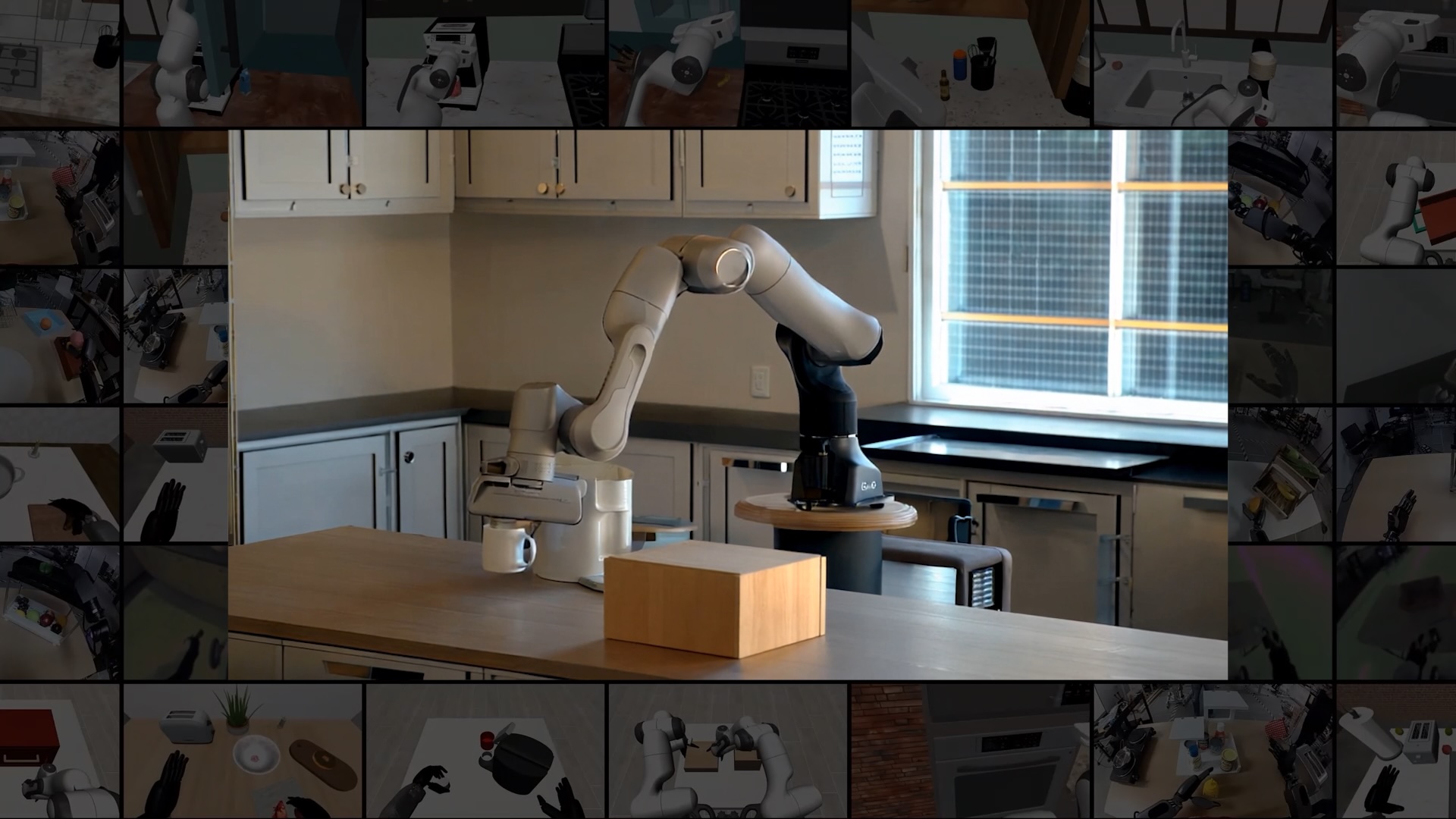
Everyone figured SIGGRAPH would be another graphics love-fest. NVIDIA just flipped the script, dropping Physical AI bombshells that could lock in robotics dominance.
Everyone figured Python 3.15 would chug along with incremental alphas, but this one's a quick fix for a botched build, slipping in profiler dreams and encoding shifts. Changes the game? Not quite—yet.
Imagine your old Commodore 64 outrunning modern expectations—thanks to DeiMOS, a superoptimizer that handcrafts perfect MOS 6502 code. This isn't nostalgia; it's a masterclass in exhaustive optimization.
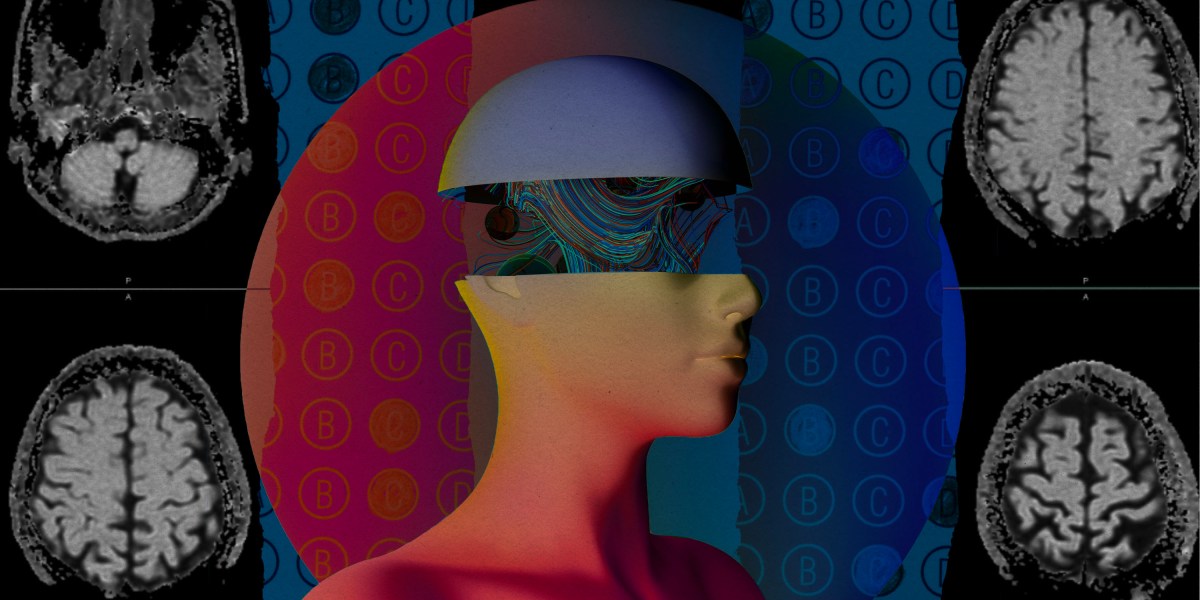
Top AI models crush benchmarks but flop in real teams. It's time for tests that match messy reality.
Python 3.14 just dropped stable, promising free-threaded execution that could finally dent the GIL's dominance. But after decades of promises, is this the threading revolution or just another incremental tweak?
Your RISC-V board hums to life — then crashes. Again. That's the story of XIP support in Linux, now facing the delete key after relentless bugs.
2723 commits from 432 contributors. PyTorch 2.11 promises distributed training breakthroughs and GPU speedups. But deprecating TorchScript? That's a gut punch for legacy code.
Python 3.14.3 just landed, making free-threaded execution official—no more GIL bottlenecks. But does this finally make Python a multithreading powerhouse, or just another opt-in gimmick?
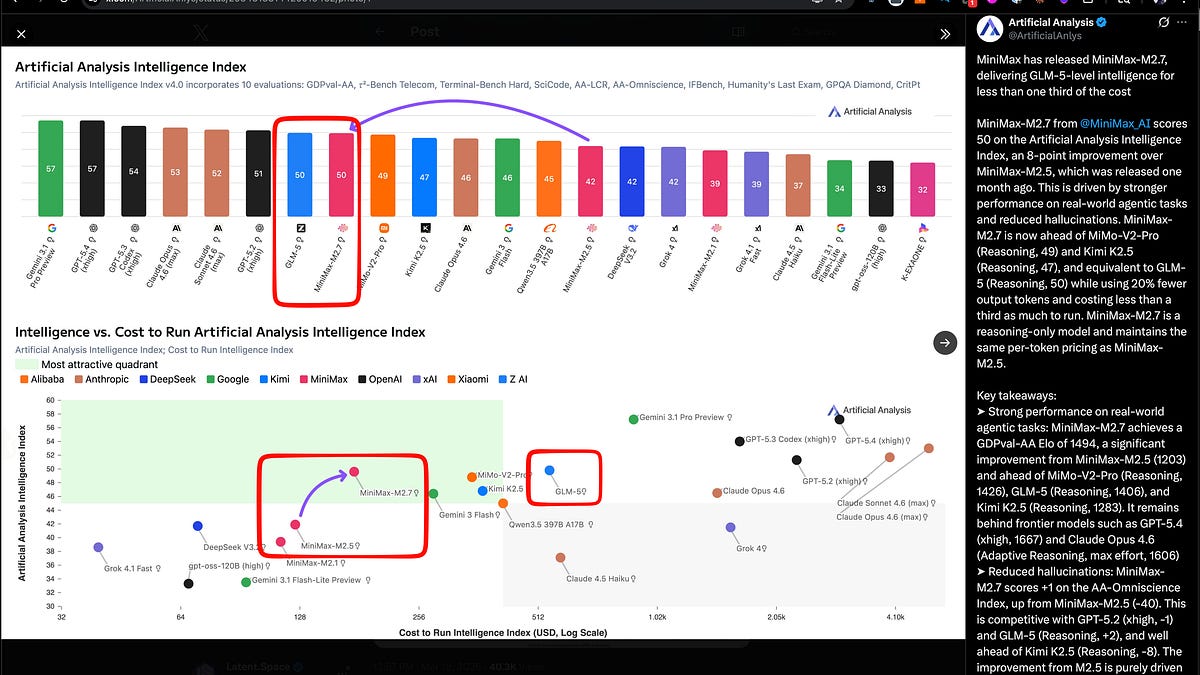
MiniMax just dropped 2.7, hitting SOTA benchmarks at a fraction of rivals' prices. But is this self-evolving miracle real, or more Valley-style smoke?
Tired of 7-Zip's dated interface or WinRAR's nag screens? PeaZip 11.0.0 just fixed that—for free. Real people win when open source skips the hype.
Hacker News addicts, rejoice — or at least, Android ones. Hacki, the fresh FOSS client, ditches web wrappers for a native, no-BS experience that's already turning heads in open source circles.
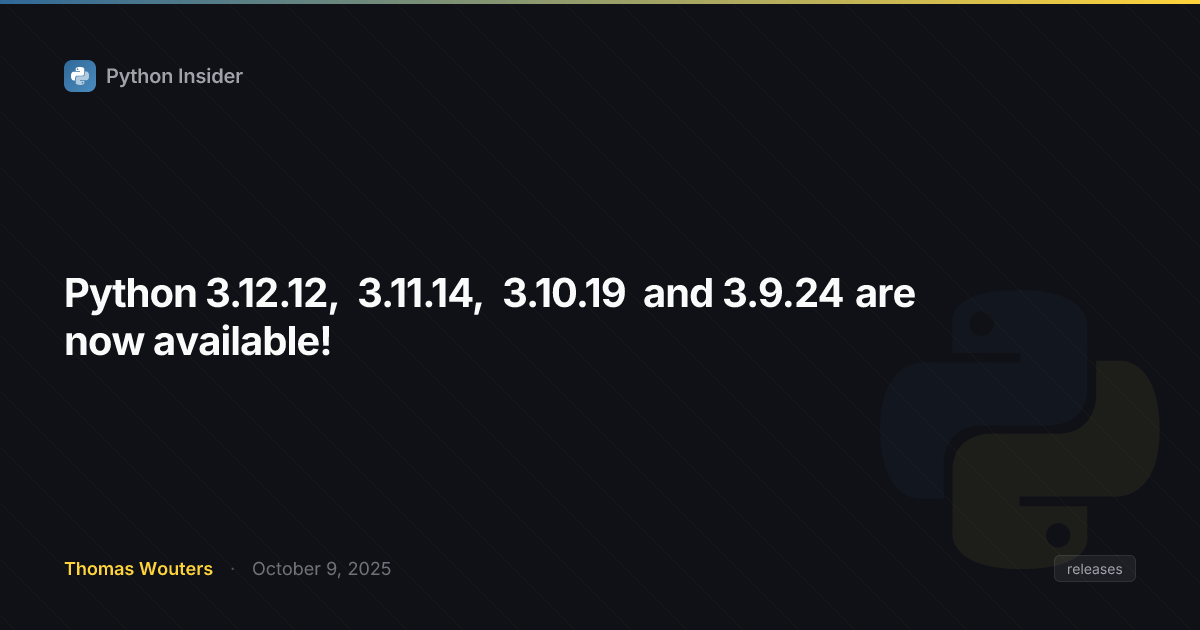
Python just dropped security fixes for versions from 3.9 to 3.12. Ignore at your peril—parsers got a sanity check.

GNOME 44 just shipped with over 50 apps in its Circle collection — a big jump from last year. But after 20 years watching Valley hype, I'm asking: does this actually move the needle for everyday users?
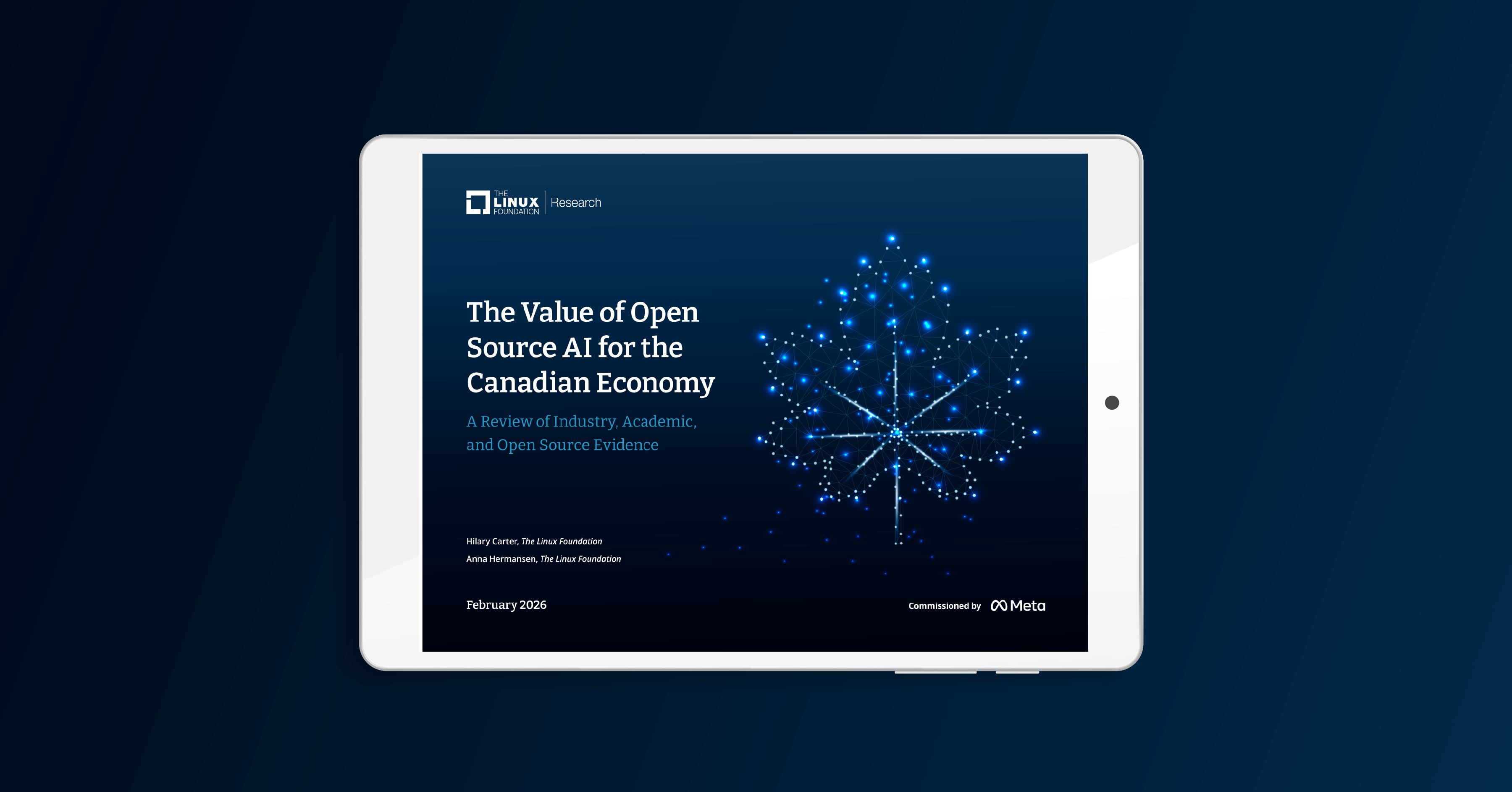
Canada's got the brains — top AI researchers worldwide — but businesses are snoozing on implementation. Open source AI might be the rocket fuel to blast us past the U.S. productivity gap.