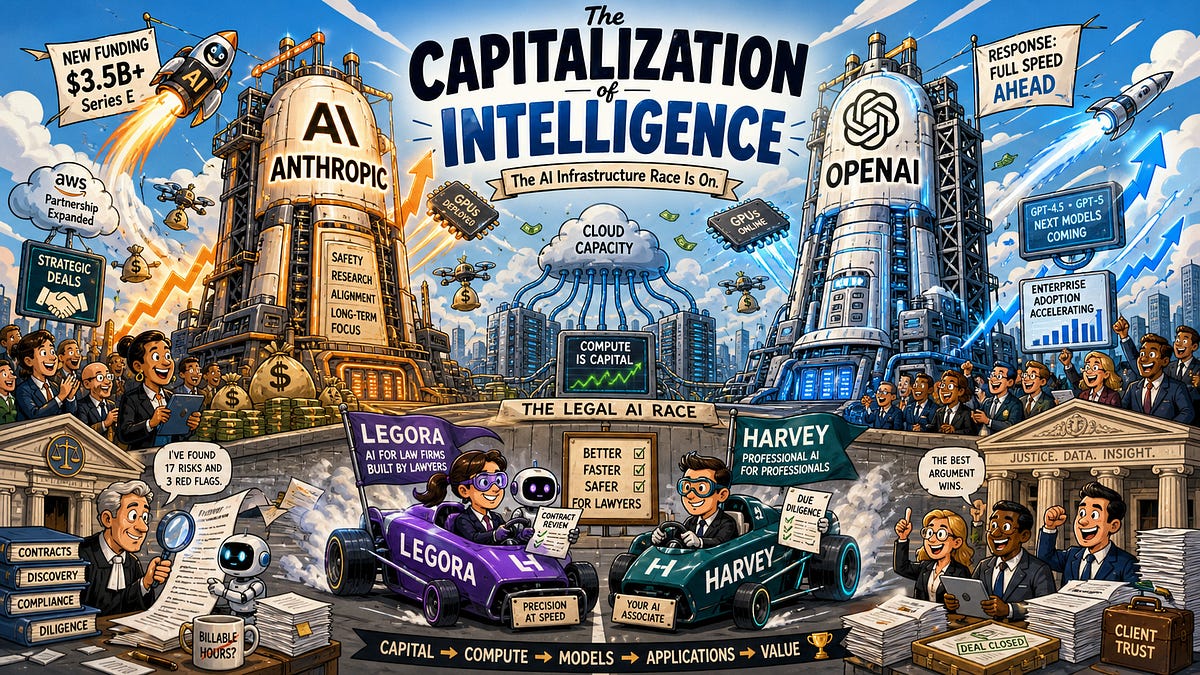
What happens when one AI lab hoists $122 billion like it’s pocket change?
OpenAI’s latest funding—$122 billion, to expand frontier AI globally, pour cash into next-generation compute, and slake the thirst for ChatGPT, Codex, and enterprise tools—lands like a meteor. We’re talking a sum that dwarfs most countries’ tech budgets. But here’s the thing: this isn’t hype for hype’s sake. It’s architecture-shifting capital, aimed straight at the bottlenecks strangling AI’s next leap.
Look, skeptics (me included) have grilled OpenAI’s roadmaps before. Remember the safety theater around GPT-4? Yet this raise screams conviction—from investors betting the farm on Sam Altman’s vision.
OpenAI raises $122 billion in new funding to expand frontier AI globally, invest in next-generation compute, and meet growing demand for ChatGPT, Codex, and enterprise AI.
That’s the raw announcement. No fluff. But peel it back, and you see the machinery whirring.
How Did OpenAI Even Score $122 Billion?
Cash like this doesn’t materialize from thin air. It’s a cocktail of Microsoft deep pockets—think their prior $13 billion stake ballooning—and a syndicate of sovereign funds, VCs, and maybe even shadowy nation-states eyeing AI supremacy.
And? Timing. Post-election vibes in the US, with Trump 2.0 whispers of deregulation, make mega-deals feasible. But dig deeper: OpenAI’s revenue’s exploding. ChatGPT alone? Enterprise subs are north of $3 billion ARR, per leaks. Codex powers GitHub Copilot, raking billions more. They’re not begging; they’re allocating war chest.
Short version: proven moat. GPT models aren’t replicable overnight. Rivals like Anthropic scrape by on $8 billion raises. OpenAI? They’re lapping the field.
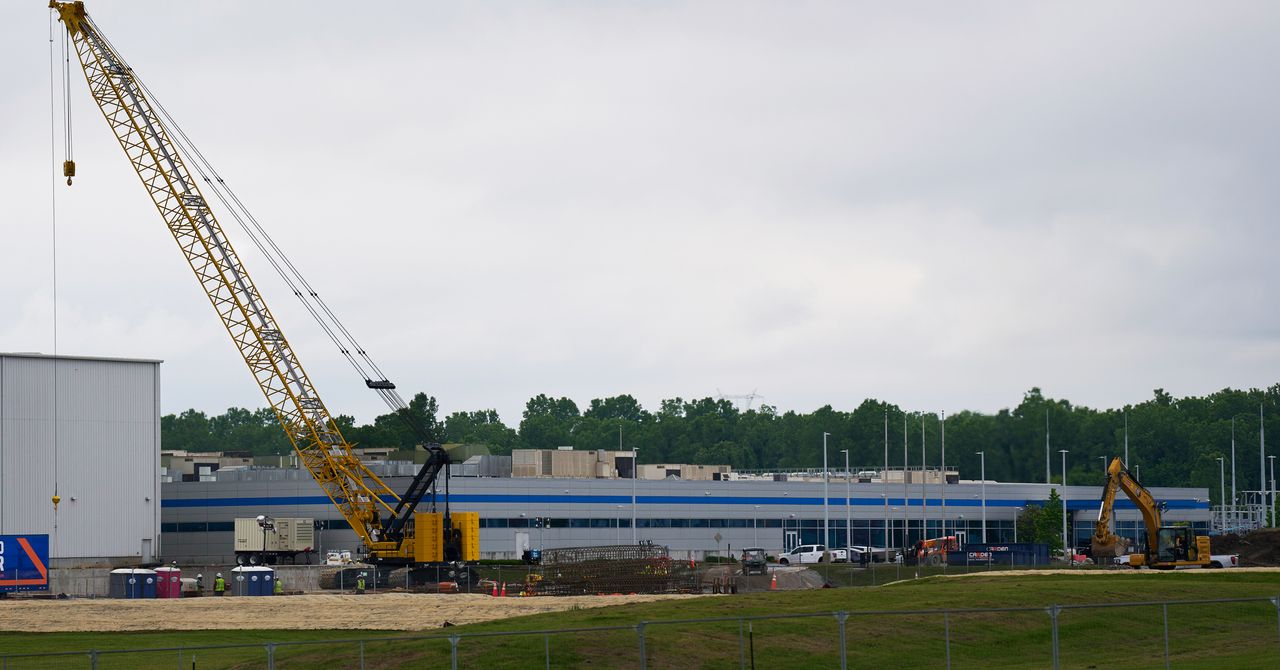
This funding’s architecture play? Compute. Exascale clusters. Think 100x today’s H100 GPU farms—custom silicon, perhaps inked with Nvidia or TSMC. Why? Training GPT-5 (or whatever’s next) demands it. Current limits: power grids buckling, chips scarcer than hen’s teeth.
Why Is Next-Gen Compute the Hidden Battleground?
Power. That’s the why. AI’s devouring electricity like a black hole—data centers alone could hit 8% of global demand by 2030. OpenAI’s betting big on nuclear tie-ups (Sam’s been cozying up to Oklo), fusion moonshots, or overseas hyperscalers.
Here’s my unique angle, one the PR doesn’t touch: this echoes the 1960s space race, but inverted. Back then, governments footed Apollo’s $280 billion (adjusted). Today? Private capital funds the stars—well, neural nets. Bold prediction: by 2027, OpenAI’s compute edge births AGI prototypes, forcing Google, Meta into desperate mergers or bust.
But wait—corporate spin alert. ‘Frontier AI globally’ sounds noble. Really? It’s about locking markets. China’s Baidu, Europe’s Mistral—they’re compute-starved. OpenAI’s global buildout? Data sovereignty plays, skirting regs while hoarding IP.
Enterprise AI demand? It’s real. Fortune 500s crave custom agents—Codex evolves into dev armies. Yet $122 billion? That’s not scaling products. That’s rewriting hardware’s rules.
Fragmented thoughts here: risks. Overbuild compute, and you’re Enron 2.0 if flops hit. Underbuild? xAI or DeepMind laps you.
Will $122 Billion Spark an AI Monopoly—or Meltdown?
Investors aren’t dummies. This valuation—implied multi-trillion cap—bets on 10x returns. How? Licensing models to banks, autos, pharma. ChatGPT Enterprise already hooks Salesforce, PwC.
Skeptical lens: energy hogs. One training run rivals a city’s yearly juice. Climate hawks incoming.
And geopolitics. US export controls on chips? This funding buys fabs abroad, maybe UAE or Saudi plays. Altman’s toured the Gulf—coincidence?
My critique: OpenAI’s PR frames it as ‘meeting demand.’ Nah. It’s preempting rivals. Unique insight—historical parallel to Standard Oil: Rockefeller crushed competition via refineries. OpenAI’s building the refineries of intelligence. Prediction: antitrust suits by 2026, unless they open-source strategically.
Developers, heads up. Codex upgrades mean auto-coding booms—your job? Evolves to architect.
Users? Cheaper, faster ChatGPT. But privacy? Enterprise pivot means more data slurps.
Wandering a bit: remember Sora’s video gen? This funds that at scale—Hollywood disruption.
The Global Ripple: Who Wins, Who Fries?
Frontier AI expansion—superclusters in Singapore, Ireland, Texas. Why there? Tax havens, green energy facades.
Dense para incoming: Investors win short-term, valuations soar; nations jockey for data centers (jobs, spies); devs get god-tools but face obsolescence; consumers? Magic boxes, till bills spike from power costs. Environment loses—unless nuclear pans out. Governments? Regs lag, as always.
Punchy: Boom or bubble?
It’s both. $122 billion accelerates—but physics fights back. Entropy in silicon form.
🧬 Related Insights
- Read more: Ulysses Sequence Parallelism: The Hack Unlocking Million-Token Training on Everyday GPUs
- Read more: Ctrl-World: Robots Dreaming Past the Hype
Frequently Asked Questions
What is OpenAI’s $122 billion funding for?
Primarily next-gen compute infrastructure, global AI expansion, and scaling ChatGPT/Codex/enterprise products to meet surging demand.
Will OpenAI’s funding lower ChatGPT prices?
Likely yes—economies of scale from massive compute investments could slash inference costs, passing savings to users.
Is OpenAI’s $122B raise the largest ever?
By far—eclipses Apple’s record rounds; signals AI as the ultimate capital sink.