Snow crunches under boots outside a Montreal café, where a coder fine-tunes an open Llama model, dreaming of farms smarter than ever.
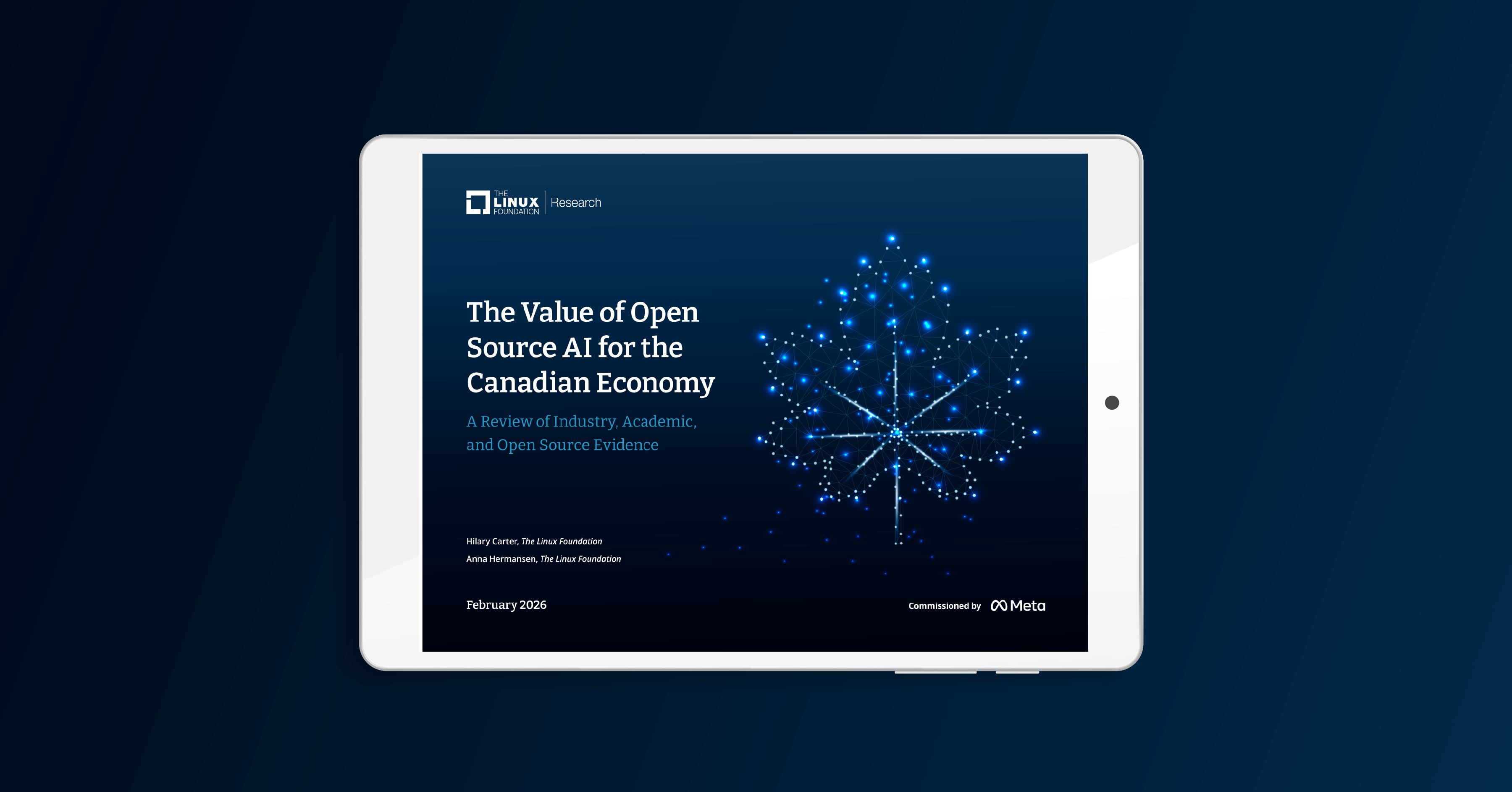
That’s the spark right now in Canada’s tech hubs. Open source AI isn’t just code — it’s the polite revolution we’ve been too nice to start. We’re pumping out 10% of the world’s top AI brains, first national strategy back in 2017, yet businesses? Crawling. Our new report nails it: $180 billion GDP jolt by 2030 if we flip the script with openness.
But here’s the thing. Canada’s like that friend who invents the party but forgets the music. Research? World-class. Venture cash? Flowing. Adoption? Meh. Only a quarter of firms are all-in on AI. Open source AI changes that — free starter kits, no vendor handcuffs.
Why Is Canada Lagging in AI Adoption?
Look, our productivity trails the U.S. by 30%. Brutal. AI could juice workers by 8% on average, but we’re stuck. Proprietary black boxes? Costly traps. Open source? It’s the egalitarian playground — tweak, share, scale without begging Big Tech.
Ryan Hanley, CEO of Taskd.ai, gets it. He told researchers:
“Using open models like Llama allows a small team to deliver enterprise-level results—faster quotes, fewer errors, and auditable data that stays with the customer.”
Boom. That’s not hype; that’s startups ditching wheel-reinvention for car-building.
And me? I see a wild parallel to the ’90s Linux boom. Back then, a scrappy penguin mascot toppled server giants. Canada could do that for AI — become the open source North Star, powering data centers with our hydro might while U.S. firms chase closed moats.
Short para: Bold prediction time.
By 2030, Toronto-Montreal axis rivals Silicon Valley, but friendlier, fueled by shared models that understand “eh?”
Can Open Source AI Turbocharge Canadian Startups?
Vancouver rain patters as founders in hoodies integrate Mila’s FLAIR — AI reviving Indigenous languages. Not fluff; sovereignty. Proprietary stuff? Trained on American biases. Open? We peek inside, fine-tune for multiculturalism — think bilingual bots that grok Tim Hortons lineups.
Startups zoom. Taskd.ai proves it. No more lab-to-market death march. Integrators glue public research to products. Calgary oil patch? AI pest scouts for wheat fields. Trading floors at RBC? Risk models minus the lock-in.
Hydro-Québec’s all-in — open frameworks for grid smarts. Energy to train monsters, openly. It’s not charity; it’s accelerator grease.
Wander a sec: Imagine proprietary AI as a leased Ferrari — shiny, but repossessed if you miss payments. Open source? Your garage-built hot rod, customized, communal.
Does Open Source AI Reflect True Canadian Values?
Eh, absolutely. Veracity app, Llama-powered, slays misinformation tailored to us. Black boxes from elsewhere? Nah. We need models that know poutine from pad thai, winters from wildfires.
Critique the spin: Governments tout strategies, but without open mandates, it’s lab fireworks fizzling. We’ve got talent, resources — plant the openness flag, or watch U.S. eat our lunch.
Sectors light up. Ag: Smart irrigation beats drought. Finance: TD, BMO sharpen edges openly. Energy: Grids that predict blackouts. It’s mosaic magic — our multiculturalism in code.
One sentence punch: Openness isn’t optional; it’s oxygen.
Dense dive now. Picture this: A prairie farmer’s drone, open AI spotting blight before it spreads, yields up 20%, exports soaring. Trader in Bay Street uses shared fraud detectors, edges honed collaboratively. Indigenous community revives Cree dialects via fine-tuned models — cultural heartbeat digitized. All open, all Canadian-flavored. No gatekeepers. That’s the shift — AI as public good, not corporate fiefdom.
My unique take? Like the British Empire’s commonwealth morphed into collaborative CANZUK vibes, open AI forges a “Polite Alliance” — Canada leading open models with allies, outflanking closed U.S./China duopoly. Prediction: We’ll host the world’s first open AI sovereign fund by 2028.
Why Does Open Source Matter for Canada’s Economy?
$180 billion. Not chump change. Closes gaps, sparks jobs, keeps sovereignty. We’re starters — now finish.
But — em-dash alert — talent drain? Fixable with open allure. Researchers stay for impact, not NDAs.
Final vibe: Exhilarating. Canada’s AI future? Open wide.
🧬 Related Insights
- Read more: From Zero to SaaS in Seven Days: What PageCalm’s Rapid Launch Reveals About AI-Assisted Development
- Read more: The Gemma 4 Zero-Shot Attack Problem: Why AI Safety Theater Fails on Day One
Frequently Asked Questions
What is open source AI and why Canada?
Open source AI means freely available models anyone can use, tweak, share — like Linux for brains. Canada’s perfect: top researchers, cheap power, multicultural data goldmine.
Will open source AI boost Canada’s GDP by $180 billion?
Reports say yes, via 8% productivity lifts, startup acceleration, sector wins — if we adopt fast.
How do Canadian companies start with open source AI?
Grab Llama or Mistral, fine-tune on local data, dodge vendor lock-in — startups like Taskd.ai show the path.
