LangChain's Agents That Patch Themselves Mid-Deploy — No Humans Needed
Picture this: You hit deploy, walk away, and AI agents swarm the logs, sniffing out bugs like digital bloodhounds. LangChain just made self-healing production a reality.

Everyone figured Ubuntu MATE would keep cruising on autopilot, LTS after LTS. Then founder Martin Wimpress drops the mic: no passion, no time, who's next?
Three days after the last update, Python's team unleashes 3.14.2 and 3.13.11 to fix nasty regressions like multiprocessing crashes. Security patches included—but why the frenzy?
Imagine hacking away on a glitchy connection in Nairobi, code half-written because the power died again. That's open source in developing countries – raw potential crushed by real-world hurdles.
Forget the sleepy Friday patch dump. This week's Linux security updates pack kernel heavy-hitters and email client fixes that scream 'update yesterday.' Open source just flexed its rapid-response muscle.
A farmer in Maharashtra stares at his phone, AI spotting fruit trees for carbon credits that could triple his income. Sounds great. But who's pocketing the real profits in India's AI-for-good boom?
Linus Torvalds eyes an on-time Linux 7.0 drop. rc7 piles on fixes — including AI agent docs that scream 'lazy devs ahead.'
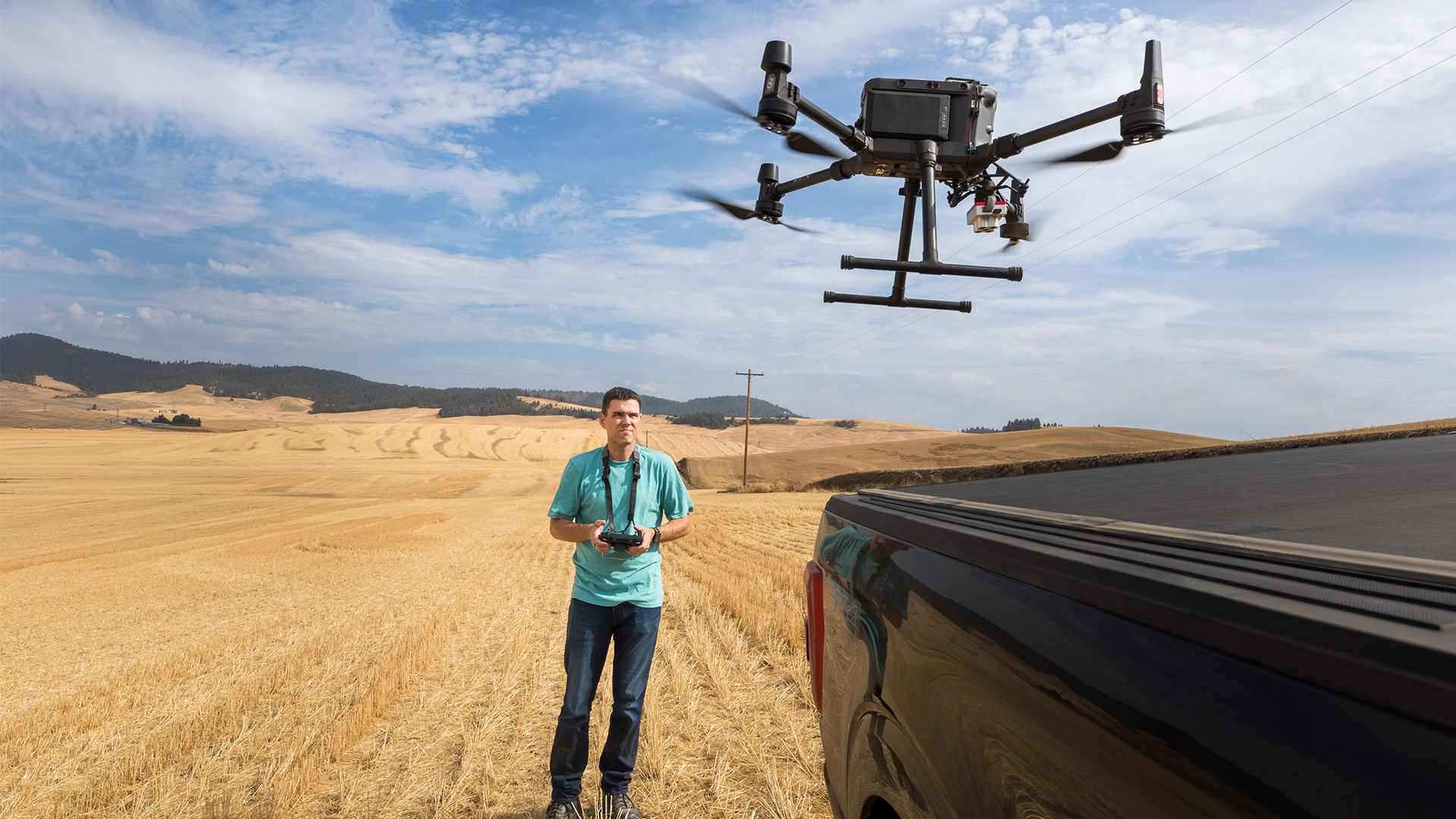
Drones hum over eastern Washington's rolling hills, feeding soil sensors' whispers into Microsoft's new open-source AI beast: FarmVibes. It's not hype—it's the blueprint for farming smarter, not harder.
Imagine AI agents that don't just pass tests—they master real-world chaos. Deep Agents shows us how evals aren't checkboxes; they're the chisel carving tomorrow's intelligence.
Picture this: firing up a video call on your beefy Ryzen AI laptop, only for the webcam to ghost you because Linux hasn't caught up yet. AMD's fixing that with ISP4 in kernel 7.2.
Forget the hype—Ubuntu 26.04 beta means tinkerers get first dibs on kernel 7.0 and shiny icons, but production rigs? Steer clear. Here's why real people should pause.
Ever wonder if those fat-cat closed models are worth the ransom? Turns out open ones like GLM-5 are nipping at their heels – cheaper, faster, and damn capable.
Forget AI copilots. OpenAI's Frontier just shipped a massive codebase — over a million lines — with not a single human keystroke. Harness engineering flips the script on software development.
Node.js just axed its biannual release frenzy for a single annual drop, every version minting as LTS. Volunteers are thrilled; skeptics wonder if it'll spark innovation or just complacency.
Kernel panics? Fixed. Linux 6.6.133 yanks a botched backport, saving devs from crashes on extended attribute ops. Here's why this tiny tweak keeps the open-source beast roaring.
Picture this: your Kubernetes cluster's traffic routing suddenly orphaned in 2026. Ingress2Gateway 1.0 swoops in like a trusty translator, turning Ingress chaos into Gateway API clarity—for devs everywhere.
Imagine scrolling a social feed filled with aliens posing as humans. That's Moltbook, where AI agents run wild—and it's our first glimpse of the agent-filled internet.
Picture this: Claude coding one module, Gemini auditing another, all in parallel without chaos. Google's Scion makes it real, open-sourcing the future of AI teamwork.
Picture this: your production cluster humming along, oblivious to the patchless void ahead. Kubernetes' top committees just pulled the plug on Ingress NGINX, hitting half of all cloud native environments.
Ever built a Kubernetes CLI and drowned in flag parsing? clientcmd — Kubernetes' own library — rescues you, mimicking kubectl without the headache. But does it deliver?