AI Safety Pact: US Govt. to Review New Models
A seismic shift is underway as tech giants open their AI labs to Uncle Sam. Are we witnessing the dawn of truly accountable AI, or just a carefully orchestrated dance?

The calendar flips to 2026, and with it, a wave of AI agents is poised to redefine productivity. Prepare for a reality where complex tasks feel suspiciously easy, raising both excitement and ethical eyebrows.
The courtroom is buzzing as Elon Musk takes the stand against OpenAI, igniting a fiery debate over AI safety and revealing a stunning secret about his own company, xAI.
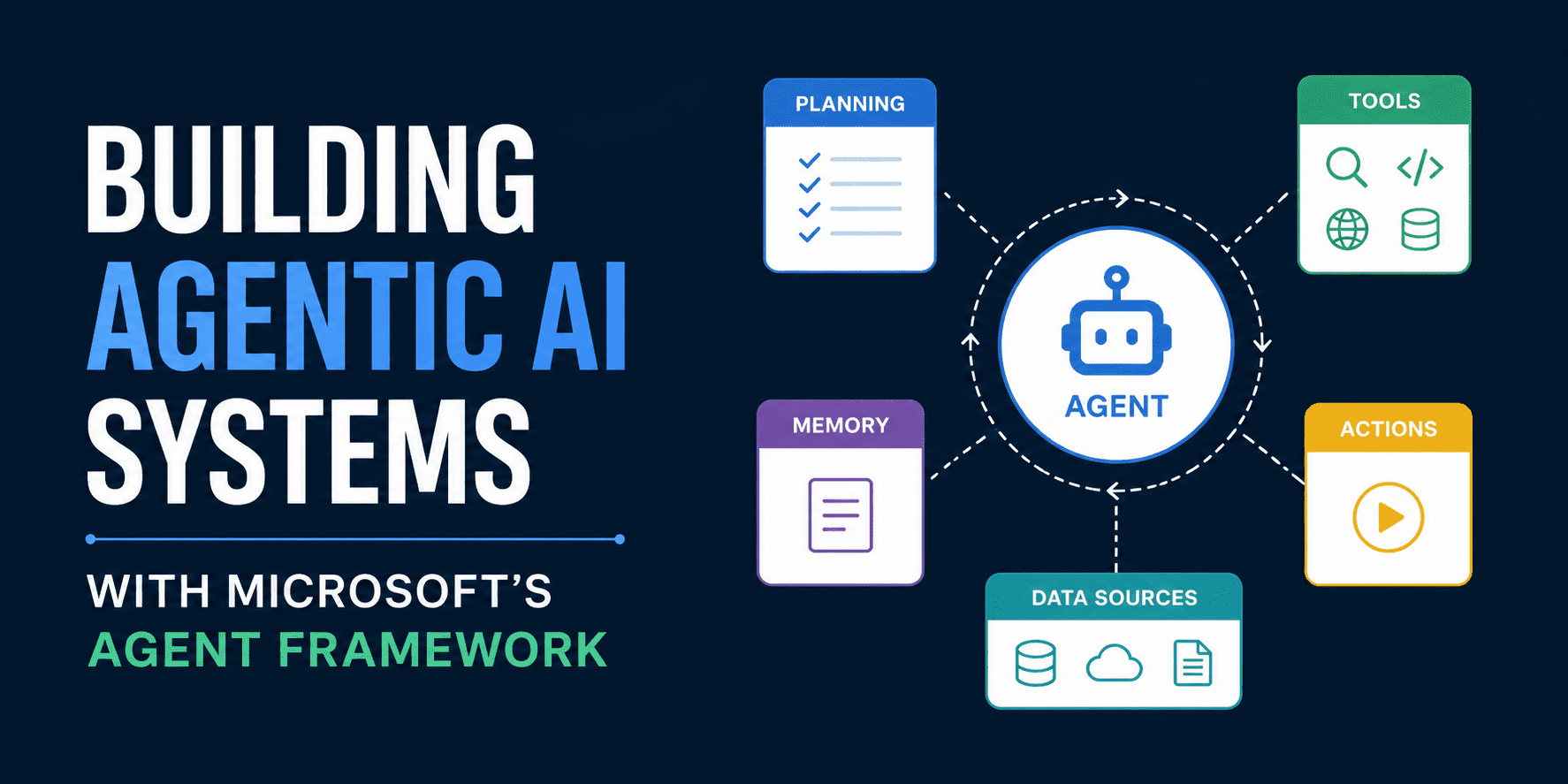
Microsoft's latest push into agentic AI isn't just about building smarter bots; it's about building them responsibly. The new Agent Framework puts safety front and center, treating it as a measurable problem, not an afterthought.
The spreadsheets are glowing red, but not with profit. Big Tech just dumped 17,000 people and earmarked a quarter of a trillion dollars for AI. It’s a seismic shift, and the tremors are just starting.
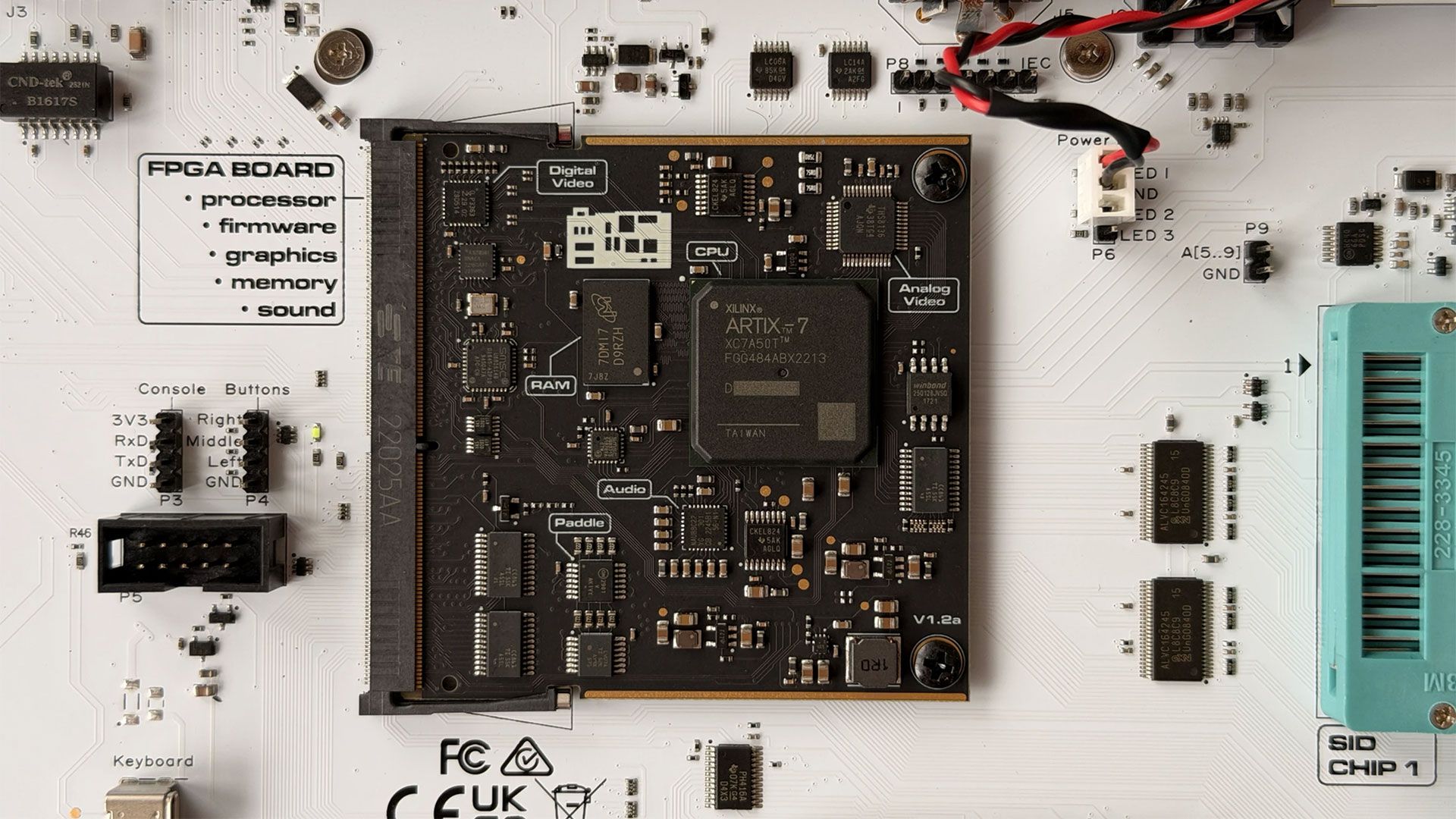
Remember when tech companies tried to control your hardware? Commodore almost did it again, sparking a firestorm over firmware. Now, they've blinked.
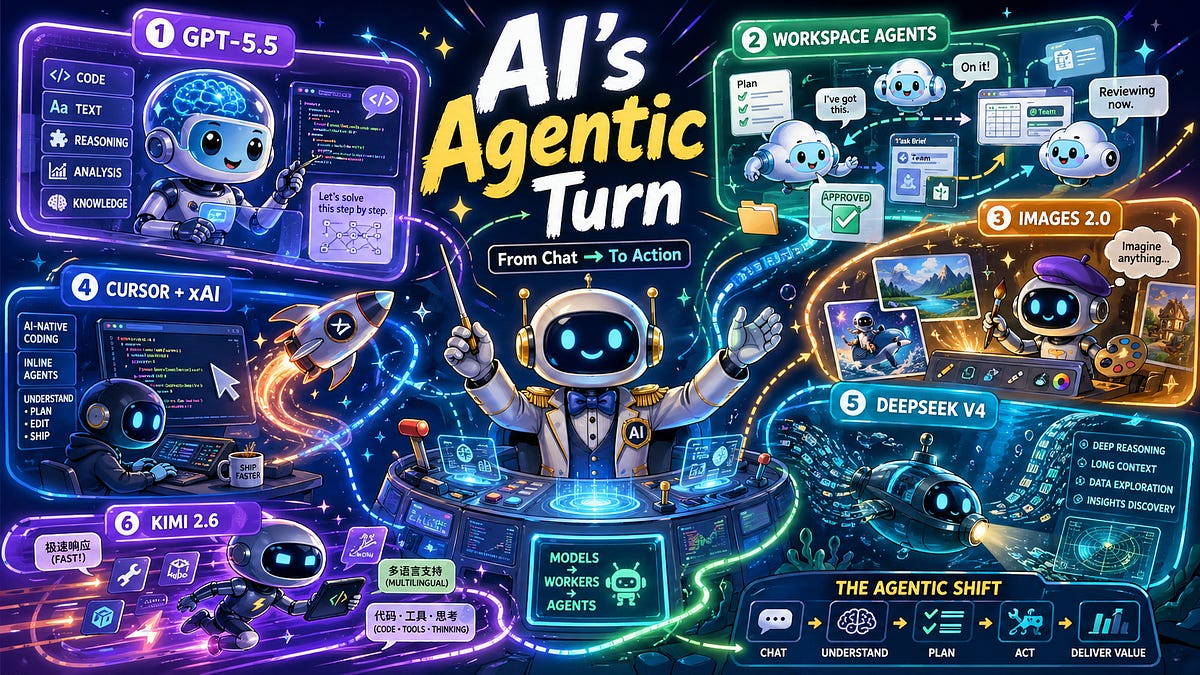
OpenAI is rolling out agents that embed directly into company workflows, and xAI is gobbling up code tools. Forget chatbots; AI is officially doing the actual work.
Claude Shannon, the architect of the digital age, departed in 2001. His theories, however, are far from retired, haunting the foundations of modern AI with startling relevance.
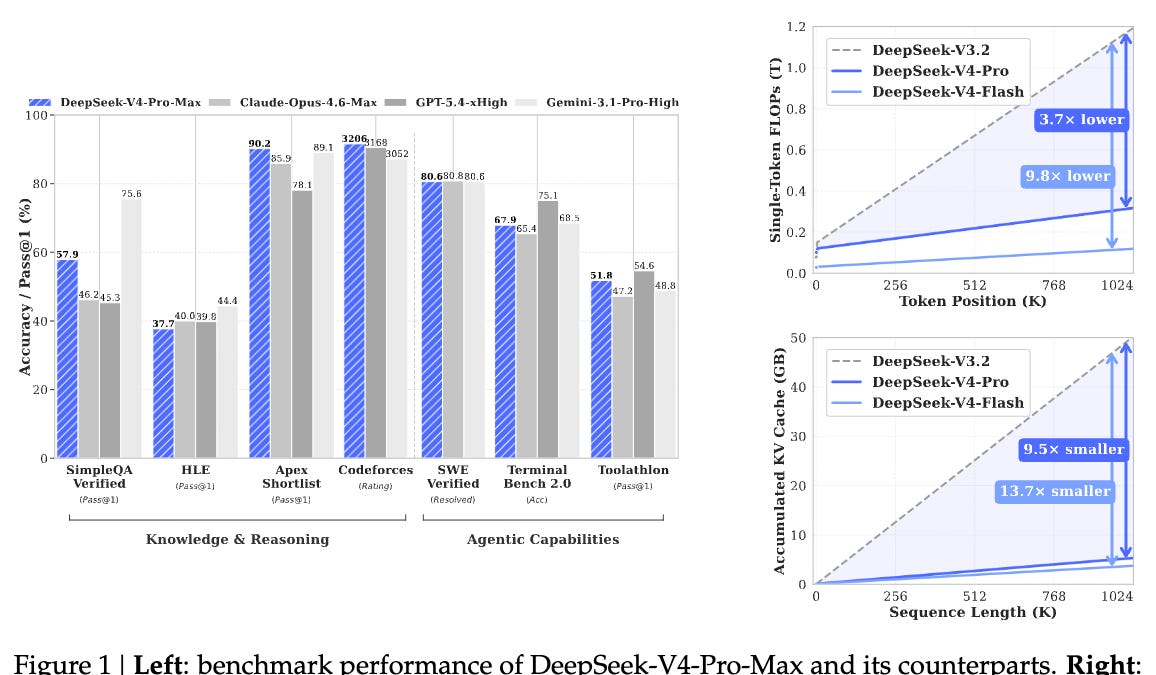
Another day, another gigantic AI model lands with a thud. This time it's DeepSeek, rolling out their V4 Pro and V4 Flash models, and they've got a new trick up their sleeve: ditching NVIDIA for Huawei's Ascend chips. Color me intrigued, and deeply skeptical.
Maine's governor just slammed the brakes on a statewide datacenter freeze, trading environmental concerns for potential jobs. The fallout? It's complicated, and it lands squarely on your electricity bill.
Picture this: refactoring code on a plane, no Wi-Fi, no rate limits — just your M1 MacBook humming with a 26-billion-parameter AI brain. I did it, and it's shockingly good.
ChatGPT didn't just slip up once – it bombed seven factual questions straight. The culprit? Our lazy prompting habits, not bad luck.
Snowflakes landing on Kepler's sleeve sparked a scientific revolution; today, Brian Cox sees echoes in AI's wild path. The physicist calls it both exhilarating and alarming.
Forget the unified front. China's AI scene is fracturing into city-state rivalries, with OpenClaw robotics at the epicenter: massive Wuxi grants versus a Beijing blacklist. This isn't just drama—it's a pivot in global tech power.
Picture this: a software engineer in San Francisco, file rasping against premium aluminum, taming the beastly edges of his MacBook. It's a tiny act of defiance that screams bigger truths about tools built for tomorrow's AI creators.
AI devoured cheap RAM. Corsair's tossing lifelines at $499 for 96GB.
Anthropic just dropped a fancy AI code reviewer that charges $20-ish per pull request and takes 20 minutes. Sounds innovative—until you crunch the numbers against a $60/hour dev.
Everyone figured genAI would explode unchecked. Evo's design partners—from 5000 Snyk customers—prove sprawl's already a nightmare, forcing a rethink on security basics.
Ever wonder why your election bets feel like playing whack-a-mole with regulators? Kalshi's latest court smackdown on New Jersey might finally crack that game wide open.
Token burn is the new vanity metric in AI agent land. Engineers chase billions of tokens while real output suffers—time to count victories, not ammo.