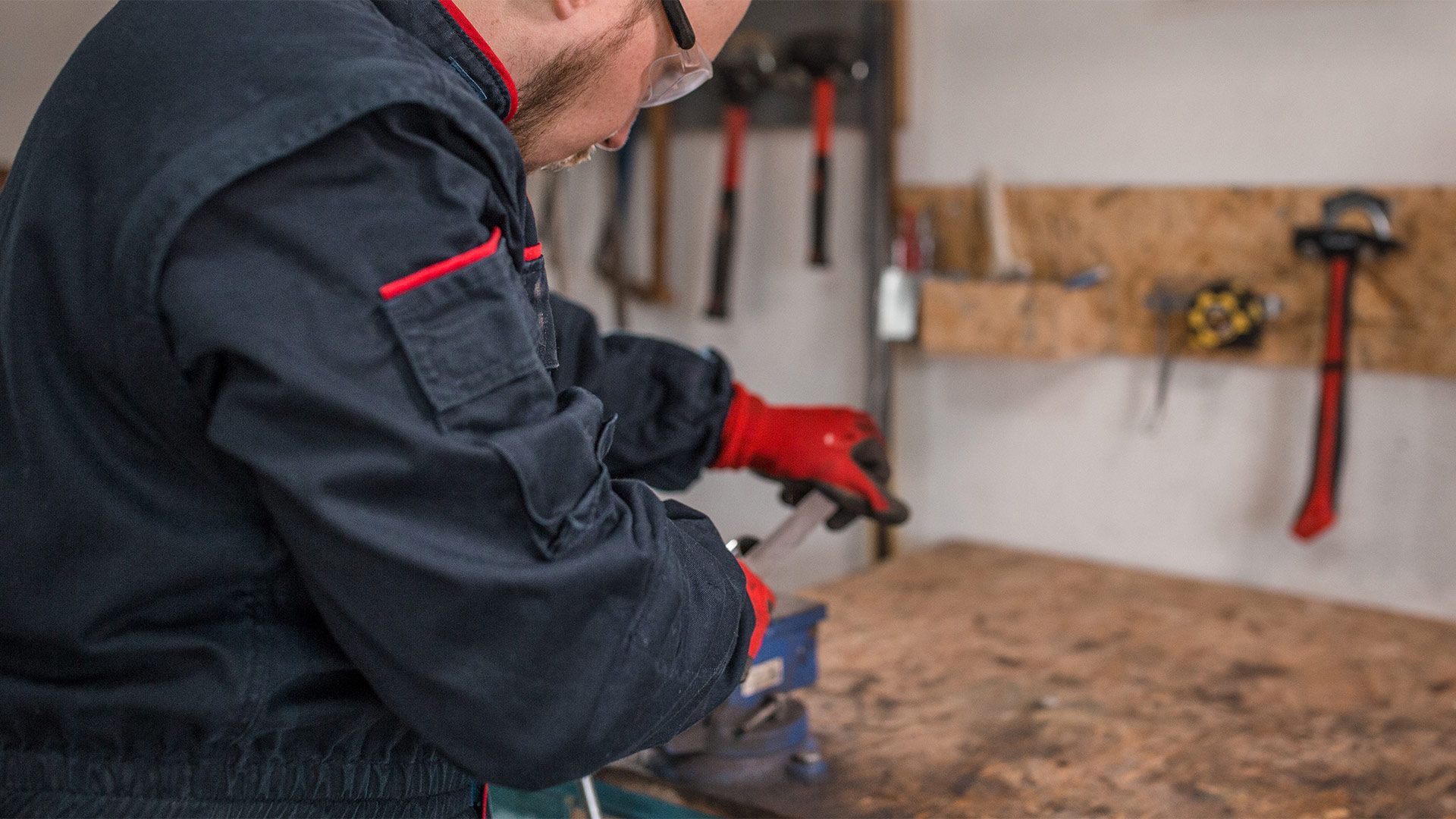
Kent Walters hunches over his workbench, the metallic screech of file on aluminum filling his San Francisco apartment — one stroke at a time, he’s rounding off the viciously sharp bottom edge of his MacBook.
Sharp. That’s the word. Apple’s unibody design — that smoothly slab of machined aluminum — lets engineers push geometry to extremes, like a chef wielding a razor-honed cleaver. But for Walters, a software designer grinding through long coding sessions (hello, AI model training marathons), it’s a literal pain in the wrists. He filed it off. Just like that.
People freak out, he says. (They do — scroll X, and you’ll find the pearl-clutchers.) But here’s the thing: in an era where AI demands we glue ourselves to these machines for hours, tweaking your tool isn’t vandalism. It’s evolution. Think blacksmiths hammering custom grips onto swords before battle — Walters is doing the same for his digital forge.
Why Do MacBooks Have Such Brutal Edges?
Apple’s industrial wizards love that unibody. It screams premium — thin, light, unyieldingly rigid. “The bottom edge of the MacBook is very sharp. Indeed, the industrial designers at Apple chose an aluminum unibody partly for the fact that it can handle such a geometry,” Walters writes on his blog.
That geometry? A deep roundover potential hiding beneath the perilously crisp lines. He dove in deep — images show a surprisingly aggressive bevel, especially under the touchpad, where palms live during furious typing. Worried he’d file straight through? Nope. The unibody held.
But why suffer? I’ve felt it — that insistent dig during late-night prompts to Grok or Midjourney. It’s not just discomfort; it’s a distraction from the flow state AI work craves.
How to File Your MacBook Edges Without Disaster
Inspired? Tape first. Speakers, keyboard — mask ‘em tight. Aluminum dust is no joke; it’ll sneak into crevices like confetti at a bad party.
Clamp the laptop down. Rigid surface. Precision matters when you’re modding a $2,000 machine.
Walters started rough — whatever file was handy — then sanded: 150 grit, 400 grit. Months later, battle scars appeared: scratches, dings. Real life.
It’s not for the resale obsessives. If you’re flipping for max bucks, walk away. But for keepers? This turns a corporate artifact into your artifact.
Look, Apple’s no dummy. M-series chips make MacBooks AI powerhouses — neural engines humming through Stable Diffusion or local LLMs. Yet they shipped with edges that fight the user. Walters fixed it. You can too.
Is Filing Your MacBook the Start of Hardware Freedom?
Here’s my bold call — one Apple’s PR won’t love: the unibody era ends with AI. Software’s gone modular — plugins, forks, custom LLMs. Hardware lags, but rebels like Walters point the way.
Remember ThinkPads? User-replaceable everything. Screws galore. Framework laptops now echo that. Prediction: by 2027, AI hardware hits “post-unibody” — snap-on palm rests, swappable edges, 3D-printable grips tuned for your workflow. Because when you’re fine-tuning models till 3 a.m., perfection isn’t a 1mm edge. It’s comfort that lasts.
Apple spins unibody as art. Fair. But art that blisters? That’s hubris. Walters calls BS — politely, with a file.
We’ve modded cars, guitars, knives for eons. Laptops? Same spirit. Right-to-repair laws creep in (EU’s pushing), and this DIY wave? It’s the user saying, “My machine, my rules.”
Risks? Sure. Void warranty. Ugly if botched. But the payoff — wrists happy, focus laser-sharp for that next breakthrough prompt.
And the community? Tom’s Hardware crowd cheers. Modders unite.
What Happens When AI Creators Demand Better?
AI’s the platform shift — bigger than mobile. Billions training personal agents, running sims on laptops. Tools must adapt. Or users will.
Walters didn’t stop at filing. He’s customizing for the long haul. Imagine fleets of MacBooks, each scarred uniquely by their owners’ quests — edge rounds for typists, vents widened for thermals during GPU farms.
Corporate hype calls it “optimized.” Nah. Optimized for the store shelf. Real optimization? Happens in your hands.
🧬 Related Insights
- Read more: 850,000 Welsh Speakers Get an AI Brain – But Does It Speak Their Language?
- Read more: GPT-5.4 Grabs the Mouse: Agents Rewrite Desktop Work
Frequently Asked Questions
Why are MacBook edges so sharp?
Apple’s unibody aluminum allows extreme thinness and rigidity, prioritizing aesthetics over palm-rest comfort during extended use.
Can I safely file the edges off my MacBook?
Yes, with care: tape off openings, clamp securely, file rough then sand progressively — but expect warranty loss and cosmetic wear.
Does filing MacBook edges void the warranty?
Likely yes, as it’s physical modification; Apple may refuse service on unrelated issues too.