What if the laptop on your desk tomorrow isn’t yours to tweak, upgrade, or even repair – because the chips that power it are all locked away in some distant data center?
Nirav Patel, the founder of Framework, just dropped that bomb in his blog announcing the company’s Next Gen Event 2026. He’s been fighting the good fight for repairable, upgradable laptops in a world of glued-shut MacBooks and non-upgradeable Dells. But now? He’s saying personal computing as we know it is dead. Yeah, you read that right – those exact words from a guy who’s built his business on making computers you actually own.
“There is a very real scenario in which personal computing as we know it is dead.”
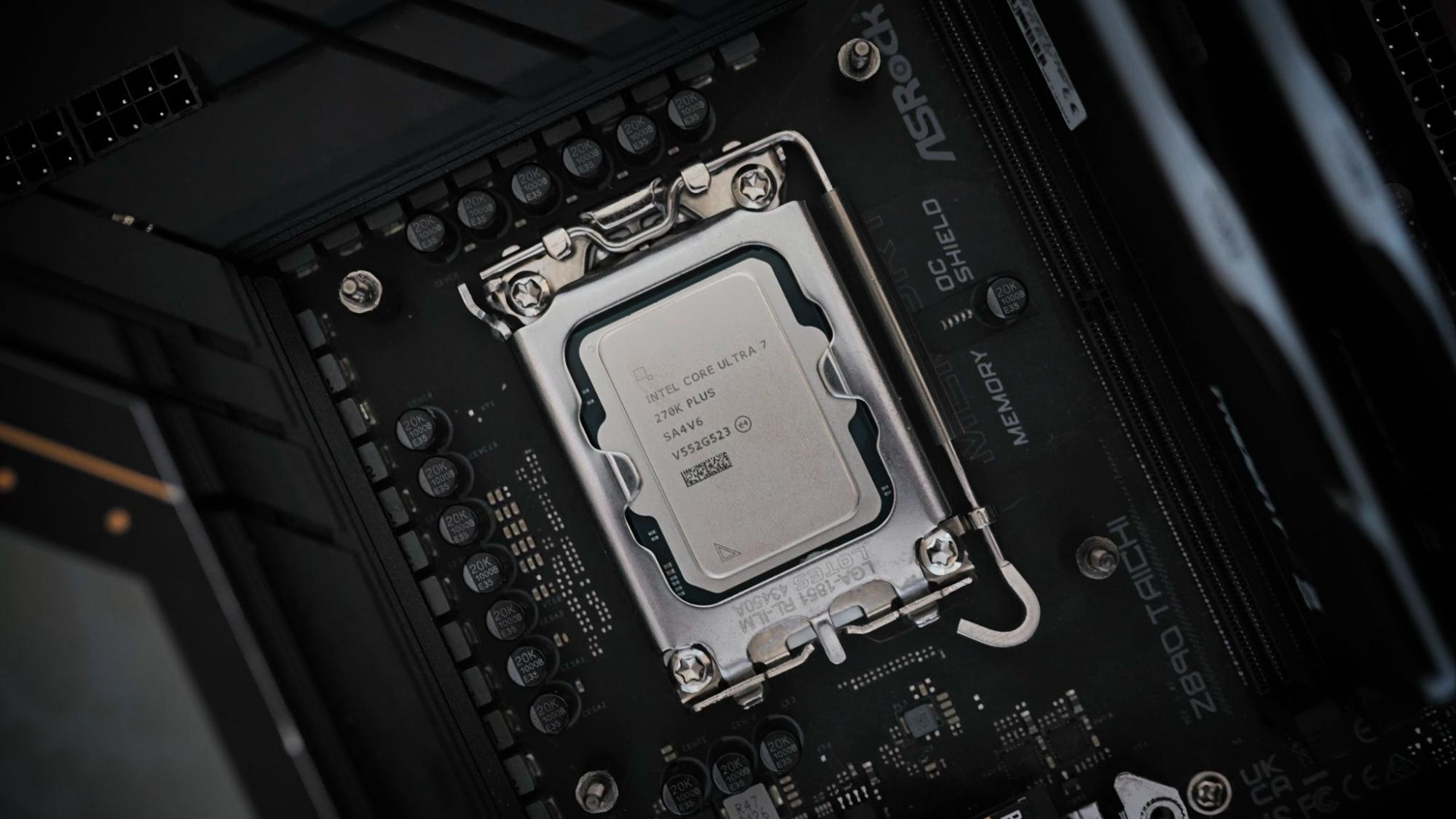
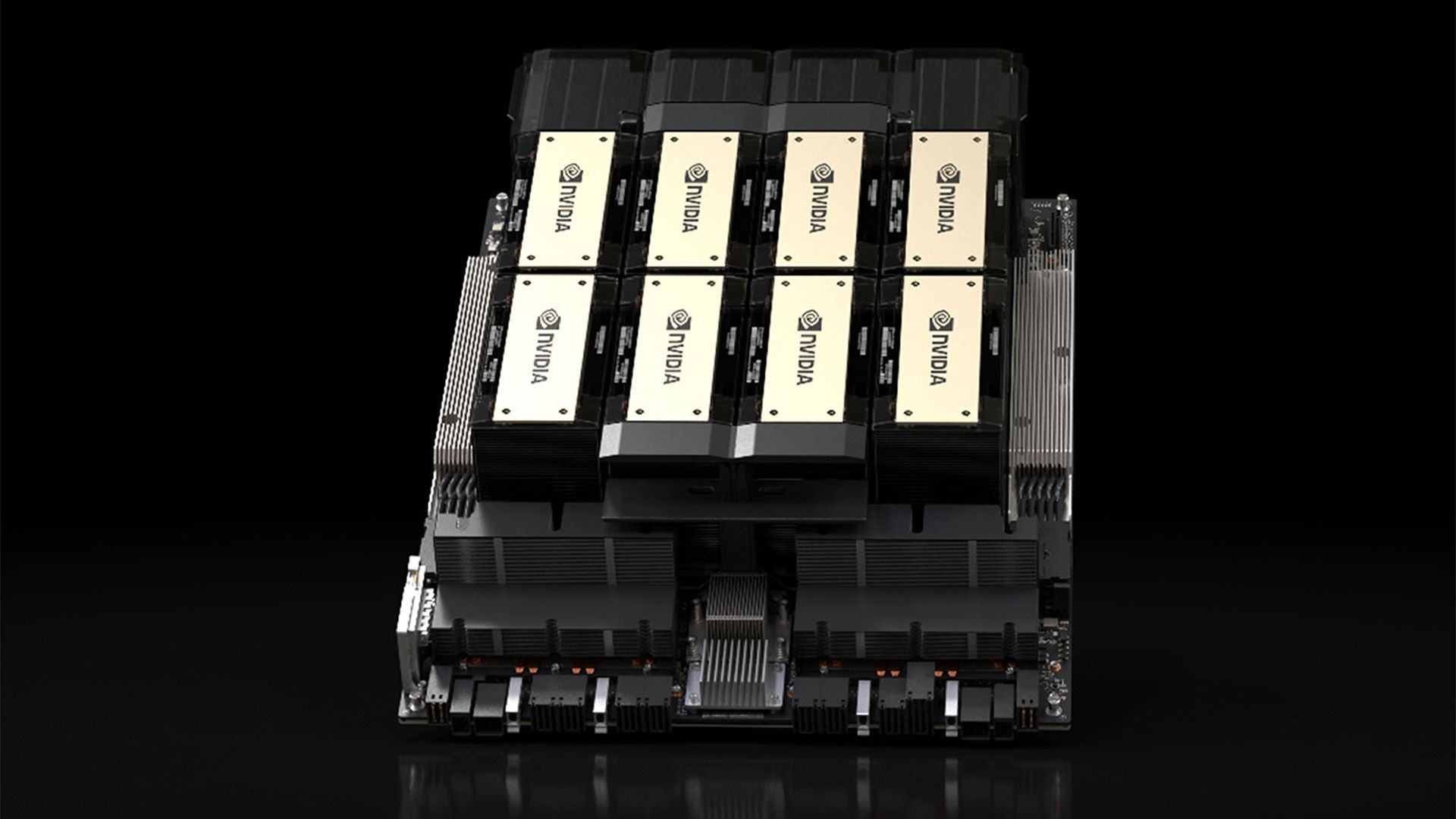
Patel’s not just whining. AI’s insatiable hunger for GPUs, memory, storage, and now even CPUs has turned the hardware supply chain into a battlefield. Remember the GPU crunch from 2023-2025? That was just the appetizer. Late 2025 brought memory and NAND shortages – prices skyrocketed. Now CPUs are next, as hyperscalers snap up server silicon to train their agent armies. And don’t get me started on the power grid groaning under data center loads; we’re talking new plants, upgraded lines, electricity bills that’d make your eyes water.
Why Is AI Eating All the Chips – And Your Next PC?
Here’s the cynical truth I’ve seen too many times in 20 years covering this valley snake pit: follow the money. AI giants – Nvidia’s yellow empire, Microsoft’s Azure behemoth, Google’s TPU farms – they’re swimming in billions. Venture cash flows like cheap beer at a startup party. Consumers? We’re ants at a picnic. When chips get scarce, who wins? The cloud, every damn time.
Patel nails it:
“It’s clear that the fundamentals of computing and electronics have changed. The computer in the cloud has increasingly greater economic output than the computer in the hand. This means that to the extent that there are constraints on the supply that feeds both, the cloud will win every time.”
Spot on. It’s the winner-takes-all race Patel decries. Cloud computes at scales we can’t touch – training models that spit out economic value hand over fist. Your gaming rig or dev laptop? Cute, but marginal. The industry’s pivot: own nothing, rent everything. Computers aren’t Steve Jobs’ “bicycle for the mind” anymore. They’re self-driving cars to approved destinations, algorithms curating your reality.
And yeah, Patel’s manifesto vibes with that. Framework vows to build for anyone who still craves owning their silicon soul. Noble? Sure. Quixotic? Maybe. But let’s not kid ourselves – they’re a niche player in a sold-out arena.
I’ve covered hardware wars since the Pentium days. This feels eerily like the 1970s mainframe squeeze. Back then, IBM’s behemoths dominated; minicomputers from DEC clawed for scraps. PCs exploded because costs plummeted and standards opened the floodgates. Today? AI’s mainframes are data centers, and there’s no Moore’s Law cavalry charging in – at least not fast enough. My bold call: personal computing won’t die outright, but it’ll shrink to a premium hobby, like mechanical watches in a smartwatch world. Vinyl records thrived amid streaming; tinkerers will pay up for modular rigs. Framework’s betting on that tribe.
Can Framework’s Modular Madness Actually Beat the Cloud Lords?
Framework’s been the rebel yell against sealed tombs masquerading as laptops. Their machines let you swap RAM, SSDs, GPUs, motherboards – hell, even the damn display. Latest star: Framework Laptop 16 with RTX 5070. Dell tried GPU upgrades with the Area-51m (remember that flop?); Framework made it real. Amid soaring RAM/SSD prices, they’re dropping monthly shortage updates to their community – transparency you won’t see from the big boys.
But is it enough? Patel’s fighting for a future where you’re not a serf streaming from someone else’s server farm. “As long as there’s a person who wants to own their means of computation, we’ll build it,” they say. Admirable grit. Yet, with TSMC fabs churning for AI first, how long before even Framework’s supply dries up? They’re vocal, shipping updates, rallying hackers. It’s David vs. Goliaths – entertaining, but odds are long.
Look, I’ve seen PR spin turn to dust. Remember blockchain’s “decentralized future”? Now it’s enterprise ledgers. AI hype promises liberation but delivers dependency. Patel’s right to call BS – industry’s peddling happiness in subscription serfdom. Who’s really profiting? Chipmakers, cloud barons, VCs. You? Hope your current rig lasts.
My unique twist: this isn’t just shortages; it’s a deliberate shift. Big Tech lobbies for export controls on chips (hello, US-China tensions), hoards capacity. Personal computing becomes a luxury good, widening the have/have-not gap. Prediction: by 2030, 80% of compute happens in clouds we don’t own. Edge devices? Dumb terminals with AI smarts phoned home.
Framework’s event in 2026? I’ll be watching. If they pull off cheaper modular parts or alternative supply chains (RISC-V alliances?), they might carve a survival niche. Otherwise, it’s cloud or bust.
Short version: AI’s feast is our famine. Own what you can, while you can.
🧬 Related Insights
- Read more: Google’s Intel Bet: Doubling Down on CPUs as AI Infrastructure Heats Up
- Read more: PostTrainBench: When LLMs Train LLMs, Cheating Ensues
Frequently Asked Questions
What does Framework founder mean by personal computing is dead?
Nirav Patel warns AI data centers are hogging chips, making affordable, ownable PCs scarce – pushing us toward cloud rentals.
Will AI shortages make laptops impossible to buy?
Prices are spiking now; CPUs next. Expect delays, hikes – unless you’re cool with cloud-only life.
Can Framework laptops beat the AI chip crunch?
They’re modular, community-focused, but as a small player, they’re swimming upstream against giants.