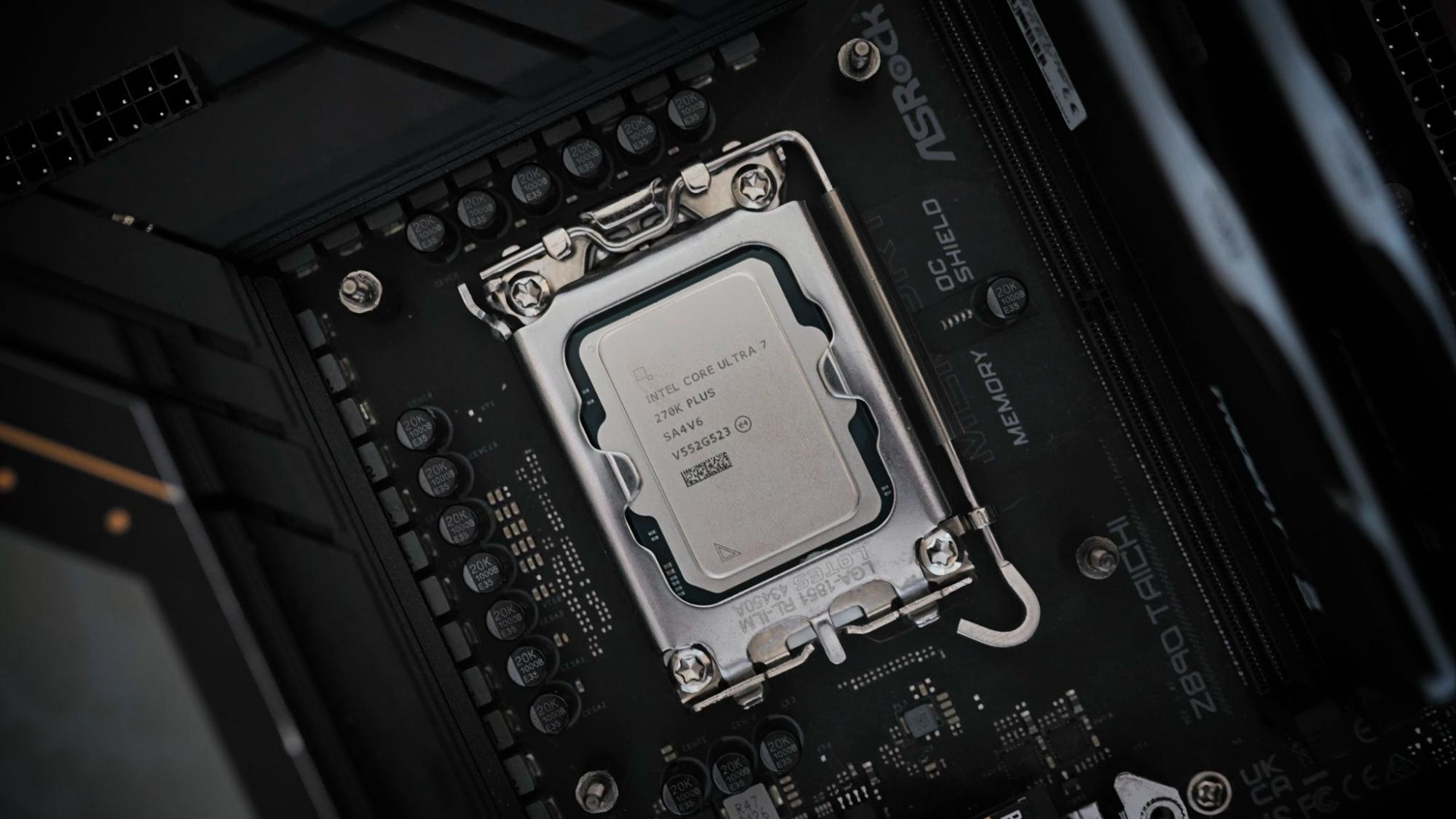
Remember when we were all buzzing about Intel’s hybrid architecture? The one that throws a bunch of speedy little cores (P-cores) and a swarm of energy-sipping helpers (E-cores) into the same chip, back in 2021? We expected this elegant dance of silicon to just work, intuitively assigning tasks to the right core. It felt like the future, right? Like handing a symphony conductor a whole new orchestra with different instrument sections, expecting a masterpiece.
Well, here’s the thing. Intel’s VP, Robert Hallock, just dropped a bombshell that flips the script. Forget chasing raw clock speeds for a moment. He’s arguing that a colossal chunk of potential performance – up to 30% – is being left on the table, not because our CPUs are weak, but because our games and software are simply not talking to them properly.
The Great Core Misunderstanding
For a while now, some gamers have been ditching the E-cores entirely, thinking it’s a shortcut to higher frame rates. And, honestly, they weren’t entirely wrong. Early on, the software orchestrating these hybrid CPUs, specifically Intel’s Thread Director, was a bit… naive. It needed some serious hand-holding, and without it, things could get messy. Imagine a tour guide who points you vaguely towards a landmark instead of giving you precise directions. You might get there, but it’s inefficient.
Hallock’s point is that this isn’t about the E-cores being fundamentally incapable. “They are virtually identical in performance… it’s about 1% difference,” he stated. The issue was, and often still is, getting the software to understand when and how to use them. When the E-cores were enabled, and if the interconnect between cores (the ring bus) wasn’t up to speed, it could drag down the P-cores. Think of it like a super-fast car stuck behind a slow truck on a narrow road – the truck is limiting the whole convoy.
Intel’s been ironing out these kinks, decoupling core clusters in newer generations. But the core message remains: the silicon is largely ready. The bottleneck, he argues, is intellectual – it’s in the code.
Software: The Final Frontier?
This is where things get truly exciting, and frankly, a little mind-bending. Hallock is convinced that the PC gaming world, and especially enthusiasts, are severely underestimating how much software optimization matters. We’ve been so focused on the hardware race, the megahertz, the gigabytes, that we’ve treated software as a mere passenger. But Hallock sees it as the pilot.
He’s talking about a future where the same CPU, the same set of cores, can deliver vastly different experiences purely based on how well its instructions are tuned. Intel’s new binary optimization features, even if they’re still a bit niche and flagged by benchmarks like Geekbench, are a peek behind the curtain. They’re proof that by massaging the code – from the game itself all the way down to the drivers and even the BIOS – you can squeeze more life out of your existing hardware.
“Yes, you can make the game faster with a faster piece of hardware, but there’s always going to be 10, 20, 30% performance hidden behind the fact that that game was just not optimized for your CPU.”
That’s the headline, isn’t it? Up to 30% performance. It’s not just a number; it’s a revolution waiting to happen. It’s like discovering a secret turbo button you never knew existed, simply by cleaning up your attic.
Beyond the Chip: A New Arms Race
Other players are obviously exploring their own paths. AMD’s approach has been more brute-force, stuffing massive amounts of fast cache (3D V-cache) right next to their cores. It’s a brilliant hardware solution that directly tackles memory latency, a common culprit in gaming stutters. Intel’s own bLLC (Big Last Level Cache) in Nova Lake echoes this hardware-centric thinking.
But Hallock’s perspective is a refreshing counterpoint. It’s a call to arms for developers, for engineers, and for us as consumers. Are we going to keep churning out slightly faster chips while leaving performance on the table, or are we going to dive deep into the software ecosystem and unlock the true potential of the hardware we already have? This isn’t just about Intel; it’s about the fundamental nature of computing.
It’s a paradigm shift, akin to when operating systems moved from batch processing to interactive user interfaces. We thought we were reaching the limits of what a computer could do for us, and then a software innovation changed everything. This feels like that moment for raw processing power. The silicon’s hit a plateau, and the next Everest is in the lines of code.
Why Does This Matter for Gamers?
If Intel’s VP is right, and this isn’t just corporate spin, it means your current CPU might be a sleeping giant. It also implies that software updates for your favorite games could, in the future, provide more of a performance boost than buying a whole new graphics card. It forces us to think differently about what “performance” means. It’s not just about the number on the box; it’s about how intelligently that box is being used.
This focus on software optimization isn’t just an Intel thing; it’s a future-proofing strategy for the entire industry. As we push the boundaries of complexity in AI, simulation, and graphics, the efficiency of our code becomes paramount. We can’t keep scaling up hardware indefinitely. Eventually, we have to get smarter about how we use what we’ve got.
What About Developers?
For game developers and software engineers, this is both a challenge and an opportunity. They’re being called upon to revisit and refine their code, to understand the nuances of modern architectures like Intel’s hybrid design. The reward? Potentially delighting their player base with smoother, faster gameplay on existing hardware, which is a huge win in terms of market accessibility and customer satisfaction.
It’s also a signal that the era of “just make it work” on any hardware is evolving. Developers will need to be more attuned to specific architectural advantages. This could lead to more specialized optimizations, perhaps even games that dynamically adjust their code based on the CPU they detect, much like graphics settings. This is the bleeding edge, and it’s going to be fascinating to watch.
🧬 Related Insights
- Read more: Doug Burger’s Warning: AI’s Acceleration Curve Has No Brakes
- Read more: MiMo-V2-Pro’s Stealth Ambush on AI Leaderboards
Frequently Asked Questions
What does Intel’s hybrid CPU architecture do?
Intel’s hybrid CPU architecture combines high-performance cores (P-cores) for demanding tasks with efficient cores (E-cores) for background processes and less intensive work. This aims to balance power and energy consumption.
Will this mean my games will run faster automatically?
Not necessarily. The performance gain relies heavily on software and game developers optimizing their applications to correctly utilize both P-cores and E-cores. Updates to games and operating systems are key.
Is Intel saying hardware is no longer important for gaming performance?
No, hardware is still critical. However, Intel’s VP is emphasizing that at the current stage, software optimization has become a significant, often overlooked, factor in unlocking the full potential of existing hardware, potentially offering gains that were previously only achievable with new hardware.