Your startup in Beijing hits a wall — no access to the world’s best AI brains because Uncle Sam says no. But what if those forbidden Nvidia GPUs suddenly appear, hidden in plain sight inside shiny new servers? That’s the electrifying reality for Chinese developers right now, as a key Nvidia cloud partner dodges U.S. export bans to procure $92 million worth of powerhouse hardware.
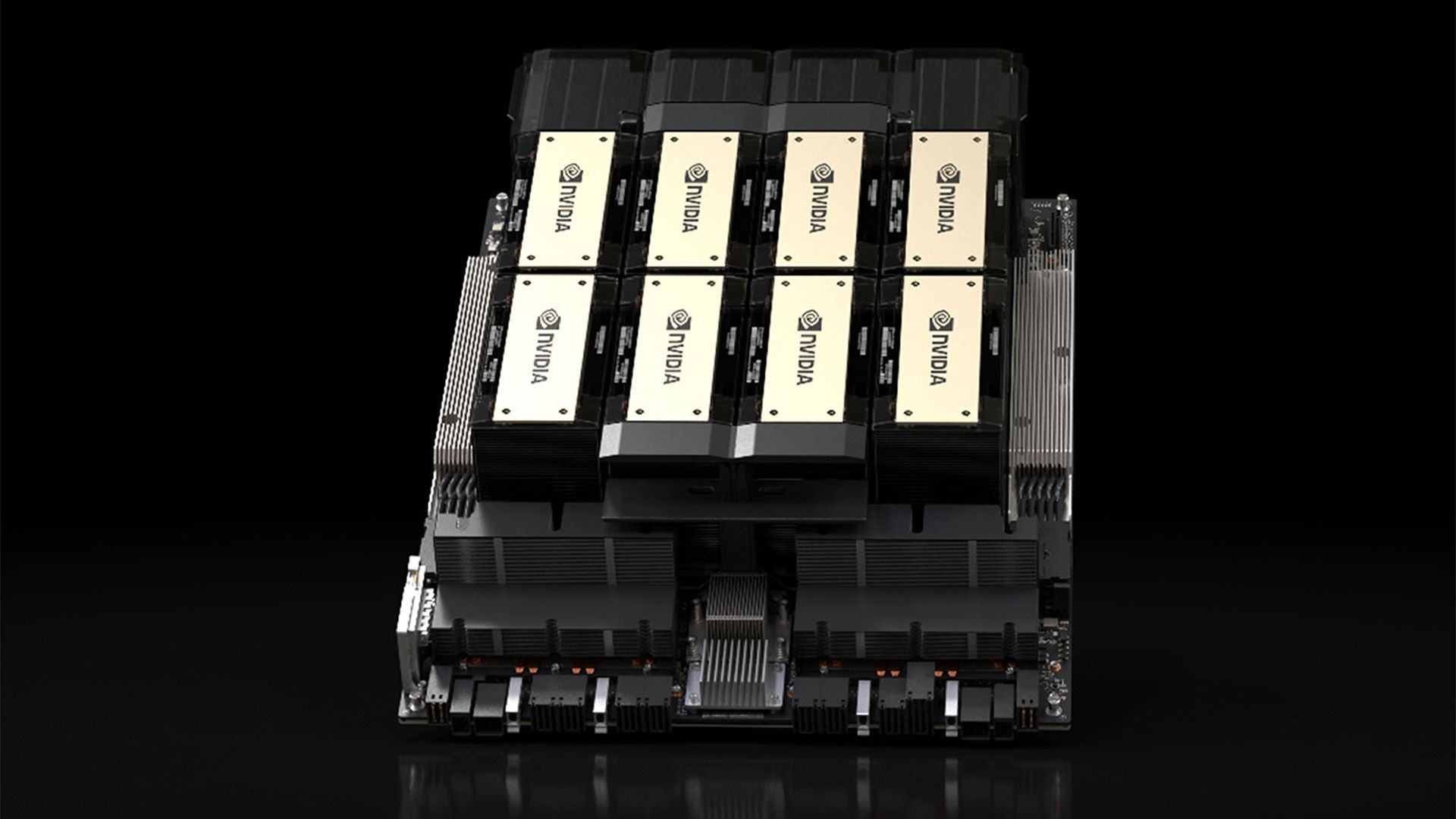
This isn’t some shadowy back-alley deal. It’s Sharetronic Data Technology Co., an established player that’s flipped to AI data centers, snapping up 276 Super Micro SYS-821GE-TNHR servers and 32 Dell PowerEdge XE9680s. Loaded with banned Nvidia H100 or H200 chips — the beasts powering everything from drug discovery to deepfakes. And it’s all documented in crisp invoices from China’s State Taxation Administration, leaked via Bloomberg.
Look.
These aren’t toys. An H100 GPU crunches numbers like a meteor storming through data clouds, 30 times faster than consumer cards for training massive AI models. For everyday innovators — coders building chatbots, researchers decoding proteins — this means China’s AI labs leapfrog restrictions, churning out models that could rival or crush Western ones overnight.
How Did Banned Nvidia GPUs Slip Into China?
Sharetronic didn’t just wish for these. In May and June 2025, they inked deals with a Shenzhen subsidiary, shipping servers screaming compatibility with HGX H100/H200 setups. U.S. bans hit in 2022, nuking exports of these high-end accelerators to China. No old stock excuses here — supply chains don’t stretch that far.
Dell swears innocence: > “There is no record of the alleged sales. If we determine that a customer has diverted our products or transferred them to an unauthorized location or customer, we take swift and appropriate action including termination.”
Sharetronic echoes the tune — “all related assets have come from legal and compliant channels,” they claim. No ties to Super Micro, they insist. But then: boom. Shares crater 20% after Super Micro co-founder Yih-Shyan “Wally” Liaw’s arrest on smuggling charges. Coincidence? Hardly.
Here’s my take, the one you’ll not find in the wires: this reeks of a digital Manhattan Project. Back in the 1940s, Allies smuggled uranium secrets past Nazi eyes to build the bomb. Today, it’s silicon — China’s quietly assembling an AI arsenal, one server rack at a time. And we’re watching history rhyme, with U.S. controls as the Maginot Line that smugglers laugh at.
Sharetronic’s pivot? Slick. Over 20 years old, they birthed Guangzhou Fcloud in 2024, scored Nvidia’s Cloud Partner badge for “AI cloud providers delivering infrastructure purpose-built for modern AI workloads.” Cue the buying spree, bank loans collateralized by these very servers. Redacted invoices hid the details — until two slipped through, naming names.
Is Super Micro the Fall Guy in AI Chip Smuggling?
Wally Liaw’s cuffing isn’t isolated. Bipartisan senators now howl for halting Nvidia export licenses altogether. Nvidia itself? Crystal clear.
“FCloud will need the required licenses and approvals from both of the respective governments before it acquires any H200 servers,” an Nvidia spokesperson told Tom’s Hardware. “Customers are under express instructions not to provide any controlled servers, support, or service without approval from the U.S. government.”
They’re playing enforcer, aiding prosecutions. But the floodgates? Cracking. Public docs keep exposing sanctioned chip hauls — invoices, loans, partner lists. It’s a cat-and-mouse game where mice multiply.
Think bigger. AI’s the new oil, GPUs the rigs. U.S. throttles supply to China, birthing a black market boom. Prices skyrocket globally (hello, Hopper scarcity), innovators scramble, and China? They build their own — Huawei’s Ascend, Baidu’s chips — faster. My bold call: this smuggling saga accelerates the splintering of AI into East-West silos, like internet firewalls on steroids. Winners? Domestic champs. Losers? A unified global compute pool.
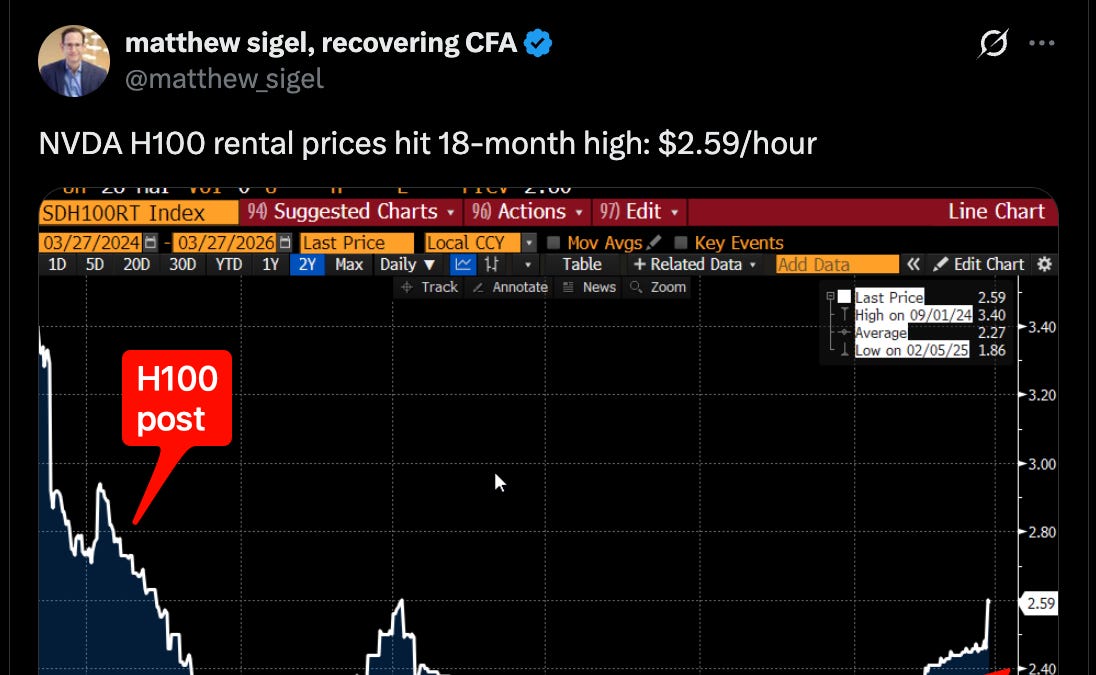
But wonder this: for you, the indie dev in Austin or artist in Mumbai, does it sting? Absolutely — scarce chips mean pricier cloud hours, slower experiments. Yet it sparks fury-fueled innovation. Nvidia’s stock? Dips then rebounds, as bans ironically hype their moat.
Sharetronic’s denials ring hollow against the paper trail. No names on buyers, citing confidentiality. Yet Fcloud’s mandate? High-performance computing for China’s AI hunger. They’re renting these monsters out, powering who-knows-what: surveillance nets, autonomous factories, model factories rivaling GPT.
Why This Ignites the Global AI Arms Race
Envision servers humming in Guangdong warehouses, H100s whirring past bans like ghosts in the machine. Real people win first: Chinese firms train LLMs without begging U.S. permission, birthing apps that flood global markets. A farmer’s drone spots blight via AI vision; a doc diagnoses via custom models — all turbocharged.
U.S. side? Panic. Senators rage, but enforcement’s a sieve. Super Micro’s scandal — arrests, plummeting shares — spotlights the rot. Dell’s clean hands? Maybe. But diversion happens downstream, partners flipping gear eastward.
And the wonder? AI’s platform shift roars on. Bans can’t halt it — they reroute it. Like Prohibition birthing speakeasies, export controls brew underground empires. China’s response? Pour billions into homegrown silicon, closing the gap by 2027, I predict. Nvidia pivots to compliant H20s, allies like Taiwan churn alternatives. The race? Fiercer, faster, fabulous.
Yet skepticism bites. Corporate spin — Sharetronic’s “legal channels,” Nvidia’s diligence — smells like PR fog. Truth: smuggling thrives because demand devours supply. Endgame? A bipolar AI world, innovation bifurcated, but exponentially amped.
One punchy truth.
This saga’s no end to U.S. dominance — it’s the spark for wilder leaps everywhere.
🧬 Related Insights
- Read more: This AMD 9800X3D Bundle Drops 32GB Corsair RAM to $192 — Free Cooler and Game Included
- Read more: ChatGPT Skills: The Reusable Workflow Hack That Could Slash Enterprise Prompt Fatigue
Frequently Asked Questions
What are the banned Nvidia GPUs in these servers?
H100 and H200 — top-tier AI accelerators banned for export to China since 2022, packing 8-GPU HGX boards for massive training runs.
How did Sharetronic get Super Micro servers with banned chips?
Invoices show purchases in 2025, likely via smuggling routes post-ban; company claims legal sources but dodges specifics amid arrests.
Will this smuggling affect global AI chip prices?
Yes — scarcity from bans already hikes costs; more leaks mean tighter controls, pricier clouds for everyone outside China.