Look, the headlines will tell you Maine’s governor vetoed a bill. Boring. What this actually means is that the thorny, messy, deeply human trade-offs fueling the AI boom are now front and center for everyday folks.
This isn’t just about some governor in a far-off state making a call. This is about whether your lights stay on when everyone starts demanding more processing power for their generative AI art projects, or when that new AI chatbot needs to churn out a million personalized marketing emails by lunchtime. It’s about the subtle, and not-so-subtle, ways the insatiable appetite for computation is reshaping our physical world, from our power grids to our local economies.
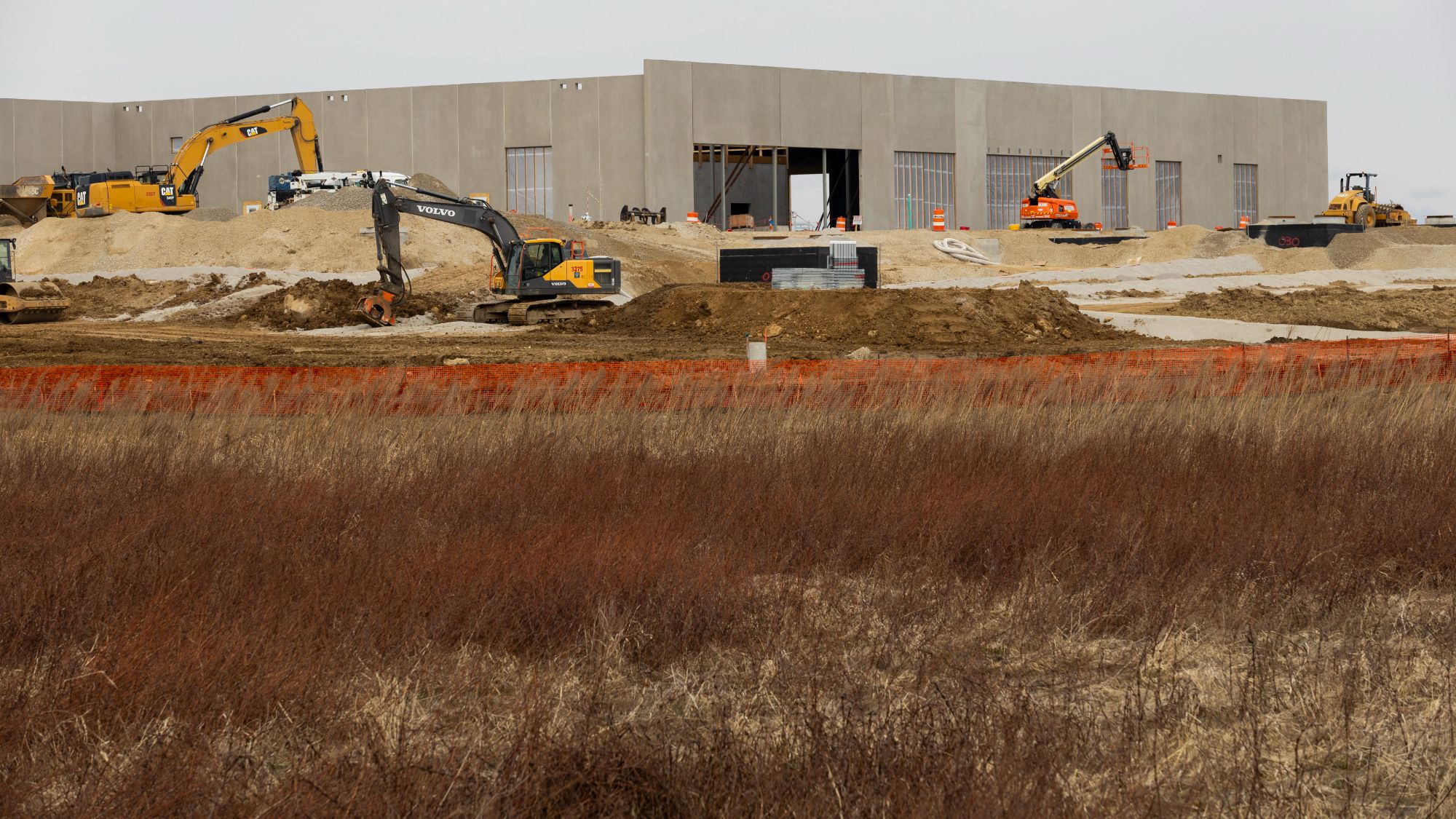
Here’s the thing: The bill that got axed aimed to pause construction on massive new datacenters – those hulking, energy-guzzling buildings that are the silicon brains of our digital age. It proposed a timeout, a chance for folks to actually study what these things do to the local grid, to electricity rates, to our air and water. But Governor Janet Mills, a Democrat, saw a different picture: jobs. Specifically, jobs tied to a $550 million datacenter project in Jay, Maine, meant to revitalize a town reeling from the closure of its paper mill. The governor’s argument? This particular project, she says, reuses existing infrastructure and won’t hammer the electric grid or your bills. A perfect storm of local need and corporate promise, perhaps?
She framed it as a necessary compromise. “A moratorium is appropriate given the impacts of massive data centers in other states on the environment and on electricity rates. But the final version of this bill fails to allow for a specific project in the Town of Jay that enjoys strong local support from its host community and region,” Mills stated. It’s a classic devil’s bargain, isn’t it? We acknowledge the problem – the strain on our energy resources, the potential for skyrocketing bills – but we’re willing to look the other way for a quick economic fix. The town of Jay, having lost hundreds of jobs when the Androscoggin paper mill shuttered, is practically begging for this lifeline. The promise of 800 construction jobs and 100 permanent, high-paying roles, not to mention property tax revenue, is a powerful siren song.
But let’s not pretend this is just about one town. This veto, and the political calculus behind it, sends a ripple effect across the nation. Tech giants are pouring hundreds of billions into AI datacenters – a spending spree rivaling the dot-com bubble’s peak. Naturally, this build-out isn’t happening in a vacuum. More than a dozen states are wrestling with similar legislative proposals to rein in development. Virginia, already a datacenter behemoth, is debating its own restrictions. Meanwhile, at the federal level, even some lawmakers are pushing for a pause, demanding AI safety legislation before the hardware frenzy goes too far.
So, what does Mills’ decision really mean architecturally? It means the decentralized, distributed future we’re told is coming might actually be a lot more concentrated, and a lot more visible, than we’ve been led to believe. It implies that the current power infrastructure, even with voluntary pledges from tech companies to foot the bill for new electricity generation, is still a primary bottleneck – and a point of contention. The architecture of AI isn’t just silicon and code; it’s increasingly about concrete and kilowatt-hours, and the political will to build it out, or hold it back.
This veto highlights a fundamental tension: the urgent need for AI infrastructure versus the immediate, tangible impacts on communities and the environment. It’s a stark reminder that economic opportunity, especially in struggling rural areas, often trumps long-term sustainability concerns. And while the governor has pledged to establish a council to examine datacenter impacts and has signed a bill to cut datacenters from state tax incentives, the core issue remains unresolved for many.
“While a veto might protect the proposed data center project in Jay, it poses significant potential consequences for all ratepayers, our electric grid, our environment and our shared energy future,” Sachs said.
Melanie Sachs, the Democratic state representative who sponsored the bill, didn’t pull punches, calling the veto “simply wrong.” Her words echo the anxieties of many who see these massive facilities as a looming threat to energy affordability and environmental stability. This wasn’t just a local spat; Maine was positioned as a potential blueprint for other states, a test case for whether a broader moratorium could gain traction. Its failure here, due to an apparent clash between statewide regulation and localized economic pressures, offers a cautionary tale.
Is this a win for AI progress, or a loss for consumer and environmental protection? The answer, predictably, isn’t clean-cut. It’s a messy compromise, a reflection of the ongoing, and often contentious, sprint to build the physical infrastructure for an increasingly digital world. The real question isn’t if datacenters will grow, but how we’ll pay for it, and who bears the ultimate cost.
Why Does This Matter for My Electricity Bill?
The core of the debate hinges on power. Datacenters are voracious energy consumers. When new, massive facilities come online, they demand significant chunks of electricity. This increased demand can strain local power grids, potentially leading to higher wholesale electricity prices. While tech companies have pledged to offset these costs through new power generation, the construction and integration of that new generation take time. In the interim, or if those pledges aren’t fully realized, consumers can end up footing the bill through higher rates. It’s the classic economic principle: increased demand, without a perfectly matching increase in supply, drives up prices.
What’s the Environmental Angle?
Beyond the sheer energy consumption, which often comes from fossil fuel sources even with renewable energy investments, datacenters have other environmental footprints. They require water for cooling, potentially impacting local water resources. They also contribute to noise pollution and can occupy significant land areas. The legislation Maine considered aimed to quantify these impacts before further development, a proactive approach that was sidelined in favor of immediate economic development.
🧬 Related Insights
- Read more: YouTube’s Avatar Tool: Google’s Bet on Controlled Deepfakes
- Read more: Amazon Bedrock Model Lifecycle: The Inevitable Sunset No One Talks About
Frequently Asked Questions
What does the veto mean for Maine’s energy future?
It means a more immediate push for datacenter development, potentially increasing energy demand and the need for new power generation infrastructure. Governor Mills plans to study impacts via an executive order, but the immediate development pause is off the table.
Will this affect electricity prices in Maine?
Potentially. Increased demand from datacenters could drive up wholesale electricity prices, which may be passed on to consumers, although the governor believes the specific Jay project won’t significantly impact the grid.
Could other states follow Maine’s lead with datacenter regulations?
Yes, the debate in Maine is part of a larger national conversation. While Maine’s veto might seem like a setback for regulation, the underlying concerns about datacenter impact are widespread and likely to continue driving legislative efforts elsewhere.