The air in Augusta, Maine, thickened not just with the late spring humidity, but with the palpable tension of competing interests.
Governor Janet Mills’ veto pen, striking down a bill that would have slammed the brakes on new large-scale data centers in the Pine Tree State, isn’t merely a local political squabble. It’s a flashing neon sign, screaming to anyone paying attention about the increasingly thorny architectural challenges we face as the digital infrastructure powering our AI-driven world begins to exert a very real, very physical toll on the planet.
This wasn’t a blanket rejection. Far from it. The bill, had it passed, would have imposed a moratorium on data centers exceeding 20 megawatts of power consumption, effectively halting approvals until October 2027. The stated aim? To allow a state council to get a handle on the staggering impacts these digital behemoths have on our already strained power grids, water resources, and the very air we breathe.
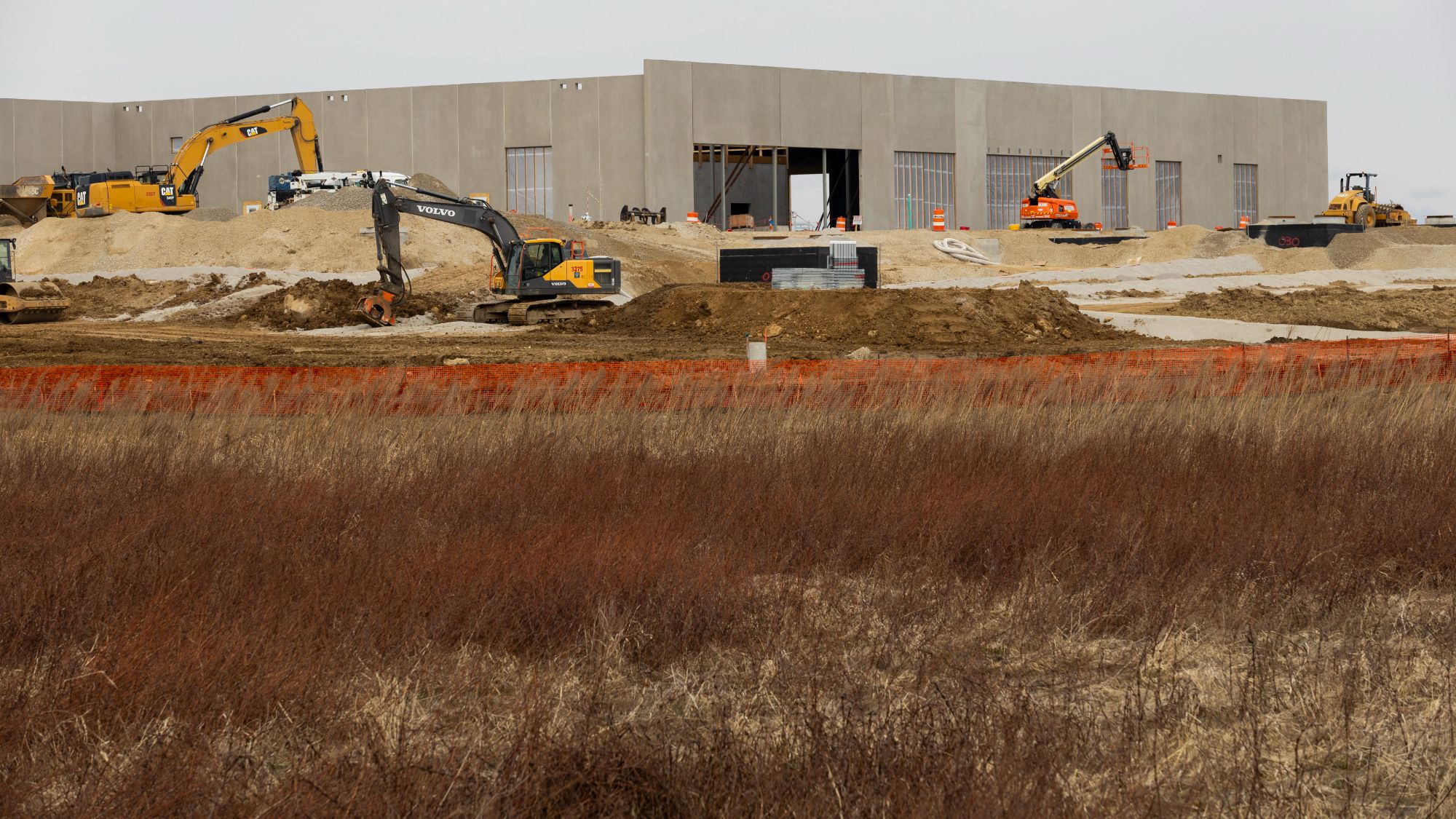
But here’s the kicker, the part that turns this from a simple regulatory story into something far more complex: Governor Mills singled out one particular project in Jay, a town nestled about 60 miles north of Portland. She argued that this specific, well-supported, $550 million data center, currently under construction on the site of a former paper mill, deserved an exemption. It’s a project, she stated, that “enjoys strong local support from its host community and region.”
“A moratorium is appropriate given the impacts of massive data centers in other states on the environment and on electricity rates,” Mills declared in a statement. “But the final version of this bill fails to allow for a specific project in [Jay] that enjoys strong local support from its host community and region.”
This narrative – the promise of jobs, tax revenue, and repurposing defunct industrial sites – is the siren song of the data center industry. In Jay, the argument goes, this isn’t a greenfield development gobbling up pristine land. It’s an industrial resurrection. The old paper mill, a casualty of economic shifts and a catastrophic accident, is being reborn. The $550 million investment is slated to utilize existing infrastructure, a claim designed to assuage concerns about grid strain and energy bills. And the economic carrot? 800 construction jobs, followed by 100 high-paying permanent positions. It’s the kind of local economic uplift that’s hard for any politician to ignore, especially when coupled with the enthusiastic backing of the host community.
But is this an isolated win for pragmatism, or a dangerous precedent?
The deeper issue here, the one that keeps grid operators and environmental scientists up at night, is the sheer, unadulterated appetite these facilities have for power. AI, in particular, is insatiable. Training these massive models requires computational power that translates directly into energy consumption, and that energy needs to come from somewhere. While the Jay project points to reusing existing infrastructure, the question remains: what about the next project? And the one after that?
This isn’t a problem confined to Maine. Across the country, communities are grappling with the same fundamental trade-off. In some cases, the pushback has been fierce. Residents in areas with a proliferation of data centers have reported everything from skyrocketing electricity costs to a noticeable degradation in power quality – the kind of instability that can cripple businesses and disrupt daily life. It’s gotten so intense that even former President Trump, not exactly known for his environmental advocacy, found himself convening hyperscale executives to tell them, in no uncertain terms, to “pay their own way” for their electricity needs.
Governor Mills, despite her veto, isn’t exactly a data center apologist. She’s pledged to establish a new state council to study their impacts. She also signed another bill that nips at the heels of data center developers, preventing them from exploiting the state’s business development tax incentives. It’s a delicate dance, trying to balance economic development with environmental stewardship, and Mills seems determined to waltz rather than run.
What’s particularly fascinating, however, is the political tightrope she’s walking. The Maine House of Representatives, a body dominated by her own Democratic party, voted overwhelmingly against an exemption for the Jay project, 115-29. That’s a margin that signals not just disagreement, but a significant disconnect between the governor and her legislative allies on this specific issue. And with Mills eyeing a potential U.S. Senate run, any perceived weakness or departure from party orthodoxy can be exploited. Her veto, while perhaps politically expedient in appeasing a local community and a significant investment, puts her at odds with a substantial segment of her party.
This situation in Maine isn’t an anomaly. It’s a snapshot of a much larger, systemic challenge. The relentless demand for computational power, driven by everything from generative AI to cloud computing, is fundamentally reshaping our energy landscape. We’re building digital cathedrals that require the literal power of cities. And as these projects proliferate, so too will the debates over where that power comes from, who bears the cost, and what environmental compromises we’re willing to make.
The architectural shift we’re witnessing isn’t just in silicon chips or software algorithms; it’s in the very physical infrastructure of our world. Data centers are the new smokestacks, and the old debates about jobs versus pollution are being resurrected, albeit with a digital twist. Maine’s governor has chosen a path of selective exemption, a move that might appease one town but does little to address the looming, state-wide and national questions about how we power the future of AI without burning down the present.
Is This Just About One Data Center?
No, not really. While Governor Mills’ veto specifically targeted an exemption for the Jay project, her decision highlights a broader societal conflict. It pits the tangible economic benefits of data center development—jobs, tax revenue, repurposing old industrial sites—against the abstract but critical concerns about environmental impact, energy grid stability, and rising electricity costs. Her approach suggests a pragmatic, if controversial, attempt to navigate these competing pressures, rather than a wholesale embrace or rejection of the industry.
What Does This Mean for the Future of AI Infrastructure?
This veto underscores the growing tension between the insatiable demand for computing power, especially for AI, and the finite resources of our energy grids and environments. It signals that the era of unquestioned data center expansion may be winding down. Future projects will likely face increased scrutiny, stricter regulations, and more vocal community opposition. Companies building AI infrastructure will need to proactively address concerns about sustainability, grid impact, and local economic benefits, moving beyond just job creation to genuine community partnership.
🧬 Related Insights
- Read more: NVIDIA’s Europe AI Blueprint: Hardware Goldmine or Empty Hype?
- Read more: Citrini’s 2028 Nightmare: When AI Ghosts Haunt the Economy
Frequently Asked Questions
What exactly did Governor Mills veto?
She vetoed a bill that would have imposed a moratorium on new data centers larger than 20MW in Maine until October 2027, without making an exception for a specific project under construction in Jay. Her veto allows that Jay project to proceed while still expressing concern about the broader impacts of data centers.
Will this veto affect other data center projects in Maine?
Potentially. While the Jay project is exempted, the governor has indicated she will create a state council to study data center impacts, suggesting future projects might face more rigorous review or new regulations.
Why are data centers so controversial?
They are massive consumers of electricity, which can strain power grids, increase electricity costs for everyone, and have environmental implications depending on the energy source. Communities also worry about their impact on local infrastructure, water usage, and the visual landscape.