Factory floors in Shenzhen. Classrooms in rural Henan. Elderly care homes in Shanghai. That’s where this Five-Year Plan hits hardest—promising AI to reshape daily drudgery, or so Beijing says.
Your boss might swap you for smarter robots. Doctors could lean on algorithms for diagnoses. Kids? Adaptive tutors watching every click. Sounds efficient. Terrifying, too.
But here’s the kicker: China isn’t aping Silicon Valley’s behemoths. No trillion-parameter monsters slurping Nvidia power. They’re doubling down on small, open models—efficient, cheap, everywhere.
Why China’s Betting on Pint-Sized AI?
Smart move, actually. West’s hooked on giants like GPT-4—proprietary black boxes from a handful of overlords. China? They’ll churn out lean agents, multi-modal whizzes, embodied bots that don’t need a data center to breathe.
The plan spells it out: high-performance chips, fresh architectures, core algorithms. All state-guided, naturally.
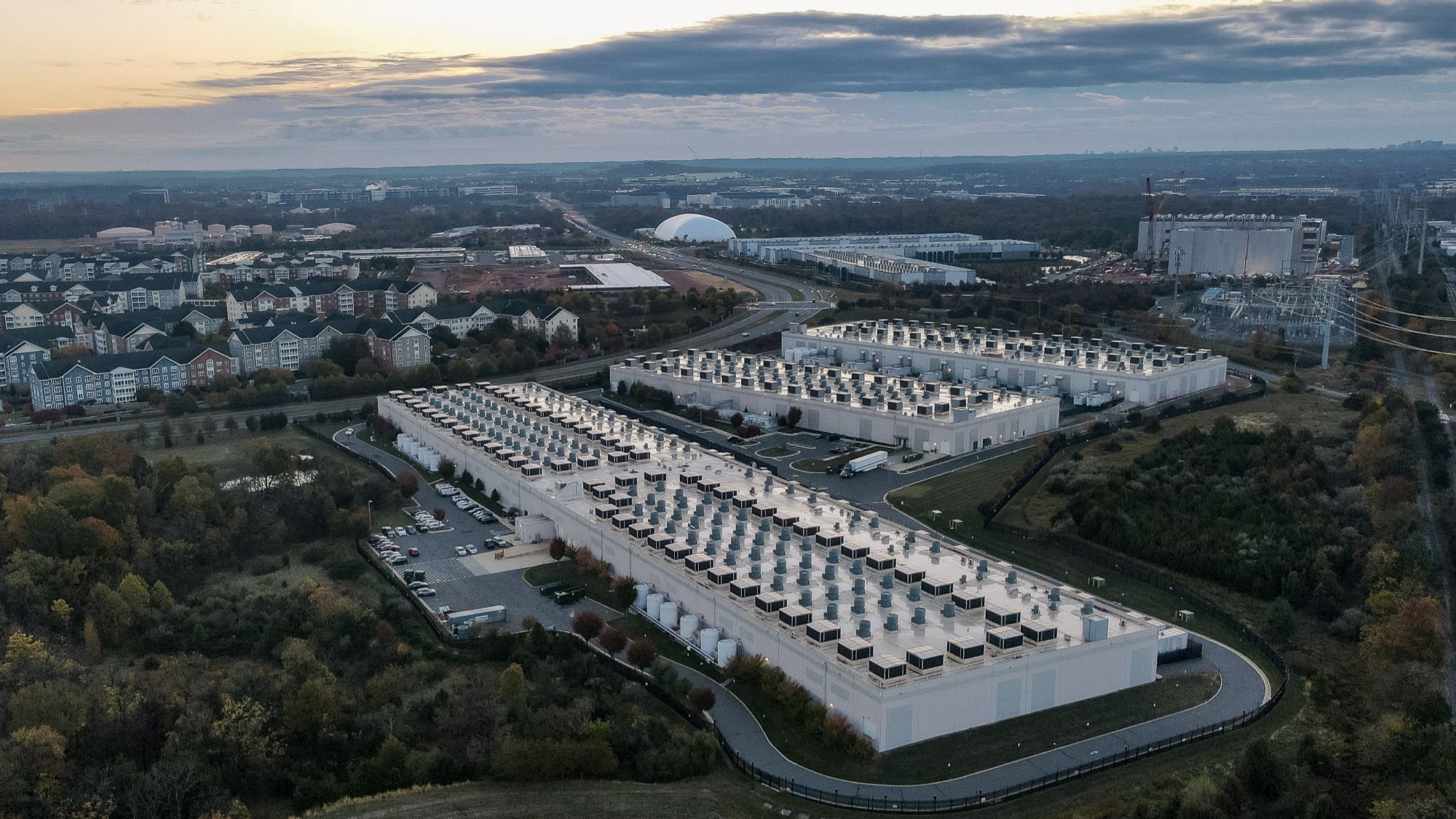
And infrastructure? “Intelligent computing clusters,” they call ‘em—national hubs leasing power to scrappy startups. Barriers tumble for small firms. Government’s buying in bulk, too. No more begging Big Tech for scraps.
The government calls for national computing hubs described as “intelligent computing clusters”, and proposes market mechanisms such as the lease of computing resources to give access to a large a swathe of the population as possible.
That’s the quote straight from the doc. Poetic, right? Like renting cloud time from Uncle Xi.
Manufacturing gets a starring role. Design. Production. Operations. Energy grids humming on AI smarts. Farms? Precision ag with bots. Services—finance, logistics, software—all juiced up.
Consumers? Phones, PCs, robots in every home. Education: personalized hell for slackers. Healthcare: AI spotting cancers before docs sip tea. Elders: welfare bots checking pulses.
Government’s all in—digital services everywhere, risk assessments for public safety. Even a nod to global standards. Cautious, though. No wild alliances.
But governance? That’s the steel spine. Legal frameworks. Algorithm registries. Security checks. Transparency mandates. Deepfakes? Data misuse? They’re naming names, risks and all.
Look.
This reeks of control. China’s path—small models, open(ish) source—sidesteps US chip bans brilliantly. Efficient inference on homegrown silicon. No Nvidia dependency.
My hot take? Historical echo of Deng’s reforms: pragmatic, bottom-up scaling over moonshots. Bold prediction: by 2030, China’s AI saturates industries while West sues over copyrights. Workers adapt or perish.
Can China Pull Off AI Without Western Muscle?
Doubt it fully. Sanctions bite—Huawei’s gasping, SMIC lags TSMC. But sheer scale? 1.4 billion data points. State cash floods. Thousands of model-tinkering labs.
They’ll flood factories with agentic AI—bots that plan, execute, iterate. Agriculture? Drones optimizing rice paddies. Energy? Grids dodging blackouts via prediction.
Services shine brightest. Logistics: AI routing trucks flawlessly. Finance: fraud-sniffing in real-time. Software? Code-gen for the masses.
Elderly care tugs heartstrings. Robots for the aging giant—China’s got 300 million over 60 by decade’s end. Adaptive systems monitoring falls, meds, loneliness.
Yet skepticism reigns. PR spin screams “leadership.” Reality? Centralized data hoards invite hacks, biases tuned to Party lines.
Embodied AI—robots in the wild—promising, but Huawei’s struggles whisper caution.
And consumers? AI phones galore, sure. But surveillance baked in. Every adaptive learner reports to Beijing.
No.
This plan’s no revolution. It’s evolution with handcuffs. West’s chaos breeds breakthroughs; China’s order grinds steady.
Quantum, biotech bundled in—AI’s just the engine. 5G-A, 6G pipes data firehose-wide.
Unique insight: Remember Japan’s 1980s tech bubble? MITI-planned semiconductors flopped against Silicon chaos. China risks same—top-down stifles serendipity.
Or does it? Deng dodged that trap. Xi might too.
Public sector’s the quiet killer app. Integrated data, standard models for admin. Risk models for safety—crime prediction à la Minority Report.
International? Tepid. Standards co-op maybe. No tech handover.
Deepfakes flagged—good. But who’s auditing the auditors?
Wrapping threads: efficiency trumps excess. Small models democratize—until state yanks leashes.
For real people? Jobs morph fast. Upskill or sidelined. Healthcare improves—inequality shrinks? Doubtful.
China-watchers, buckle up. Next five years test if lean AI conquers.
Is This the End of Western AI Dominance?
Nah. But a wake-up. US hoards power in duopoly; China spreads thin, wide.
Predictions: Export bans accelerate their self-reliance. By 2028, Huawei chips power half their AI.
Workers: Manufacturing output surges 20%. Services? Efficiency bonanza.
Risks? Overreach. Data laws strangle innovation.
Punchy truth.
Beijing’s blueprint works if execution matches ambition. History says bet against.
🧬 Related Insights
- Read more: AI’s Robbing Kids of Brainpower, Teachers Say – And Government’s All In
- Read more: Amazon Slaps a Leash on Rogue AI Agents—But Will It Hold?
Frequently Asked Questions
What are the main AI targets in China’s 15th Five-Year Plan?
It pushes intelligent computing clusters, small efficient models, and deployment in manufacturing, agriculture, healthcare, and government services through 2030.
How will China’s AI plan affect everyday consumers?
Expect more AI in phones, robots for elderly care, adaptive education tools, and healthcare diagnostics—but with heavy data oversight.
Will China overtake the US in AI deployment?
Possibly in scale via efficient models and state infrastructure, but chip sanctions and central control could hinder true breakthroughs.