Did you think the era of hardware gatekeeping was over? Commodore, a name synonymous with democratized computing, nearly brought it roaring back with its C64 Ultimate.
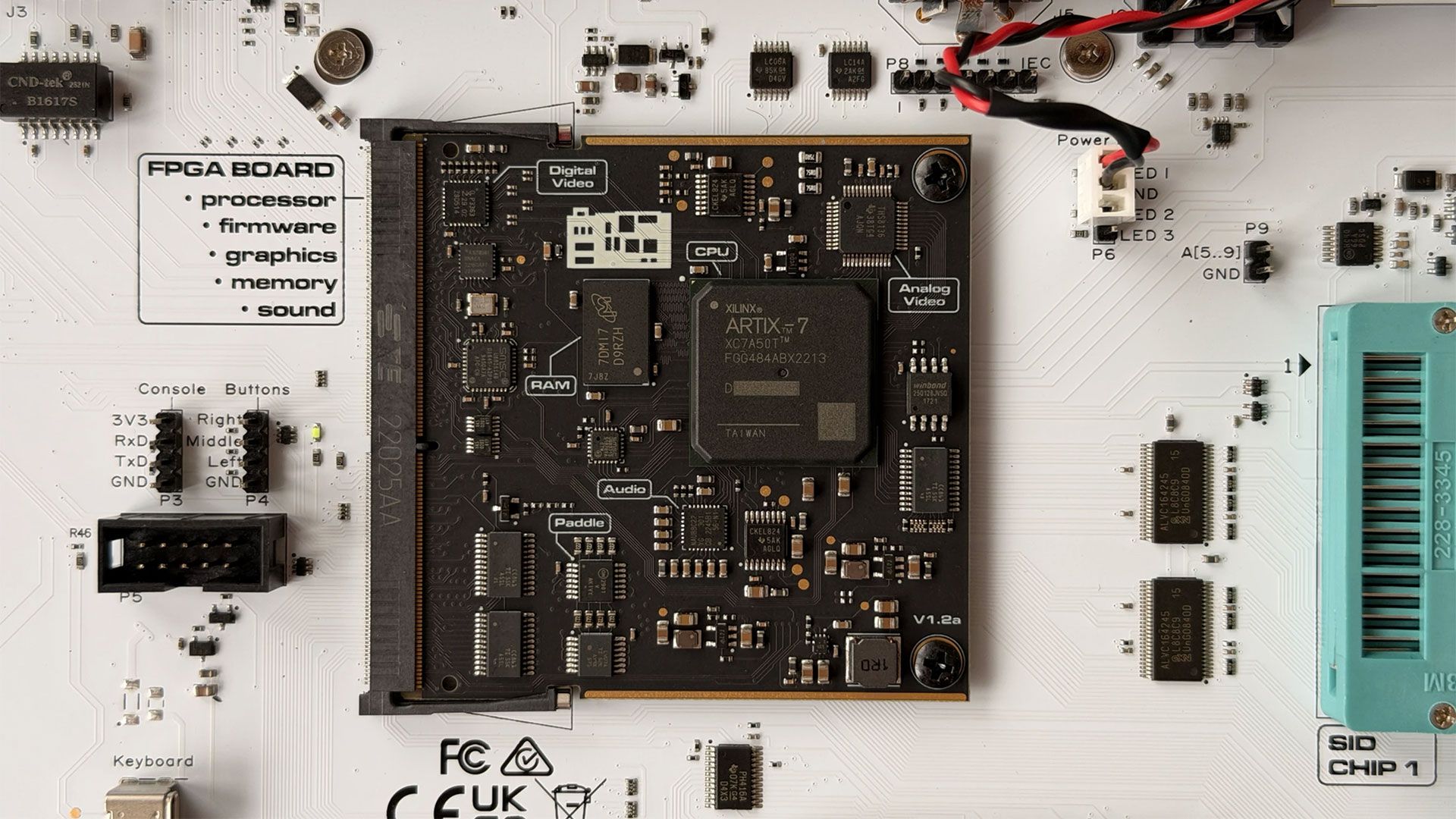
This wasn’t some abstract technical decision buried in a white paper. This was a bold, almost arrogant, declaration by a resurrected brand that it would dictate what code you could — and couldn’t — run on your own damn computer. Their plan? To lock down the FPGA, the very heart of modern retro computing, preventing any third-party firmware. The reasoning, they claimed, was purely practical: avoid covering support for user-induced bricking. Sounds reasonable on the surface, doesn’t it? But peel back that layer of corporate pragmatism, and you find something far more insidious: a fundamental misunderstanding of why people buy these machines.
Commodore’s initial statement, dropped like a cold splash of water on a fanbase eager for creative freedom, was a clear shot across the bow. They’d seen “non-functioning casualties of third-party firmware updates” and deemed it an unsustainable burden. Imagine that: a company built on empowering users to tinker and explore suddenly deciding that “tinkering” was a liability. This proposed firmware gatekeeping was a tricky situation, telegraphed via a simple firmware update notice implying future safeguards. The backlash was immediate, and frankly, entirely predictable.
The Echoes of Past Battles
This whole affair feels eerily familiar, doesn’t it? It’s a modern echo of the old console wars, or even the early days of PC modding, where manufacturers grappled with the unpredictable nature of user-driven innovation. Companies like Nintendo famously fought ROM hacking and emulation tooth and nail, seeing it as piracy and a threat to their ecosystem. Here, Commodore was trying to put a digital padlock on a machine that, by its very DNA, is about breaking down walls. They wanted to offer the feeling of openness, but without the messy reality of it.
But here’s the critical point, the one Commodore seemed to miss entirely until the internet collectively screamed: for many, the appeal of a machine like the C64 Ultimate isn’t just playing vintage games. It’s the potential. It’s the ability to push the hardware, to develop new cores for the FPGA, to create entirely new experiences. To deliberately hobble that potential, under the guise of customer support, is to misunderstand the very soul of the retro computing and maker communities.
We listened. We…
Then came the retreat. Faced with a firestorm of criticism, Commodore did what many companies eventually do when they misread the room: they backed down. The official blog post update is a masterclass in public relations damage control, highlighting a change in policy with a key phrase splashed prominently: “We will not prevent you from installing other firmware on your Commodore 64 Ultimate.” Victory, right? Well, almost.
The “Free Experimentation, No Free Support” Doctrine
The company’s updated stance is essentially: “Go ahead, experiment all you want, just don’t come crying to us when you break it.” They’ve replaced the technical lockout with a stern disclaimer. Community-installed firmware, patches, or modifications are now explicitly stated to be used “at the owner’s own risk.” No free support, no warranty service, no replacements for units bricked or damaged by your own adventurous spirit. It’s a pragmatic compromise, certainly. It acknowledges the user base’s desire for freedom while protecting the company from the financial drain of supporting every modded machine.
This shift is fascinating not just for the immediate impact on C64 Ultimate owners, but for what it says about the evolving relationship between hardware manufacturers and their most engaged users. It’s a delicate dance: companies want to sell predictable, profitable products, but the most passionate communities thrive on unpredictability and endless possibility. Commodore’s near-misstep here serves as a stark reminder that the latter is often what truly breathes life into a beloved piece of tech.
Why Does This Matter for the Future?
This isn’t just about a retro computer. This is about the foundational principles of ownership and modification in an increasingly locked-down digital world. As more devices become complex systems reliant on firmware — from smart home appliances to advanced gaming consoles — the question of user control becomes paramount. Commodore’s initial impulse to control firmware, even with good intentions, highlights the ever-present temptation for manufacturers to exert maximum control. Their subsequent retreat, however, offers a hopeful glimpse into a future where the spirit of experimentation might just prevail.
For now, tinkerers rejoice. The C64 Ultimate remains an open canvas, albeit one where you’re firmly in the captain’s chair, responsible for steering clear of the rocks. The warranty is your safety net, but it only covers the storms you didn’t invite.
🧬 Related Insights
- Read more: $21 Billion Cybercrime Haul in 2025: Crypto Scams Dominate, AI Joins the Party
- Read more: The Invisible Map Inside AI: How Embeddings Turn Words into Cosmic Coordinates
Frequently Asked Questions
What is an FPGA and why is it important for the C64 Ultimate? An FPGA (Field-Programmable Gate Array) is a type of integrated circuit that can be programmed after manufacturing. In the C64 Ultimate, it emulates the original hardware of the Commodore 64, allowing it to run classic software. Its programmability makes it ideal for running different computer cores, enhancing the retro experience.
Will this decision affect other retro computing hardware? While this specific incident involved Commodore, it sets a precedent. If companies see strong community engagement and a willingness to compromise on firmware control, it could encourage similar flexibility across the retro computing market. Conversely, if issues arise from this freedom, it might lead others to reconsider.
Can I still get my Commodore 64 Ultimate repaired if I mod it? Commodore has stated they will not provide free support, warranty service, or replacements for units bricked or damaged by community-installed firmware or modifications. While the machine itself might still be repairable, any damage incurred due to your mods will likely be at your own expense.