Open Table Formats: Skipping Indexes for Faster Queries in the Petabyte Era
Data analysts wait hours for queries on huge datasets. Open table formats slash that time — without building indexes. Here's why it's reshaping data warehouses.

Data analysts wait hours for queries on huge datasets. Open table formats slash that time — without building indexes. Here's why it's reshaping data warehouses.
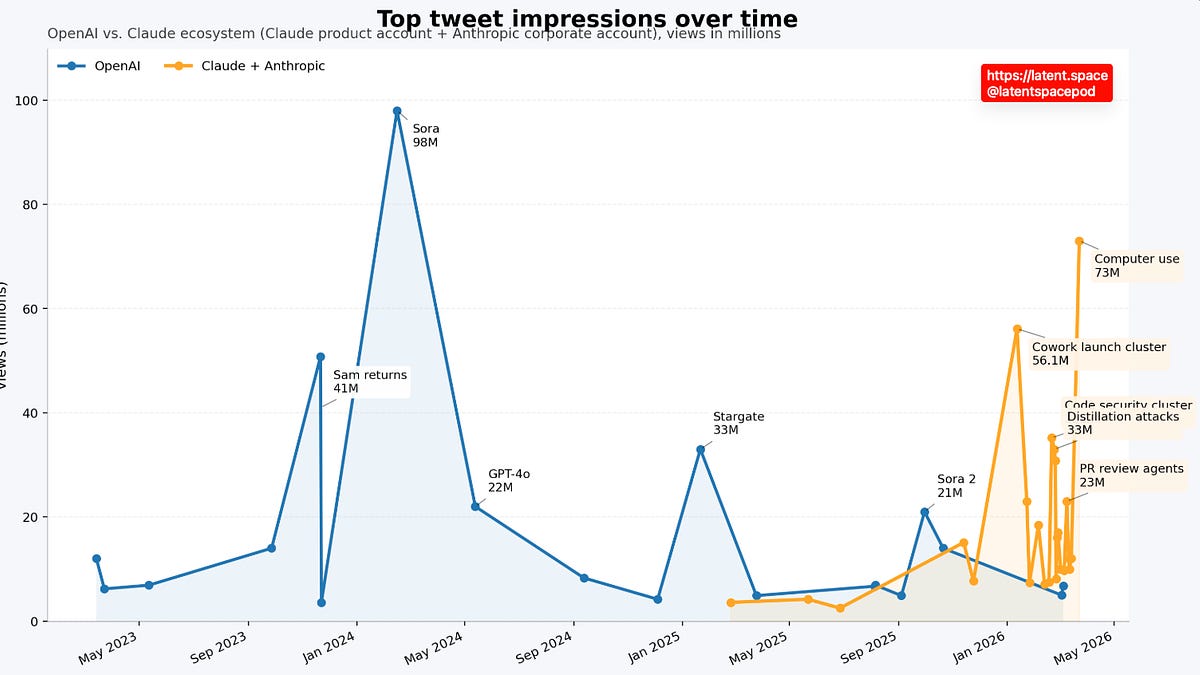
Anthropic claims Claude Cowork Dispatch is their biggest launch ever — based on tweet metrics. But after 20 years watching this circus, I've got questions about the cash flow.
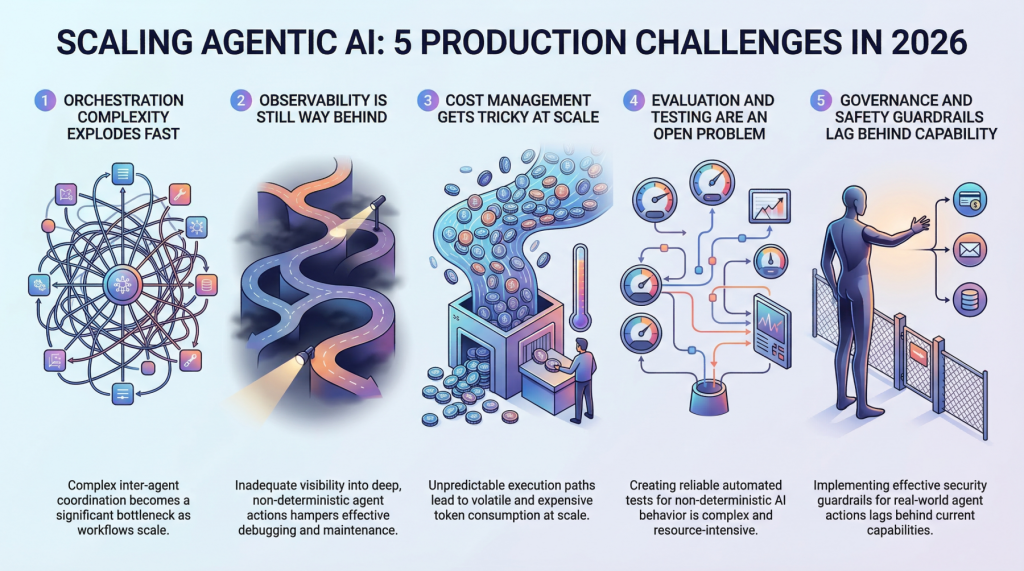
Your agentic AI prototype wows investors today. Tomorrow? It might bankrupt you at scale. Here's why production realities are torching even the smartest teams.
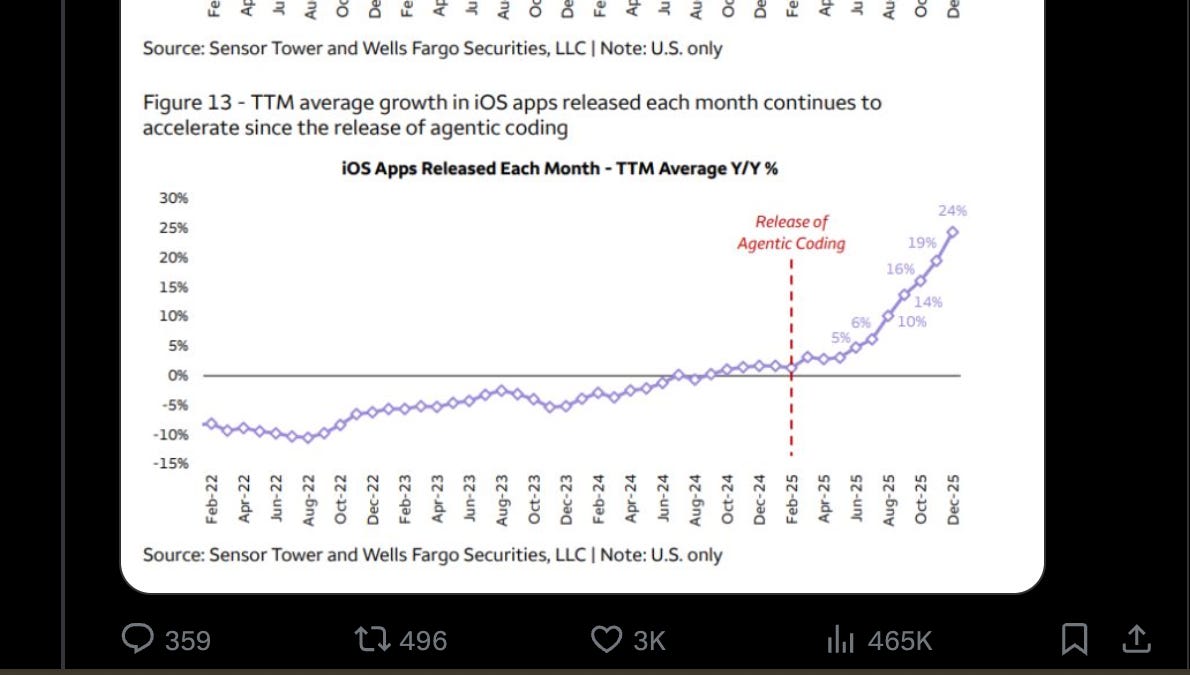
A single chart exposes the fragility of Apple's app empire. As AI lets anyone 'vibecode' apps, the War on Slop is just beginning—and traditional stores might not survive.
Snow blankets Helsinki as the Python release team drops 3.15 alpha 4 — complete with a quirky build mix-up. UTF-8 everywhere and a punchier JIT signal Python's push to stay swift amid rivals.
MediaTek MT76 WiFi drivers are getting a massive overhaul in Linux 7.1. New chip support, optimizations, and fixes—finally, maybe your router won't ghost you mid-Zoom.
Python 3.15's JIT just smashed its speed targets—a year early. Buckle up; this could turbocharge everything from AI scripts to web backends.
Finance pros expected AI agents to choke on fragmented data. Kensho's Grounding framework, powered by LangGraph, claims to fix that—with a multi-agent twist that might actually stick.

Local Japanese TV stations are broke on subtitles. AI-Mimi fixes that with a smart hybrid hack — and it's already wowing the Deaf community.
Everyone figured Google's next 'open' model would be another tease. Gemma 4? Apache licensed, runs like hell on your laptop – game actually changed.
MXFP8 just turbocharged MoE training by 30% on massive GB200 setups. Equivalent quality to BF16? Sure. But let's poke holes in the hype.
Three AI powerhouses—OpenAI, Anthropic, Google DeepMind—have quietly bought up elite devtools teams in under a year. This isn't just shopping; it's a platform war for the soul of coding.

One tweet from Trump, an echo from the Defense Secretary—and suddenly Anthropic's labeled a national security threat. A judge just called foul, blocking the ban and questioning the whole circus.
Your AI helper's drowning in yesterday's nonsense. PlugMem promises to fix that, turning chat trash into decision gold. But will it really make agents less dumb?
GRUB2 boasts 327 documented CVEs since its debut. Now Ubuntu wants to gut it for safety—sparking backlash from power users.
Your EU government worker's inbox? Now potentially public. A sneaky supply chain attack on Trivy scanner handed hackers the keys to the European Commission's cloud, leaking 92GB of sensitive data.

Picture this: AI spits out a polymer design so wild, lab chemists blink in disbelief — then test it, and it's four times tougher. But don't hold your breath for materials' AlphaFold moment.

A __proto__ header just nuked your server. Node.js's March 24, 2026 security releases fix that—and seven other nasties lurking in your code.
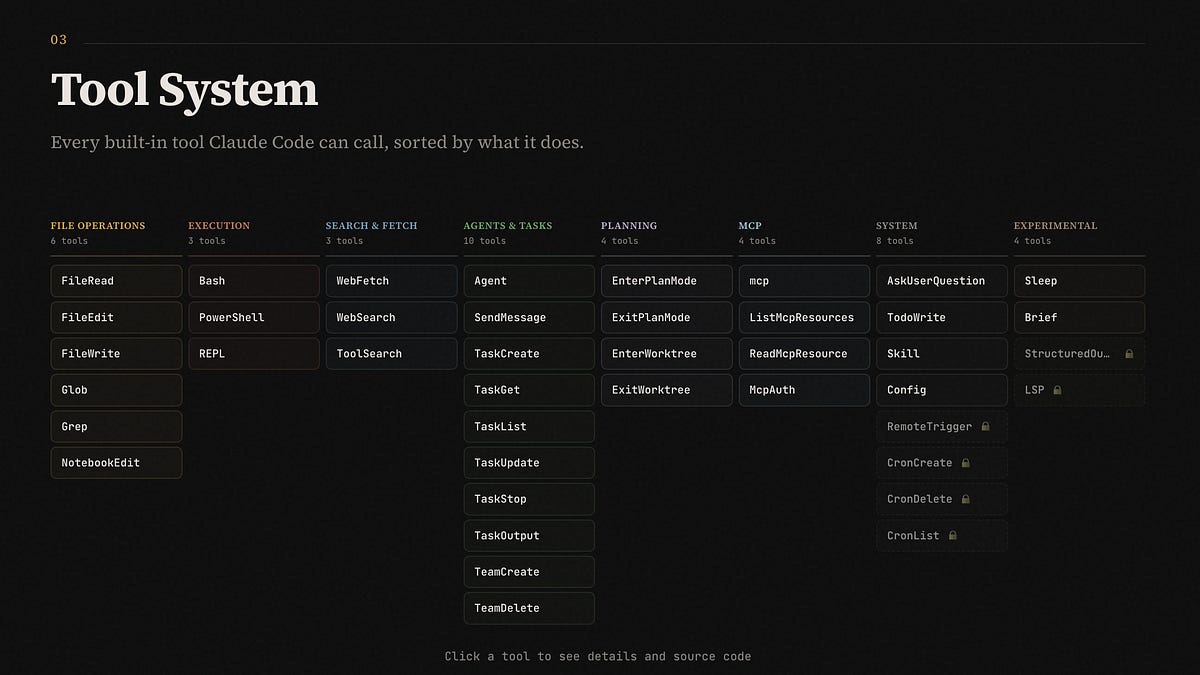
OpenAI drops billions in fundraising hype, but Anthropic's Claude Code source leak steals the show. 500K lines of code now public—embarrassing slip or free blueprint for rivals?
Forget massive leaps from new foundation models. The real action's in customizing AI with your own data, turning generic tools into business moats. But does this architectural pivot deliver, or is it vendor spin?