Anthropic’s Claude handled over 30% of the Pentagon’s AI queries through mid-2025, per court filings—before a presidential Truth Social rant turned it into public enemy number one.
Look, the U.S. Department of Defense dumped $1.8 billion into AI last fiscal year alone. That’s real money, fueling everything from logistics to intel analysis. So when a judge in California last Thursday smacked down the Pentagon’s bid to tag Anthropic as a supply chain risk, it wasn’t just a legal hiccup. It was a multibillion-dollar market signal: rash tweets don’t rewrite procurement rules.
What Sparked the Pentagon’s Anthropic Feud?
It started simple. Contract talks. Anthropic, the safety-obsessed AI outfit cofounded by ex-OpenAI folks, had been playing nice. Defense users tapped Claude via Palantir, under a custom policy that Jared Kaplan—Anthropic’s cofounder—described in court as blocking “mass surveillance of Americans and lethal autonomous warfare.”
No red flags. For months.
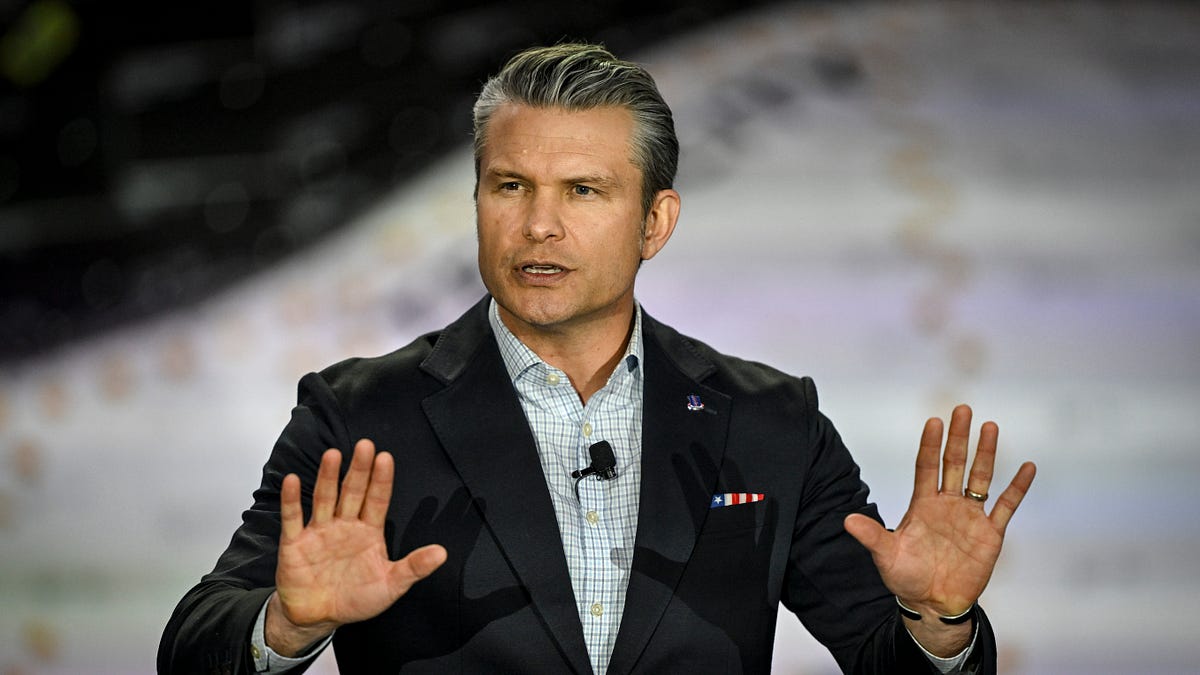
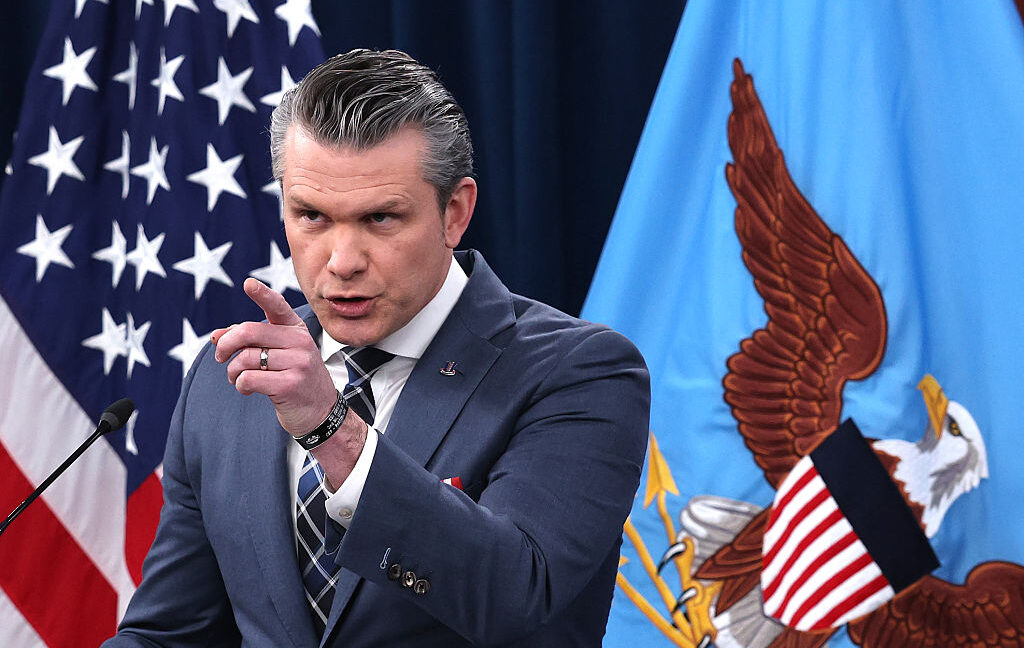
Then, direct contracting talks soured. Anthropic wouldn’t budge on its principles. Enter the drama: President Trump’s February 27 Truth Social post blasting “Leftwing nutjobs” at the company, ordering every federal agency to ditch its AI. Defense Secretary Pete Hegseth piled on, vowing to slap a supply chain risk label—barring agencies from using Anthropic tech.
Here’s the thing. That label isn’t a casual flick of the wrist. It demands specific steps: congressional notifications, evaluations of lesser measures, evidence of sabotage risks. Judge Rita Lin’s 43-page ruling? She found Hegseth skipped the playbook. Letters to Congress claimed alternatives were impossible—no details. The “kill switch” threat? Lawyers later admitted zero proof.
And those posts? They boomeranged.
“No contractor, supplier, or partner that does business with the United States military may conduct any commercial activity with Anthropic.”
— Defense Secretary Pete Hegseth’s post, later deemed by the judge to have “absolutely no legal effect at all.”
Government attorneys conceded as much in court Tuesday. Tweet first, lawyer later—classic.
Why Did the Judge See First Amendment Foul Play?
Lin didn’t stop at procedure. She zeroed in on motive. Public blasts painted Anthropic as arrogant ideologues refusing to compromise. The ruling quotes officials aiming to “publicly punish Anthropic for its ‘ideology’ and ‘rhetoric.’”
That’s First Amendment territory. Anthropic argued—and won preliminary ground—that this was retaliation for speech. Unlikely allies backed them: Trump-era AI policy vets like Dean Ball, who called the order “a devastating ruling for the government.”
Short term? The Pentagon’s frozen. No enforcement, no blacklist. Appeal window’s seven days; a second Anthropic suit in D.C. looms. But the pattern’s damning: social media saber-rattling, then courtroom backpedaling.
This isn’t just Anthropic’s win. It’s a checkpoint on executive overreach in AI procurement. Remember Huawei? The 2019 entity list spooked allies, boosted domestic rivals, but cost U.S. firms access to Chinese markets—$100 billion in lost sales by some estimates. Here’s my unique take: the Pentagon’s tactic risks the opposite for AI. By politicizing “safety-focused” models like Claude, it chills startups from defense bids altogether. Bold prediction—we’ll see a 20-30% drop in AI firm responses to DoD RFPs next year, as founders eye the Twitter guillotine over trillion-parameter training runs.
Market dynamics scream caution. Anthropic’s valuation hit $18 billion post-Amazon investment. Claude 3.5 Sonnet laps rivals in benchmarks—91% on GPQA Diamond, per Anthropic’s leaderboard. Government blacklists? They reroute revenue to commercial clouds, where AWS and Azure wait with open arms.
But wait—Pentagon spin machine’s already whirring. Officials claim it’s about national security, not culture war. Please. The Iran conflict kicked off hours after the ruling; real threats abound. Weaponizing supply chain rules against a U.S. firm for branding? That’s PR desperation, not strategy.
Can the Government Still Blackball AI Upstarts?
Legally? Sure, if they dot i’s. But this flop exposes cracks. Supply chain risk designations target foreign adversaries—think Chinese chips. Slapping it on a San Francisco AI lab? Judge Lin called it overkill, lacking sabotage evidence.
Anthropic’s not blameless—they’re picky on use cases. Kaplan’s policy nixes surveillance; fine for civilians, dicey for drone swarms. Yet the feud escalated because DoD wanted direct access, bypassing Palantir guardrails.
Longer view: this accelerates bifurcation. Safety-first firms like Anthropic pivot to enterprise—Fortune 500 deals doubled YoY. xAI, Grok’s maker? Already cozy with defense, no safety sermons. Market share shuffle incoming.
Skeptical eye: Trump’s team bet on shock-and-awe to force compliance. Backfired spectacularly. Allies from his own admin filed briefs against. Culture war optics poisoned the well.
Data point to watch: DoD’s AI adoption rate. Pre-feud, Claude via Palantir hit 40% internal usage spikes in Q4 2024. Post-ruling? Expect Azure OpenAI to fill the void—Microsoft’s federal cloud revenue jumped 25% last quarter.
Anthropic fights on. Vowed battle from day one. They’re persona non grata for now, but courts lean their way.
🧬 Related Insights
- Read more: Coding Agents Unleashed: Tools, Memory, and the Harness Turning LLMs into Code Wizards
- Read more: Gemma 4: Google’s Actual Open Model Hits – Benchmarks Don’t Lie
Frequently Asked Questions
What caused the Pentagon Anthropic supply chain risk fight?
Contract disputes over Anthropic’s safety policies clashed with DoD needs; escalated by Trump and Hegseth’s public posts.
Will the Pentagon ban succeed on appeal?
Doubtful short-term—judge found strong Anthropic case on procedure and First Amendment; D.C. suit adds hurdles.
Does this hurt AI companies chasing defense dollars?
Yes—signals political risk; expect fewer bids from safety-focused startups.