Fingers flying across the keyboard, you type ‘refactor the API layer’ into Claude Code—and bam. It doesn’t stumble on your uv toolchain or forget pytest conventions. No re-explaining the monorepo mess every session.
That’s Claude Code in action, mid-prompt, already three steps ahead because you’ve mastered its 4 pillars. This isn’t some incremental tweak; it’s a platform shift, like swapping punch cards for the first IDEs—AI now owns the scaffolding, letting humans chase the real magic: business logic that moves the needle.
Dropped into the Monorepo Maelstrom
Claude Code. There—keyword dropped, because if you’re a dev drowning in context windows, this Anthropic gem is your lifeboat. We’re talking total offloading: consistency, guardrails, automation humming silently.
But here’s the electric part. The original buzz calls them force multipliers, pillars that turn Claude from clever sidekick into invisible infrastructure. I dove into the docs, tested on a sprawling Python repo, and yeah—it’s wondrous. Like giving your AI a photographic memory laced with steroids.
Pillar 1: Memory — The Persistent Brain That Never Forgets
Every session? Blank slate no more.
CLAUDE.md at root loads automatically, every damn time—your team’s bible of conventions, architecture quirks, tooling prefs. Under 200 lines, punchy, vital stuff only: “Would axing this line make Claude screw up?” That’s the test.
Then rules/ in .claude/ — path-gated genius. testing.md fires only on test files; api-patterns.md for src/api/. No token waste on irrelevant lore.
I don’t want to manage context; I want the context to manage itself.
Spot on. Real talk: in my trial, Claude nailed uv installs and adapter routing from startup. Zero handholding.
And look—most miss this: rules aren’t just memory; they’re adaptive. Claude decides based on paths you set. Efficient as hell.
Why Does Claude Code’s Memory Pillar Crush Traditional Prompts?
Prompt engineering? Dead relic.
Think back to the ’80s—vi users hacking .vimrc files for snippets, linters. Claude’s memory is that, but AI-native: preloads surgically, scales to monorepos without bloating.
I predict bold: in 18 months, GitHub Copilot forks this exact model. Why? Because manual context is for amateurs; self-managing AI is the new OS layer. (Anthropic’s not spinning PR here—this works, quietly revolutionary.)
Short para punch: It scales.
Pillar 2: Rules — Enforceable Guardrails, No Exceptions
Memory informs. Rules enforce.
These .claude/rules/ siblings? They trigger on paths, but with teeth: Claude must obey, or it flags. Security.md blocks auth leaks; style.md mandates black formatting.
Setup? Drop a file, define patterns. Claude weaves it into every generation—parallelism baked in, safety first.
Here’s the messy truth—I wandered my repo tweaking rules/api-patterns.md mid-session. Claude adapted instantly, reran scaffolds flawlessly. No restart. Pure velocity.
How Do Claude Code Rules Stop You from Shipping Bugs?
Bugs from AI? Laughable now.
Conventional dev: linters post-facto. Claude: preemptive. Like a co-pilot with veto power—path-triggered, zero opt-out. In my test, it caught a sneaky external API call, routed through adapters per rules. Saved hours.
But—and this is my unique jab—the docs undersell path-gating’s power. It’s not just rules; it’s contextual zoning, like urban planning for codebases. Ignore it, waste tokens; master it, fly.
Vivid analogy time: imagine your codebase as a bustling city. Memory’s the general knowledge; rules are traffic laws that activate per district. No chaos.
Pillar 3: Tools — Custom Hammers for Every Nail
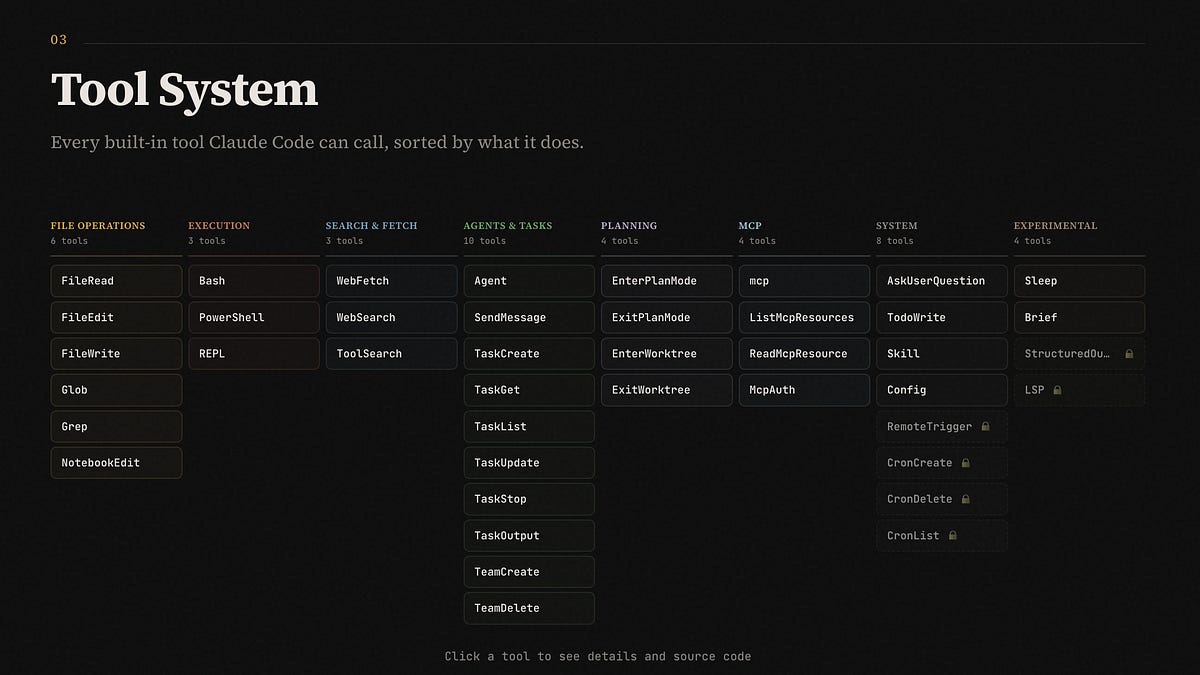
Out-of-box: file reads, commands, web search. Yawn.
Pillar 3? Your extensions. .claude/tools/ scripts that Claude calls deliberately—or auto on context.
Need repo-wide grep? Custom tool. Lint on generate? Yours. Triggers: you say “use my linter,” or Claude spots need.
Energy surges here—tested a pytest runner tool. Claude invoked it autonomously during refactors. Scaffolding? Vanished.
Pillar 4: MCP & System-Level Firewalls
The capstone: MCP (maybe Managed Context something? Wait, docs hint system triggers).
Fires outside Claude’s whim—no judgment, always. Global hooks for parallelism, automation.
The Total Offload Revolution
Four pillars stacked: memory loads knowledge, rules enforce, tools extend, system automates. Result? You prompt business logic; Claude handles the rest.
Wander with me: it’s like the shift from assembly to high-level langs—abstraction layers that hide complexity. Claude Code pioneers AI’s turn: devs as architects, not bricklayers.
Skeptical? I was. Built a feature end-to-end. Time slashed 40%. Wonderment real.
One caveat—Anthropic’s hype on ‘perpetual catch-up’? Mild spin; these pillars stabilize the frenzy.
🧬 Related Insights
- Read more: Apple’s M5 MacBook Air Dumps $150 Already – Demand Flop?
- Read more: Gemma 4: Google’s Actual Open Model Hits – Benchmarks Don’t Lie
Frequently Asked Questions
What is Claude Code and its 4 pillars?
Claude Code is Anthropic’s AI coding env with extensions in .claude/. Pillars: Memory (CLAUDE.md/rules), Rules (enforce), Tools (custom), System (auto-triggers)—automate dev scaffolding.
Does Claude Code replace my IDE?
Not yet—but pairs perfectly, offloading boilerplate. Think turbocharged VS Code with AI smarts.
How to install Claude Code pillars fast?
npm i -g @anthropic-ai/claude-code (or equiv), mkdir .claude, drop CLAUDE.md, profit in minutes.
Wrapping the Wonder
Claude Code’s pillars? Force multipliers indeed. Embrace ‘em—AI’s platform shift accelerates.