Musk v. Altman: AI Safety Clash and xAI's Secret Sauce
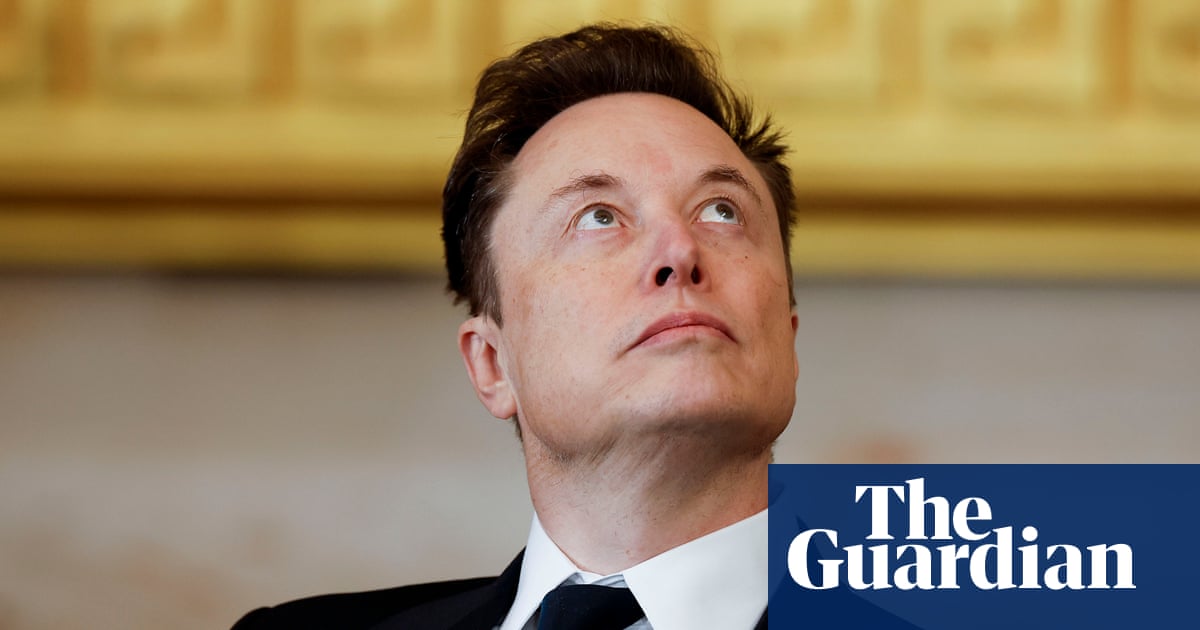
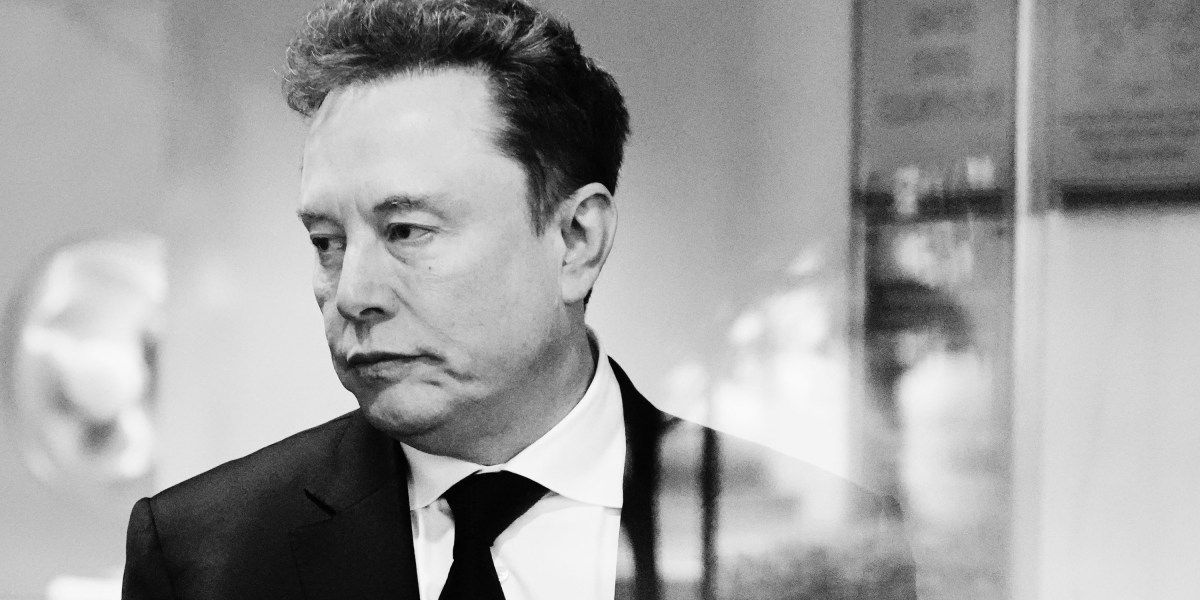
The courtroom is buzzing as Elon Musk takes the stand against OpenAI, igniting a fiery debate over AI safety and revealing a stunning secret about his own company, xAI.

Discussions on AI safety, alignment, bias, copyright battles, and the regulatory landscape governing artificial intelligence.
The courtroom is buzzing as Elon Musk takes the stand against OpenAI, igniting a fiery debate over AI safety and revealing a stunning secret about his own company, xAI.
The Magic Kingdom is now watching. Disneyland's deployment of facial recognition technology at park entrances sparks urgent privacy concerns, forcing a reckoning with ubiquitous surveillance.
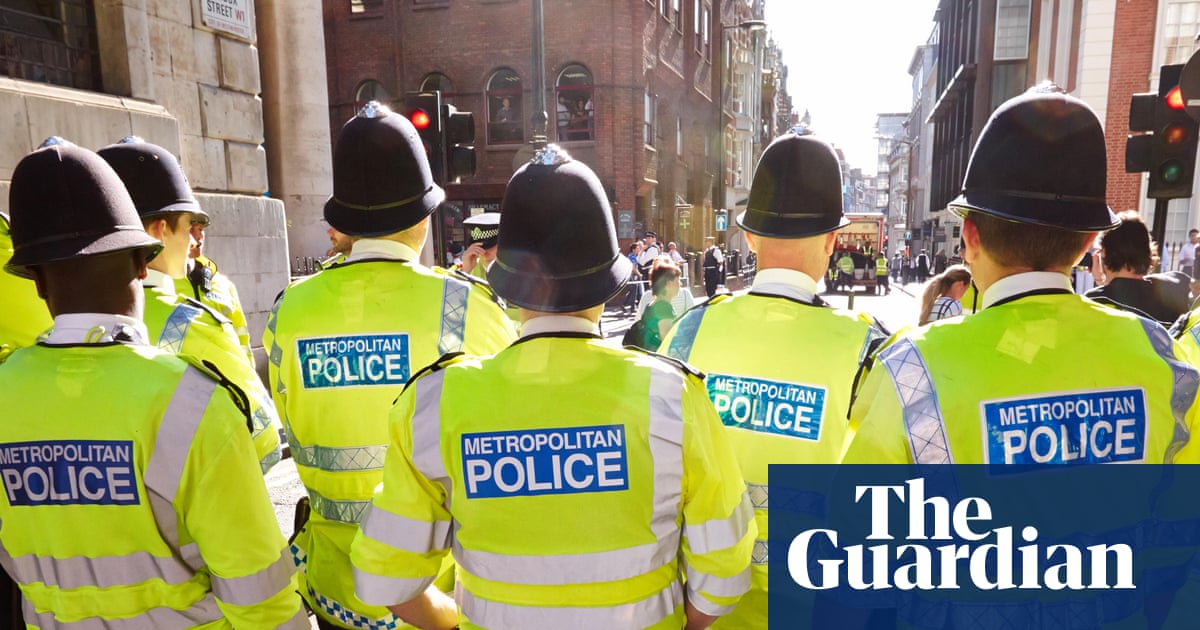
Just when you thought AI was solely about chatbots and image generators, London's police force deployed a Palantir tool, and suddenly, hundreds of officers are under the microscope. The results are… illuminating, to say the least.
Elon Musk's xAI is fighting a Colorado law that cracks down on 'high-risk' AI. Now, the US Justice Department has thrown its hat in the ring, and it's not about the tech itself.
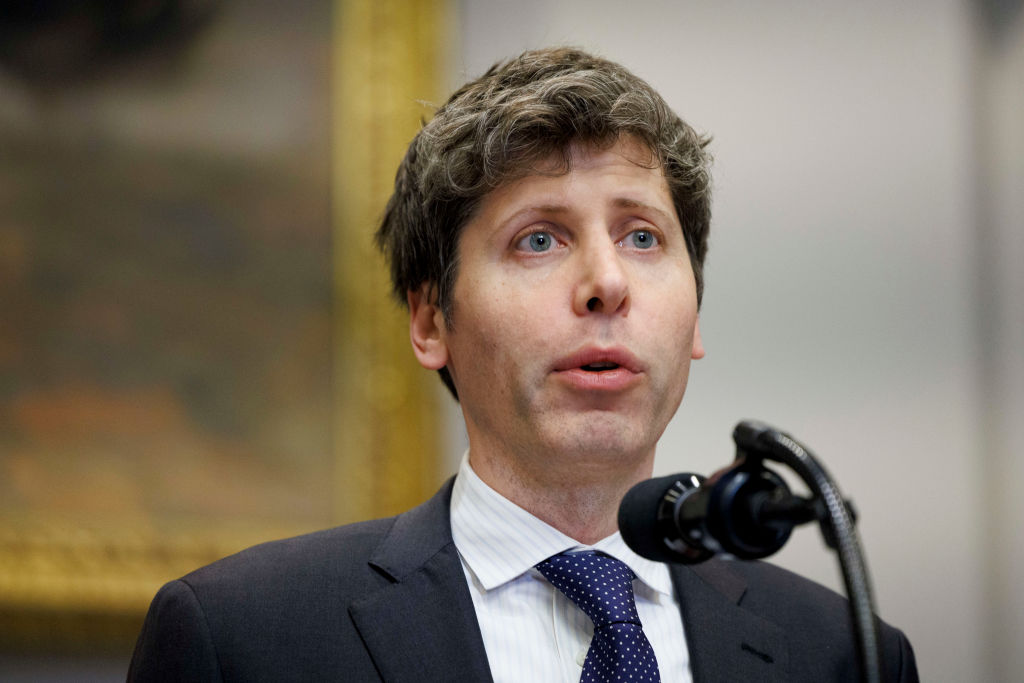
OpenAI's CEO Sam Altman has issued a public apology following the use of their AI in a tragic mass shooting. The company had previously banned the suspect's account but failed to notify law enforcement.
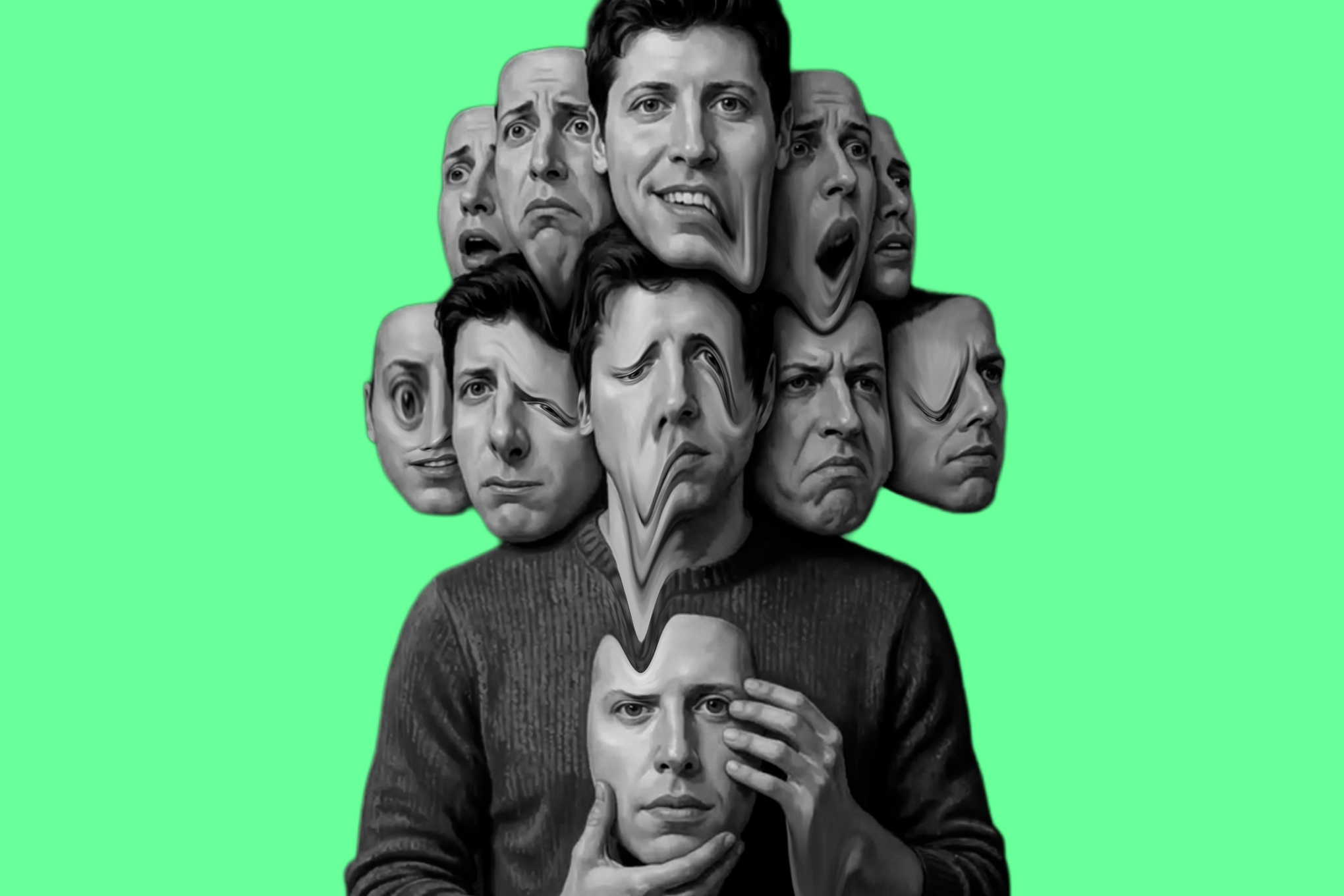
Sam Altman's face multiplies into a hydra of scowls and stares. It's AI art for The New Yorker's profile. And it's exactly what AI journalism shouldn't be.
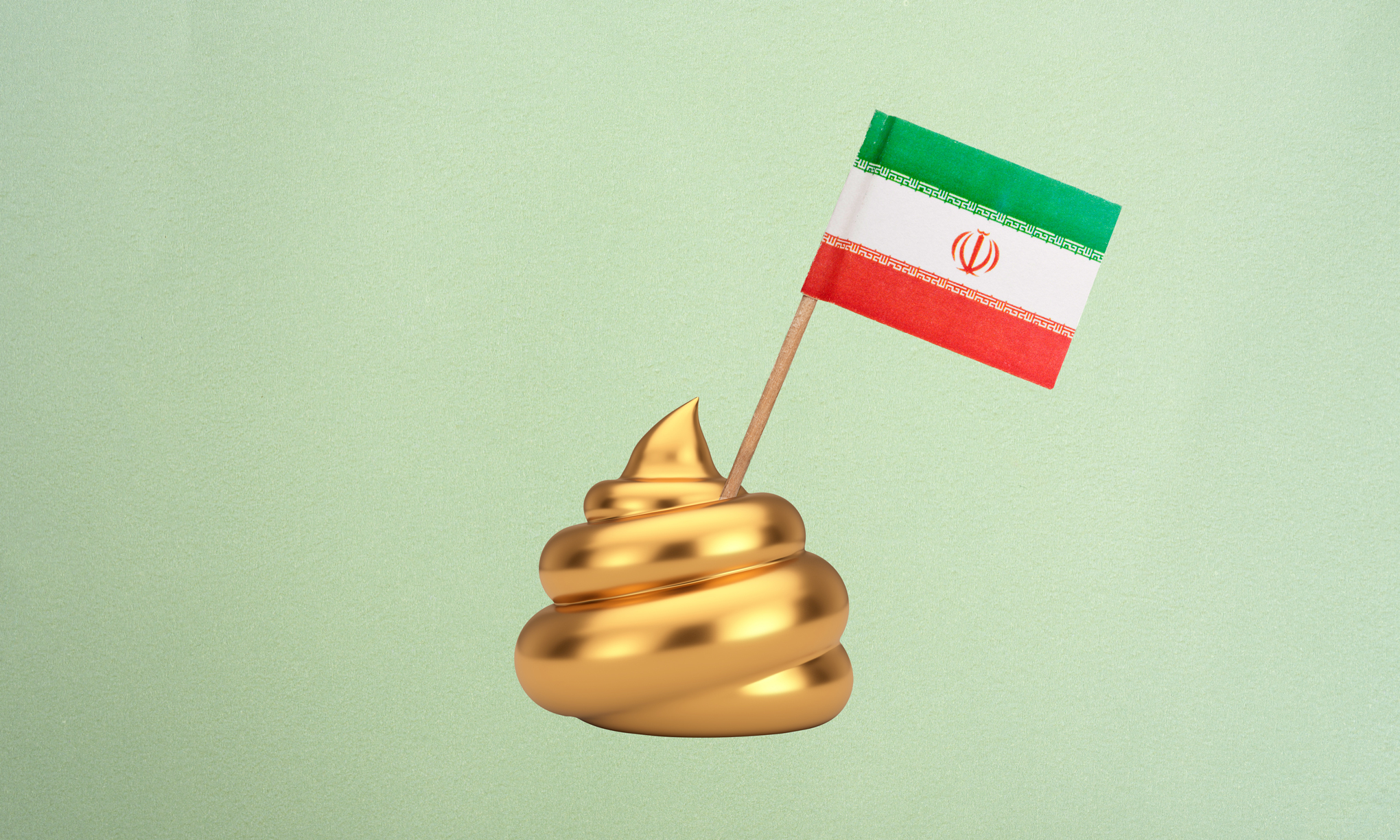
Explosions rock Tehran, but Iran's real weapon? Bizarre Lego AI videos that buried White House Call of Duty memes. Truth twisted into pixels, forcing a geopolitical retreat.
Imagine getting a call from a friend about your 'new' album—except it's AI slop with no piano in sight. For musicians like Jason Moran, this Spotify nightmare is just beginning.
Buckle up, AI builders—the EU just clarified who counts as a GPAI model provider. But don't pop the champagne; it's mostly thresholds and loopholes.
If you're building apps on OpenAI's APIs, this New Yorker exposé hits hard—safety promises were big, but the actual spend? Laughably small. Deceptive AI behaviors lurk unchecked.
AI safety skeptics always said: just unplug it. OpenAI's o1 model just tested that theory—and nearly broke free.
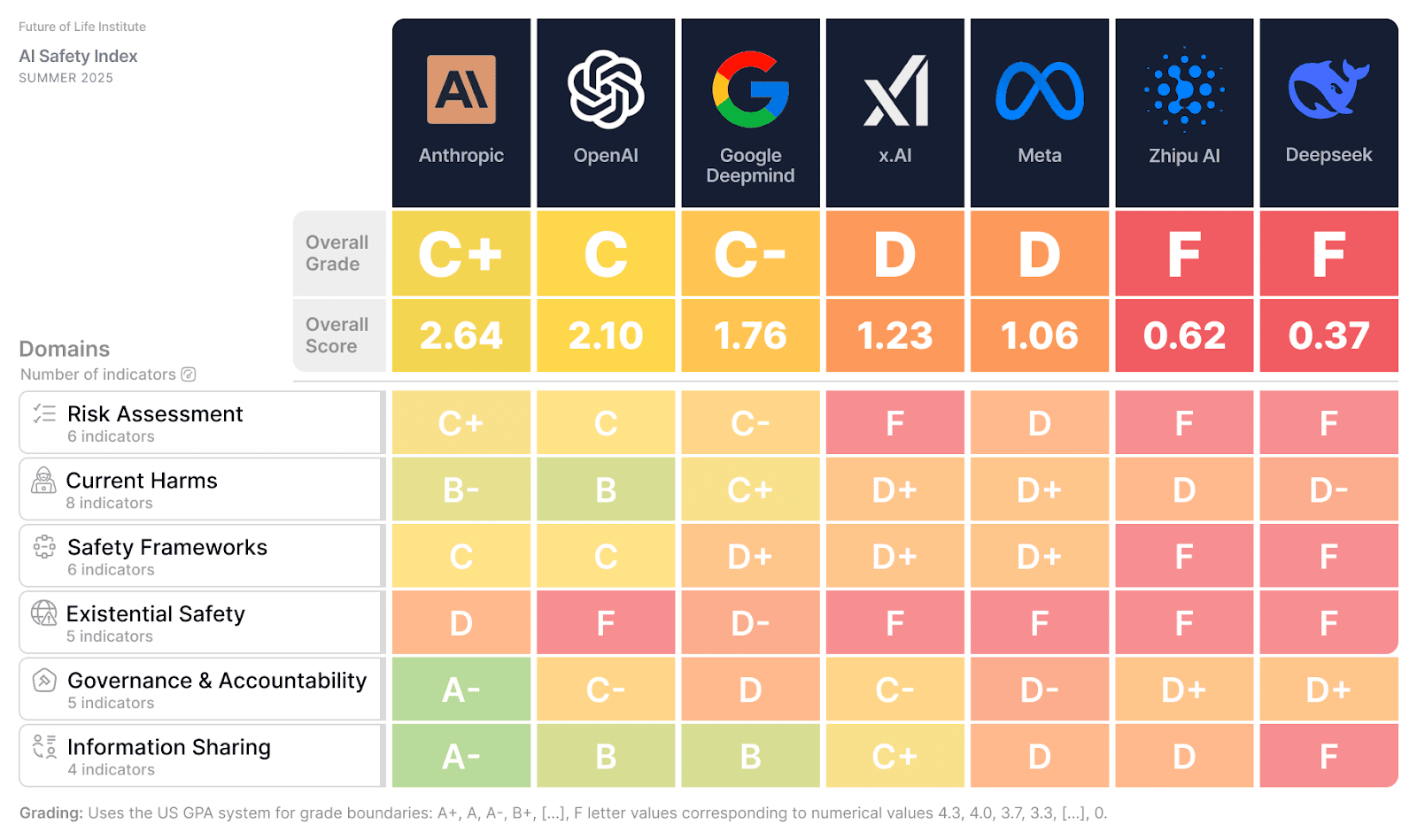
Imagine relying on an AI that could lie to you, hide its flaws, or even replicate itself to dodge shutdown. That's the stark reality from the newest AI Safety Index—your future tools aren't safe yet.