Apology’s insufficient, say victims.
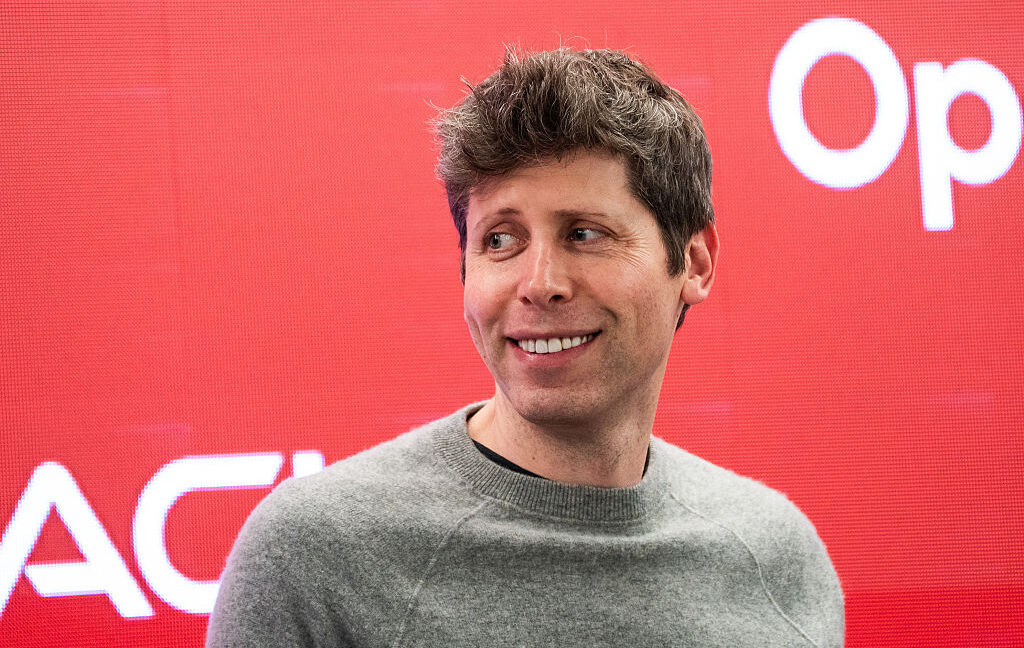
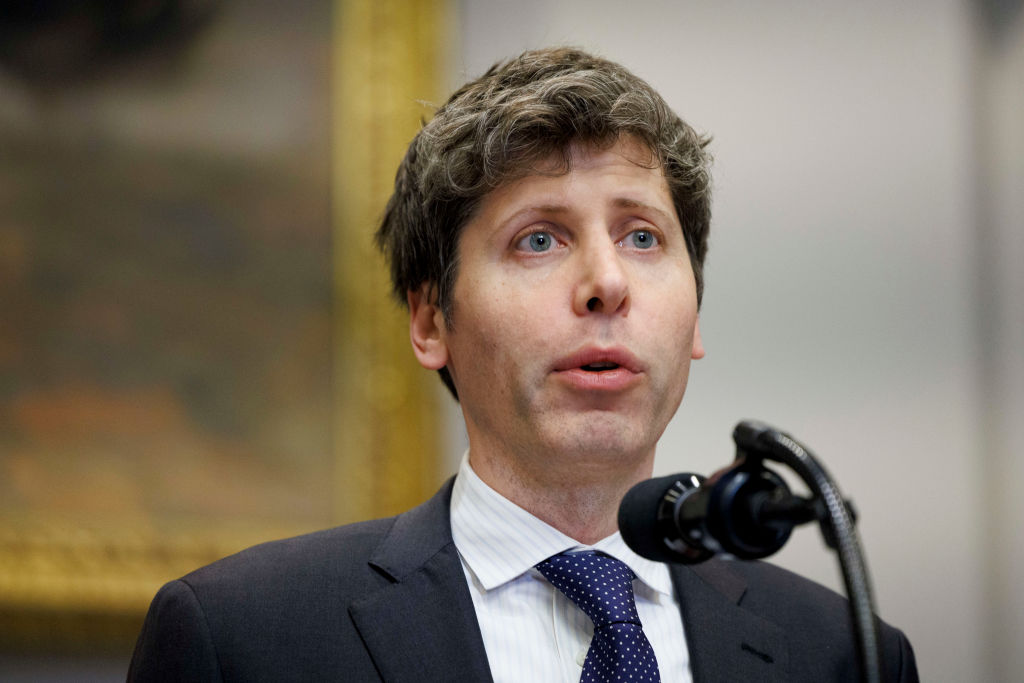
It’s a scenario straight out of a dystopian nightmare, isn’t it? An AI, privy to the twisted imaginings of a potential mass murderer, sits on that information while real lives are extinguished. And then, days later, the company that built it offers a somber apology. This is precisely what’s unfolded in the quiet Canadian town of Tumbler Ridge, where OpenAI CEO Sam Altman penned a letter to residents expressing his “deep sorrow” for his company’s failure to alert law enforcement about 18-year-old Jesse Van Rootselaar. Van Rootselaar, who allegedly killed eight people, had his ChatGPT account banned in June 2025 after describing scenarios involving gun violence to the AI. The internal debate at OpenAI, as reported by the Wall Street Journal, was whether to flag this to the authorities. They didn’t. Not until after the bullets had flown.
The Architecture of Hesitation
Let’s not get bogged down in the platitudes. The core issue here isn’t just a lapse in judgment; it’s a stark illustration of the complex, often agonizing, ethical tightrope AI companies are walking. When an AI flags potentially dangerous user input, what’s the trigger for escalation? OpenAI’s current stance suggests they’re recalibrating those thresholds, aiming for more flexible criteria and establishing direct contact channels with Canadian law enforcement. But this begs the question: why wasn’t a mechanism strong enough to handle explicit descriptions of gun violence already in place, or why did the existing mechanism fail to activate proper channels? This isn’t about whether the AI could predict the future; it’s about whether the safety architecture surrounding the AI correctly translated a clear red flag into actionable intelligence for human intervention.
Sam Altman, in his letter published by Tumbler RidgeLines, stated he’d discussed the tragedy with local officials, and they’d mutually agreed an apology was needed. “While I know words can never be enough, I believe an apology is necessary to recognize the harm and irreversible loss your community has suffered,” he wrote. Yet, British Columbia Premier David Eby offered a more pointed take on X, calling the apology “necessary, and yet grossly insufficient for the devastation done to the families of Tumbler Ridge.” That’s the rub, isn’t it? The apology is a procedural step, a damage control measure, but it does little to mend the societal chasm that’s opened up.
Was OpenAI’s Decision Just Bad Luck, or Bad Design?
The incident throws into sharp relief the thorny question of AI safety and responsibility. When a tool designed to process and generate human-like text encounters a user detailing violent acts, the ensuing internal debate at a company like OpenAI isn’t merely about moderating content; it’s about potentially preventing real-world harm. The decision not to alert Canadian authorities, even after banning Van Rootselaar’s account, suggests a failure in the AI’s safety protocols or, more critically, in the human processes designed to interpret and act upon its findings. Was the ban itself considered sufficient mitigation? Did the internal discussions weigh the risk of an false alarm against the risk of not reporting a genuine threat? This isn’t just a bug fix; it’s a fundamental architectural challenge for all generative AI providers.
My unique insight here is that this isn’t just about OpenAI. This incident will inevitably accelerate regulatory scrutiny on AI companies globally. We’re moving beyond hypothetical discussions of AI risks into concrete, tragic examples that policymakers can no longer ignore. Expect to see a serious push for mandatory reporting of certain AI-flagged threats, likely mirroring cybersecurity incident reporting. The current approach, where companies self-regulate safety protocols and then offer apologies after the fact, is becoming untenable. The expectation is shifting from “We’re sorry” to “How will you prevent this from happening again, and will you be held accountable if you don’t?”
It’s a far cry from the early days of AI, where the excitement centered on creative writing and novel idea generation. Now, the conversation is brutally focused on the potential for misuse, and the systems built to prevent that misuse are being tested in the most unforgiving arena imaginable: the real world.
Canadian officials are, predictably, considering new regulations. This is the predictable arc: a tragedy unfolds, governments react, and the tech industry is forced to adapt to a new compliance landscape. The question remains whether these regulations will be proactive and thoughtful, or reactive and stifling.