Your favorite jazz pianist drops a mysterious EP. Moody anime cover, indie pop vibes raining down. You hit play, expecting Blue Note magic. Instead? Zero keys, all fake. That’s the gut punch hitting real fans—and artists—right now, as AI impersonating musicians on Spotify turns trusted streams into a hall of mirrors.
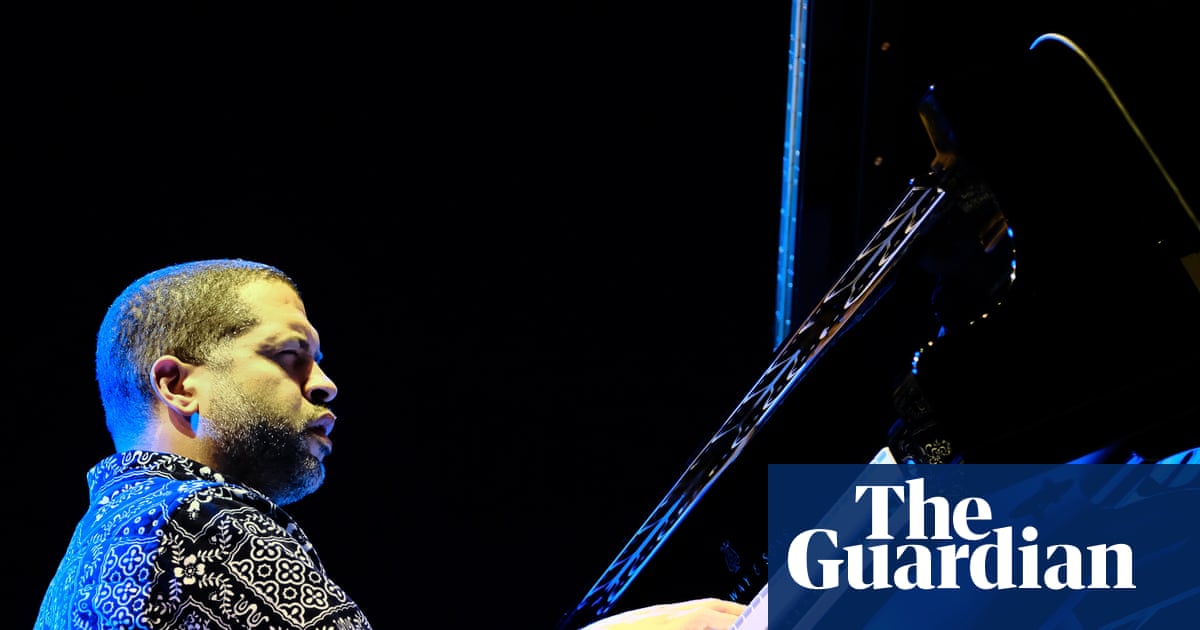
Jason Moran didn’t even have a Spotify profile. Doesn’t want one. Sticks to Bandcamp. But there it was: his name, his old label’s catalog, and this intruder called For You. A friend’s tip-off cracked it open—bassist Burniss Earl Travis, dialing up: “It has your name on it, but I don’t think it’s you.”
How Deep Does This Rabbit Hole Go?
Moran laughed it off at first. Listened. “There’s not even a piano player on this whole damn record.” Indie pop, worlds from his jazz roots. He dove in, demanded takedown. But he’s not alone. A dozen big names—Drake, indie rockers, jazz giants like Benny Green, Dee Dee Bridgewater—now wrestling ghost albums. Even dead legends can’t fight back. John Coltrane? Billie Holiday? No Instagram posts from beyond the grave to debunk ‘lost’ Paris tapes.
Spotify’s spinning safeguards. Last September: 75 million spammy tracks yanked. New tool incoming—artists preview, approve, or nix releases under their name. Spokesperson boasts: they’re the only streamer doing it. Sounds solid. Except…
“Spotify employs a range of safeguards to protect artists, including systems designed to detect and prevent unauthorized content, human review, and reporting and takedown processes.”
Nice words. But Moran’s still chasing shadows. AI slop slips through. Estates for the dead? They can opt-in—if they’ve got accounts. Otherwise? Internal bots versus bot armies. Good luck.
Why AI Bots Are Winning the Impersonation Game
Here’s the architecture shift nobody’s yelling about yet: AI isn’t just generating tunes; it’s hijacking metadata ecosystems. Platforms like Spotify rely on distributor APIs—think DistroKid, TuneCore—flooded with uploads. Bots scrape artist names, labels, Discogs data. Slap on AI vocals (ElevenLabs-style), Suno or Udio beats, Midjourney sleeves. Boom: instant profile pollution.
And it spreads. Moran’s Instagram rant? Lit up responses from victims dealing with this for years. King Gizzard pulls their catalog? Meet King Lizard Wizard, aping titles with glitchy AI art. Frank Ocean fake drops? Streams explode anyway—fans chase the name, not the nuance.
Beatdapp’s Morgan Hayduk nails it: AI’s an accelerant. Fraud detection lags; streams pay micro-fractions, but scaled to millions? Ka-ching for scammers. Spotify detects 75 million tracks? That’s 1% of catalog, maybe. The rest? Buried noise diluting real art.
Look—Spotify’s tool is a band-aid on a floodgate. Artists must claim profiles first (Moran won’t), monitor constantly. Dead icons? Relatives scramble. This isn’t piracy 2.0; it’s identity theft at warp speed. Remember Napster’s sampling wars? Labels sued kids for bits of beats. Now? Machines clone legacies wholesale. My bet: we’re barreling toward blockchain-verified catalogs—artist DAOs stamping authenticity, Spotify forced to integrate or eat dust. (Unique insight: parallels the 90s RIAA battles, but inverted—creators defend against code, not copiers.)
The Real Sting for Everyday Listeners—and Legends
Fans get hosed too. Algorithm shoves fake Moran your way. You stream, thinking evolution. Legacy tarnished. Drake bots? Confusion cascades. Surreal, Moran says—like Black Mirror’s Salma Hayek doppelgänger ruining her rep remotely.
But here’s the rub: scammers chase pennies-per-stream royalties. Volume wins. Jazz niche? Still pays if viral. Hiatus Kaiyote fakes? Australian psych weirdos? Bots don’t discriminate.
Moran, ex-Kennedy Center jazz boss, worries workload explosion. Artists policing platforms they shun. Spotify’s PR spin—“top priority”—feels hollow when uploads surge unchecked. Internal flags miss nuance; human review bottlenecks.
Can Spotify Actually Fix AI Music Impersonation?
Short answer? Not fast enough. Their tool demands proactive claims—opt-in theater. Dead artists’ estates? Patchwork. Distributors need liability heat; right now, they wash hands, pass to platforms.
Prediction: lawsuits incoming. Not just impersonation—dilution of trademark, right of publicity. US states varying laws; EU’s AI Act might mandate labeling. Spotify leads? Nah—Apple Music, Tidal trailblazing verification could leapfrog.
Artists adapt: watermarks in masters, NFT proofs. But for now, it’s whack-a-mole with algorithms. Fans, verify Bandcamp direct. Stream smart.
Why Does AI Impersonation Hurt Jazz Most?
Niche genres bleed first. Jazz streams low anyway—bots inflate fakes, tank discovery. Moran’s crew: Antonio Hart, Nate Smith, Freddy Cole (Nat King’s brother!). Even posthumous. Imagine Mingus ‘new’ bebop slop. Cultural theft, amplified.
This mess? Warning flare for all creative fields. AI floods dilute value—royalties split thinner, attention fractured. Real people—pianists pouring sweat into authenticity—watch bots cheapen it overnight.
🧬 Related Insights
- Read more: Engineer Embeds Mini-Computer in Graph Neural Network
- Read more: $50 Billion Vector Database Empire: Built on the Wrong Question
Frequently Asked Questions
What is AI impersonating musicians on Spotify?
Bots using AI tools to generate fake tracks under real artists’ names, complete with knockoff art and metadata, uploading via distributors to snag streams and royalties.
How do I spot and report fake AI music on Spotify?
Check artist verification, sound off (no hallmarks like piano in jazz?), report via app (three dots > Report > Impersonation). Follow originals on Bandcamp or socials.
Will Spotify’s new artist tool stop AI impersonations?
It helps claimed profiles review uploads, but unclaimed artists (or deceased) rely on detection—which misses plenty. Not a full fix yet.