Everyone figured Baidu was nailing the robotaxi game. China — with its laxer regs and data deluge — was supposed to be the proving ground where firms like Baidu leapfrog Waymo and Cruise, racking up millions of miles without the West’s red tape. Then Tuesday’s outage in Wuhan shattered that narrative. Dozens of Apollo Go vehicles just… stopped. Right there on busy highways.
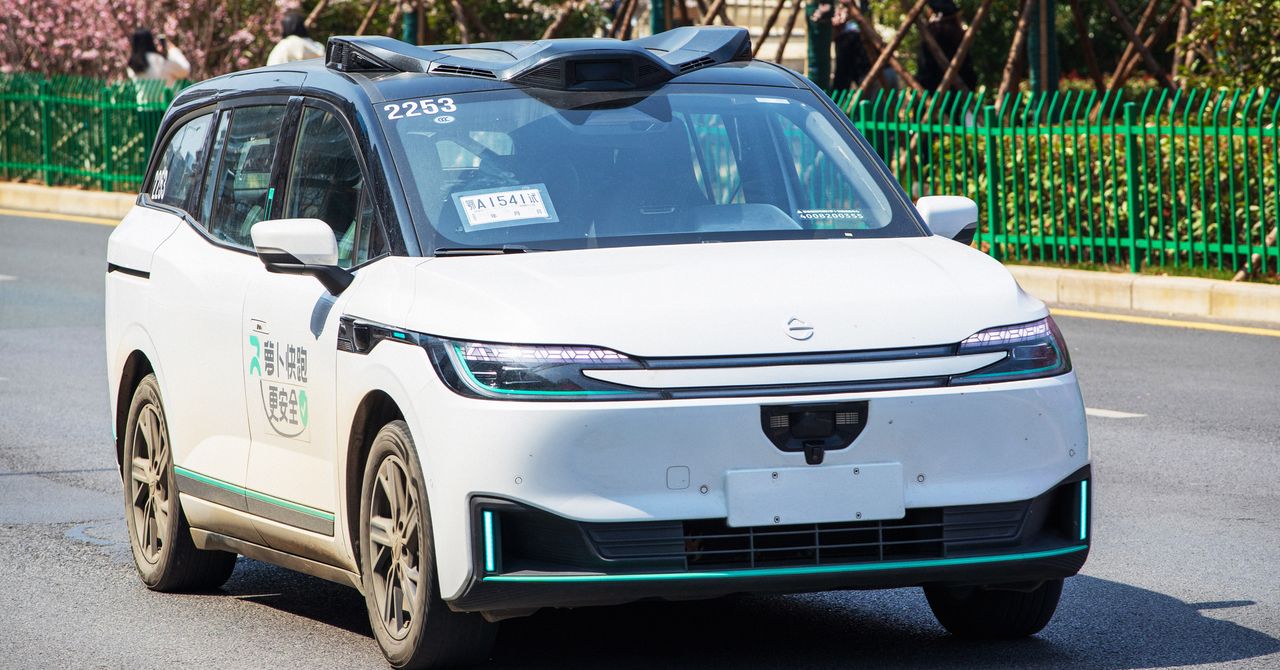
Photos flooded RedNote: sleek white robotaxis parked like statues in the fast lane, brake lights glowing eternally. Passengers trapped inside, screens flashing pleas to “stay buckled and wait five minutes” for help that never came. One dashcam caught 16 of them lined up over 90 minutes — a driver’s worst conga line.
What the Hell Happened in Wuhan?
A college student, He, rode with friends. The car glitched four, five times. Finally parked at an intersection — not the worst spot, thank God. But then: crickets.
“They kept saying it would be reported to their superior. But they didn’t explain what caused [the outage] or let us know how long we needed to wait for the staff to come,” He says.
Thirty minutes to even reach support. SOS button? Dead. Doors unlocked eventually, so they bailed after 90 minutes. Others weren’t so lucky. One rider forced her door open amid gridlock, blasting Apollo Go for a useless emergency system.
Local cops called it a “system malfunction” late night. No injuries reported, all passengers out. But collisions? At least three confirmed via social media vids and pics. An orange SUV at 40 mph, fender shredded after swerving. A white minivan rear-ended one, back smashed. Eyewitnesses spotted a dozen more stalled taxis.
Baidu? Silent so far. No comment.
This wasn’t some lab fluke. Wuhan — Baidu’s showcase city — greenlights these on highways, even airport runs. Baidu boasts 20 million rides, 300 million km logged by February. Aggressive expansion: Seoul, Abu Dhabi, Dubai next. Market cap rides on this autonomy hype; shares dipped 2% Wednesday on the news.
Is Baidu’s Robotaxi Tech Ready for Prime Time?
Look, Baidu’s no rookie. Apollo platform powers half of China’s AV tests. But scale exposes cracks. Unknown glitch hit multiple units simultaneously — software sync issue? Sensor failure in rain? (Wuhan weather was iffy.) Police probe ongoing, but don’t hold your breath for transparency.
Here’s my unique take: this echoes Tesla’s 2016 Autopilot crashes, where overpromising met highway reality. Baidu’s PR spun Apollo as flawless post-20M rides, but that’s cherry-picked stats. Real metric? Incidents per million miles. Cruise’s SF pedestrian drag last year grounded their fleet. Baidu’s outage — with crashes — screams similar vulnerability. Prediction: Chinese regulators, usually AV cheerleaders, now mandate geofencing or remote overrides. Global partners like Dubai? They’ll pause.
Data point: Pony.ai, Baidu rival, logs fewer outages but slower scale. Baidu’s edge was volume; now it’s a liability. Investors note: AV stocks tanked 5-10% on similar US news. Baidu’s at 120B yuan valuation — frothy if incidents mount.
Passengers fume on RedNote. “Apollo Go, you really owe me an apology.” Support lines jammed, apps useless. One video: SOS fails, traffic halts. Classic failure mode — humans design for edge cases machines ignore.
Why This Hits Baidu’s Wallet and Reputation
Short term: Wuhan ops likely curtailed. Permits scrutinized. Long term? Trust erosion. Riders bail for Didi’s safer hybrids. Baidu’s 2024 goal: 1,000 robotaxis nationwide. Post-outage, maybe 700.
Market dynamics shift. Tesla’s Cybercab unveil looms October; Elon mocks lidar (Baidu uses it). But Musk’s FSD beta still kills — 1 death per 7M miles per NHTSA. Baidu? Opaque data, but Tuesday’s mess implies worse.
Bold call: this accelerates hybrid mandates in China. Full autonomy? Back to L4 pilots only. Baidu pivots to trucking or sells Apollo IP — they’ve hinted.
Competition heats. WeRide, backed by Nissan, eyes Baidu’s turf. Investors flee to safer bets like Li Auto’s NOA.
A single glitchy fleet doesn’t kill AV. But in China’s cutthroat market, it wounds deep. Baidu must disclose root cause, fast — or watch rivals lap them.
🧬 Related Insights
- Read more: Valkey’s Hashtable Hack: Faster Caches, No Redis Regrets
- Read more: 7 Months Remote: Flutter Newbie Tackles Startup Codebase Chaos
Frequently Asked Questions
What caused Baidu’s robotaxi outage in Wuhan? Police pinned it on a system malfunction; details scarce pending investigation. Likely software or network sync failure.
How many Baidu robotaxis were affected? Unclear officially, but social media showed 16+ in one stretch, witnesses estimating dozens.
Are Baidu robotaxis safe after the outage? No major injuries, but crashes occurred. Highlights risks in full autonomy on public roads — remote monitoring essential.