TLP Seq=43 hurtles across the PCIe link—perfectly formed, or so it thinks. CRC check fails. Disaster averted: NAK zips back, transmitter replays from the buffer. Chaos contained in milliseconds.
That’s the PCIe Data Link Layer (DLL) flexing its muscles, right in the heat of battle. You’re knee-deep in a GPU crunching AI models, terabytes flying between CPU and accelerator. Without this layer? Corrupted packets, out-of-order hell, buffer overflows crashing your rig. But zoom out: PCIe isn’t just wires—it’s a layered fortress, Transaction Layer crafting packets, Physical Layer shoving bits onto lanes, and DLL? The reliability cop in between.
What Makes PCIe Data Link Layer Tick?
Transaction Layer spits out TLPs—your read requests, writes, completions. DLL grabs ‘em, slaps on a 12-bit sequence number, computes a 32-bit LCRC over the whole shebang, and queues a copy in its Replay Buffer. Off it goes to PHY.
Receiver side? PHY delivers the package. DLL recomputes LCRC—match? Sequence expected? Golden. Strip the extras, hand to Transaction Layer, fire an ACK DLLP. Cumulative, too: ACK(42) means 0 through 42 are solid.
Mess up? Bad CRC or wrong seq—NAK DLLP blasts back. Transmitter replays everything unacked from that point. Lose an ACK? Timeout triggers full replay. It’s like TCP over hardware, but screaming at 64 GT/s per lane in PCIe 6.0.
The Data Link Layer (DLL) ensures reliable communication between directly connected devices.
Boom—straight from the spec vibes. DLLPs, those tiny control packets (1-byte type, 3-byte payload, 2-byte CRC), sneak in idle times between TLPs. ACKs, NAKs, flow control updates—all invisible to upper layers.
Picture the Replay Buffer: a conveyor of recent TLPs, Seq=40,41,42 hanging out. ACK(41) slides 40 and 41 off. NAK(43)? Replay 43 onward, buffer refills. Simple, brutal, effective.
How Does Error Recovery Actually Work in PCIe DLL?
Let’s walk a meltdown. EP sends Seq=41,42 OK. 43? CRC poison. RC ACKs 42 cumulative, NAKs 43. EP replays 43, sends 44. RC ACKs 44. Link healed, no app-layer hiccup.
Timeout safety net: no ACK in time? Assume lost, replay all. ACK lost itself? Same fix. It’s resilient, like email retries on steroids.
But here’s my twist—no one says this: PCIe DLL echoes early Ethernet’s CRC-plus-retry, but scaled to hyperscale. Remember CSMA/CD collisions? Gone in switched Ethernet; PCIe ditched shared buses for point-to-point. DLL? The evolved sentinel, prepping us for CXL’s memory fabric where AI clusters pool petabytes. Bold call: without DLL’s rock-solid retry, coherent AI domain memory stays sci-fi.
Flow control seals it. Credit-based, no overflows. Receiver advertises credits: Header (1 TLP header), Data (4 DWORDs). Posted (writes), Non-Posted (reads), Completions—separate pools, deadlock-proof.
Init sequence post-link-up: InitFC1 advertises credits, InitFC2 confirms. Then unleash.
| Credit Type | Space |
|---|---|
| Header Credit | 1 credit = space for 1 TLP header |
| Data Credit | 1 credit = space for 4 DWORDs of TLP Data |
Dense? Yeah. But it prevents your NVMe drive from choking on writes.
Why Should Developers Care About PCIe Data Link Layer?
You’re slinging CUDA kernels, fine-tuning LLMs. PCIe lanes bottleneck? DLL hums underneath, lossless. Gen5/6 SSDs hit 14/28 GB/s? DLL’s ACK/NAK loop—under 100ns retries—keeps it pure.
Skeptical? Vendor PR spins ‘infinite bandwidth.’ Nope—DLL enforces reality. My insight: as AI shifts platforms (GPUs as the new CPU), DLL evolves too. PCIe 7.0? 128 GT/s PAM4, but DLL’s core? Eternal. Predict: CXL 3.0 swaps PCIe DLL tricks for fabric-scale reliability, birthing disaggregated AI farms.
Short para. Vital.
DLLPs? Low-overhead heroes. Sent in symbol idle slots—no lane waste.
| Type | Purpose | When Sent |
|---|---|---|
| ACK | Ack received TLPs up to a given Seq | After good Rx |
(Truncated in source, but you get it.)
Wonder spikes here: in a world of quantum threats, DLL’s LCRC—hardware-fast—beats software checks. Energy? PCIe slurps watts; DLL’s efficiency? Underappreciated gem.
Four sentences unpacking. Then:
Replay buffers guzzle SRAM—tradeoff for speed. But in servers? Worth it.
Is PCIe Data Link Layer Ready for AI’s Data Deluge?
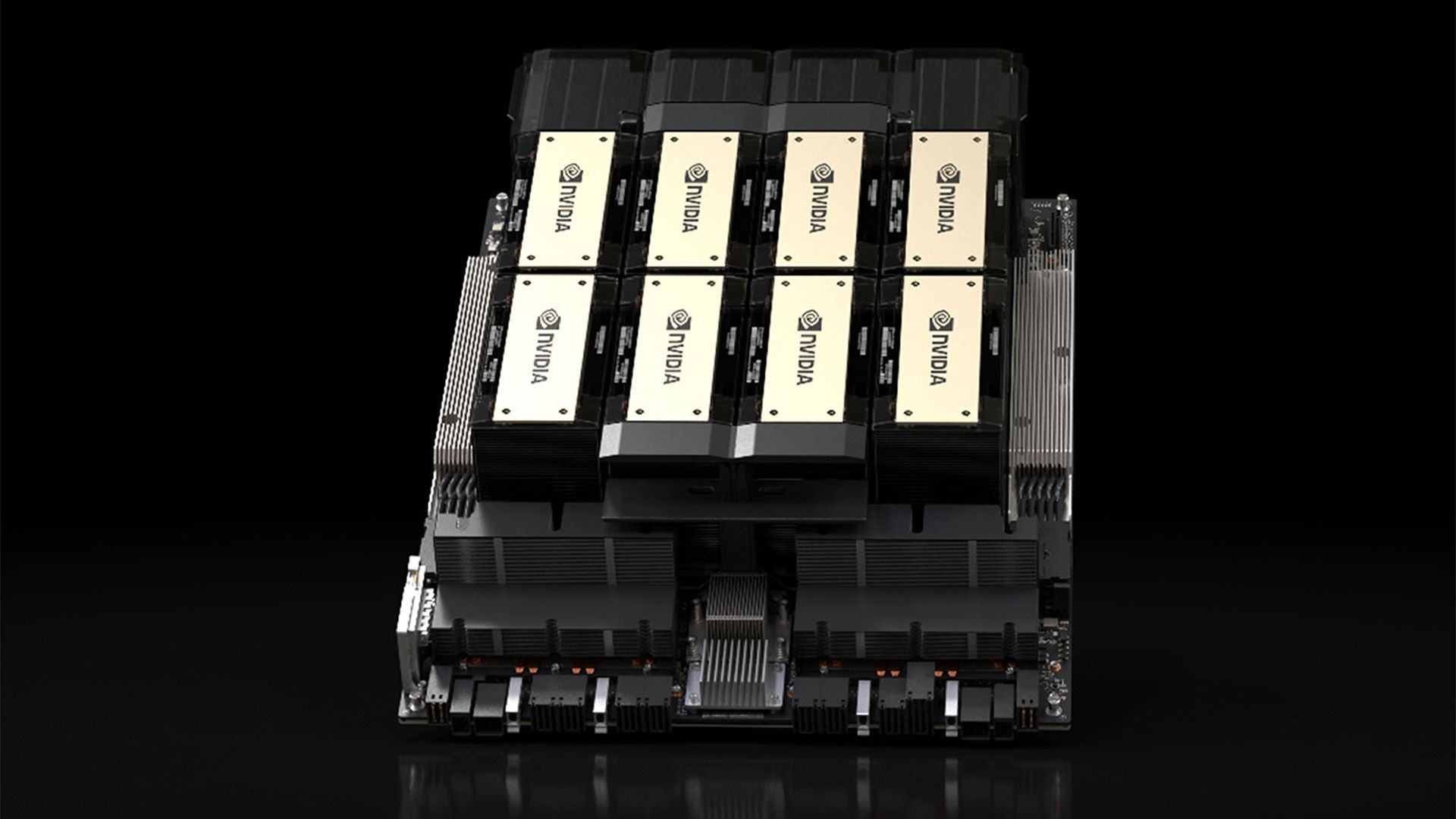
Absolutely. H100s chain via PCIe—DLL swallows petabit floods, retries invisible. Critique: Intel/AMD hype ‘lossless fabrics,’ but DLL’s the proven core. Historical parallel: TCP tamed Internet chaos; DLL tames datacenter lanes. Without it? AI training grinds to corrupt halt.
Deep dive done. Pace yourself.
Flow control init—link up, DLLPs fly, credits sync. Deadlock dodged via Posted/Non-Posted split.
| Credit Pool | Used For | Completion Expected? |
|---|---|---|
| Posted (P) | Memory Write, Messages | No |
| Non-Posted (NP) | Memory Read | Config Read/Write |
| Completion (Cpl) | Completions | No |
Elegant.
Single line para. Punch.
Expansive close: PCIe DLL isn’t glamour—it’s plumbing. But as AI platforms erupt, this layer’s the floodgate. Miss it? You’re blind to why your rig sings (or sputters).
🧬 Related Insights
- Read more: Claude’s Secret Weapon: Forging Bulletproof Synthea Modules Without Hallucinated Codes
- Read more: Why Devs’ Best Tools Die While Dead-Simple Ones Dominate
Frequently Asked Questions
What is PCIe Data Link Layer?
It’s the middleman ensuring TLPs arrive intact, ordered, error-free via seq numbers, LCRC, ACK/NAK, replays.
How does PCIe DLL handle packet loss?
NAK triggers replay from buffer; timeouts force full unacked replay. Cumulative ACKs keep it efficient.
Why is flow control needed in PCIe?
Prevents overflows—credits track buffer space, separate for headers/data/traffic types, init post-link-up.