After decades of incremental progress confined to research laboratories, humanoid robots are entering a period of rapid acceleration. Fueled by breakthroughs in artificial intelligence, advances in actuator technology, and billions of dollars in venture capital, a new generation of companies is racing to build robots that can navigate human environments, manipulate objects with human-like dexterity, and eventually integrate into workplaces and homes. The question is no longer whether humanoid robots will become practical — it is how soon and in what contexts.
Why Humanoid Form Factor?
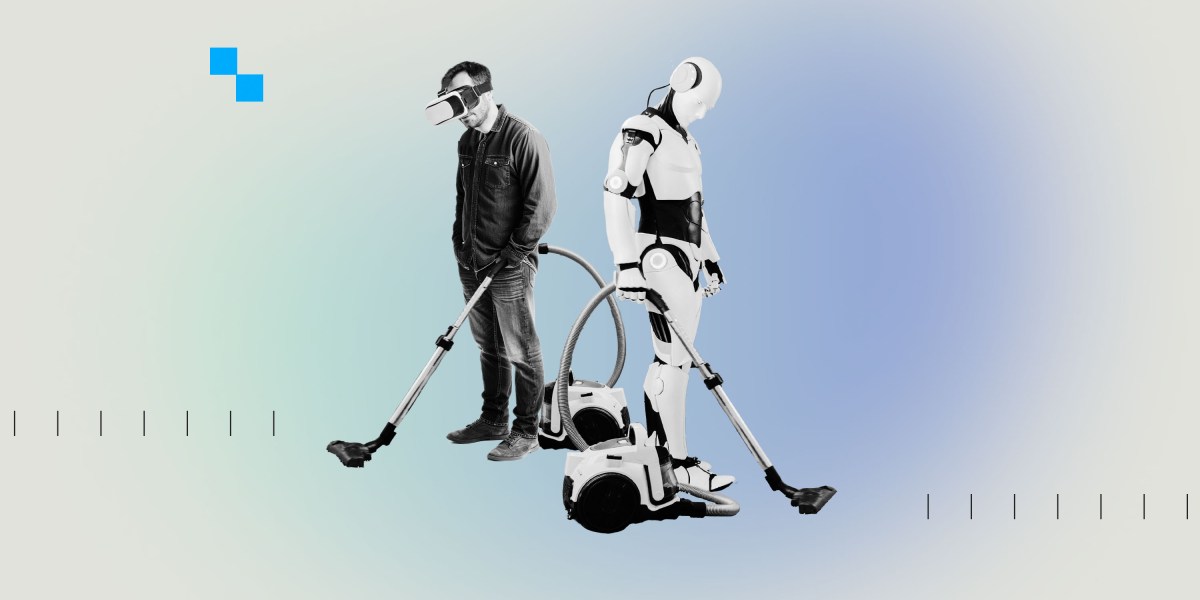
The decision to build robots in human form is not driven by aesthetics or science fiction nostalgia. It is a pragmatic engineering choice rooted in compatibility. Human environments — offices, warehouses, homes, and factories — are designed around human proportions and capabilities. Stairs, doorways, tools, vehicles, and workstations all assume a bipedal operator of roughly human size with two arms and hands capable of fine manipulation.
Building robots to match this form factor means they can operate in existing environments without expensive infrastructure modifications. A humanoid robot can use the same tools, navigate the same spaces, and perform the same physical tasks as a human worker. This compatibility advantage grows more significant as robots move from controlled factory settings into the unpredictable complexity of everyday environments.
Key Players in the Race
Tesla Optimus
Tesla's entry into humanoid robotics leverages the company's existing expertise in AI, computer vision, and manufacturing. The Optimus robot uses the same neural network architecture and training infrastructure developed for Tesla's autonomous driving program. By mid-2025, Tesla had demonstrated Optimus performing warehouse sorting tasks and simple assembly operations. Tesla's manufacturing scale gives it a potential cost advantage — the company has stated its goal of producing Optimus units for under $20,000, a price point that would make humanoid robots economically competitive with human labor in many contexts.
Figure AI
Figure AI has attracted significant investment from major technology companies and has partnered with OpenAI to integrate advanced language models into its Figure 02 robot. This partnership enables the robot to understand and respond to natural language instructions, making it more intuitive to direct than robots requiring specialized programming. Figure has focused on commercial deployment, with pilot programs in BMW manufacturing facilities demonstrating the robot's capability in structured industrial environments.
Boston Dynamics Atlas
Boston Dynamics has the longest track record in advanced robotics, with its Atlas platform demonstrating parkour-level agility that remains unmatched by competitors. The company's transition from hydraulic to electric Atlas represents a pivot toward commercial viability. Under Hyundai's ownership, Boston Dynamics is positioning Atlas for automotive manufacturing and logistics applications where its superior mobility provides a clear advantage.
Agility Robotics Digit
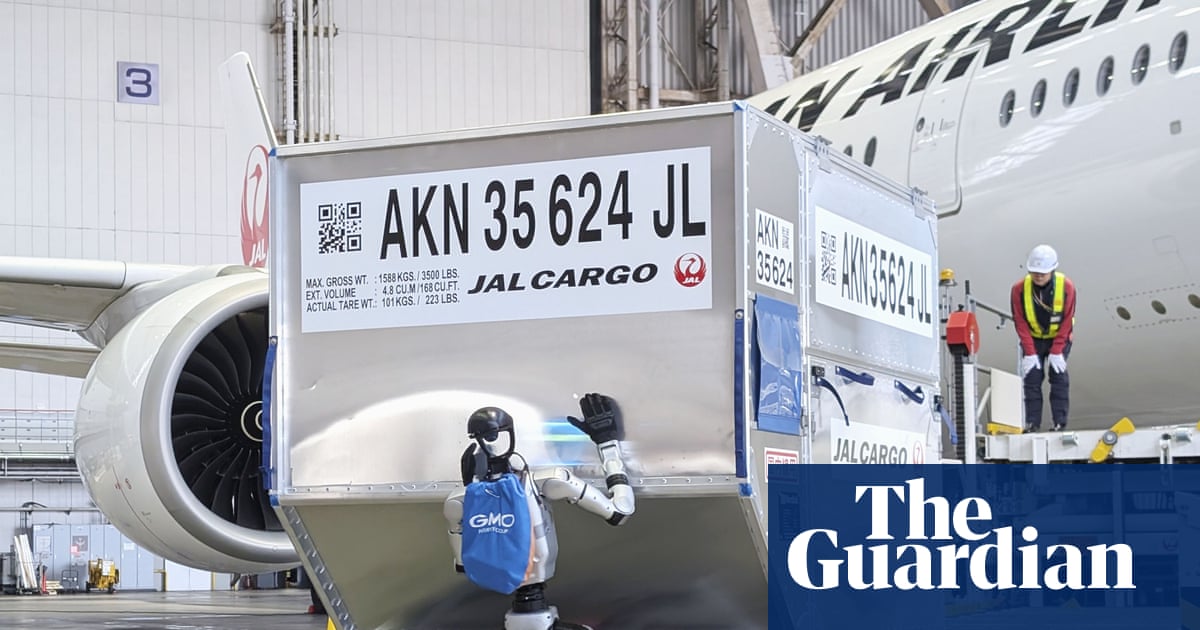
Agility Robotics has taken a different approach with Digit, designed specifically for logistics and warehouse operations. With a partnership with Amazon for warehouse deployment, Digit focuses on practical, repetitive tasks rather than general-purpose capability. This narrow focus has allowed Agility to move faster toward commercial deployment than competitors pursuing broader capability.
Other Notable Entrants
The field includes several other serious contenders. Sanctuary AI's Phoenix robot emphasizes general-purpose intelligence through its proprietary Carbon AI system. 1X Technologies, backed by OpenAI, is developing its NEO humanoid for home environments. Chinese companies including Unitree, Fourier Intelligence, and UBTECH are also making rapid progress, often at lower price points.
Core Technologies Enabling Progress
Foundation Models for Robotics
Perhaps the most significant enabler of recent progress is the application of large-scale AI models to robotics. Foundation models trained on vast datasets of text, images, and video are being adapted to understand physical environments, plan actions, and learn from demonstrations. Google DeepMind's RT-2 model, which translates visual observations directly into robot actions, exemplifies this approach. These models enable robots to generalize from limited examples to novel situations — a capability that traditional robotic programming could never achieve.
Advanced Actuators and Hardware
Hardware improvements are equally critical. New actuator designs deliver higher torque-to-weight ratios, enabling robots to be both strong and lightweight. Improvements in battery density allow longer operational periods. Custom-designed chips optimized for robotic inference enable faster decision-making with lower power consumption. Advances in tactile sensing give robot hands a sense of touch that enables delicate manipulation tasks.
Simulation and Sim-to-Real Transfer
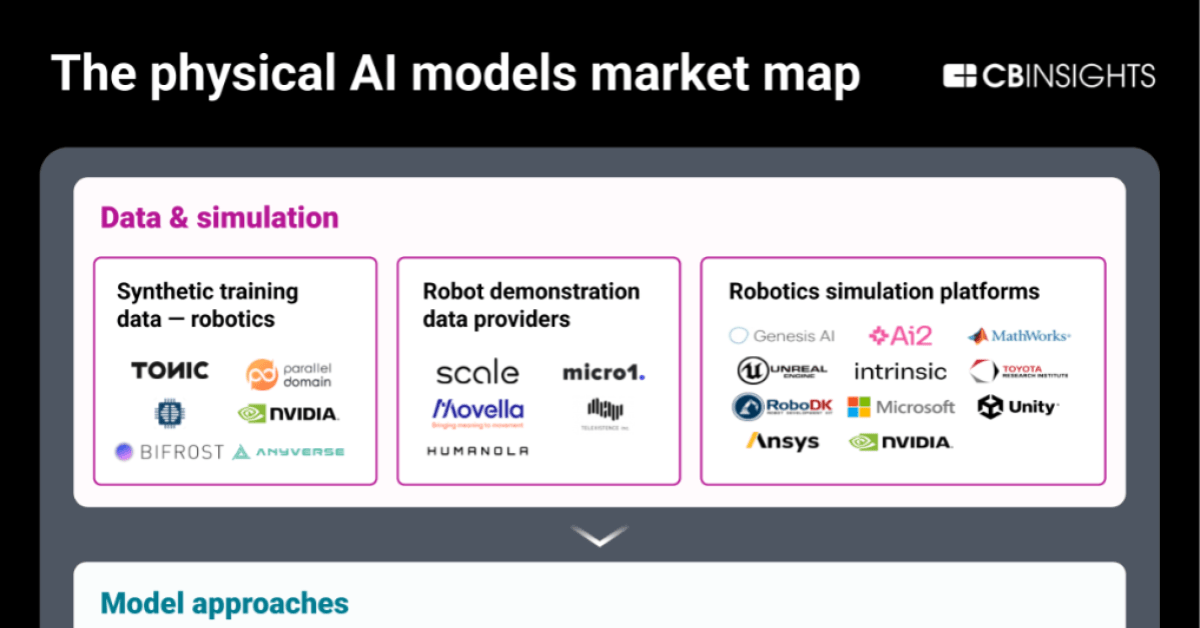
Training robots in physical environments is slow, expensive, and limited by safety constraints. Simulation environments allow robots to practice millions of interactions in virtual worlds before transferring learned behaviors to physical hardware. Advances in physics simulation accuracy and domain randomization techniques have dramatically improved how well behaviors learned in simulation translate to real-world performance.
Realistic Deployment Timeline
Despite impressive demonstrations, mass deployment of humanoid robots faces substantial remaining challenges. Based on current trajectories and expert assessments, a realistic timeline emerges.
2025-2027: Limited deployment in controlled environments. Humanoid robots will work alongside humans in warehouses, manufacturing plants, and logistics centers, performing repetitive and physically demanding tasks. These deployments will be closely supervised and limited to specific, well-defined workflows.
2027-2029: Expanding industrial deployment. As reliability improves and costs decrease, humanoid robots will handle a broader range of industrial tasks with less supervision. Early commercial service applications — such as hotel housekeeping or retail inventory management — may begin pilot programs.
2029-2032: Service sector and early home applications. Robots capable of navigating unstructured environments and performing varied tasks could begin appearing in healthcare facilities, elder care settings, and affluent households. Costs will still limit mass consumer adoption.
2032 and beyond: Broader adoption contingent on cost reduction, regulatory frameworks, and social acceptance. Mass consumer availability at affordable price points remains the most uncertain milestone.
Challenges Ahead
Several significant obstacles remain. Dexterity continues to lag: human hands perform manipulations of extraordinary complexity that robots cannot yet match. Battery life limits operational hours, with most current humanoids operating for only two to four hours before requiring a recharge. Robustness in unstructured environments remains difficult — the gap between controlled demonstrations and messy real-world conditions is still wide. Regulatory frameworks for robots operating alongside humans are still nascent. And social acceptance of humanoid robots in workplaces and homes will require careful navigation of concerns about job displacement, safety, and privacy.
Despite these challenges, the convergence of AI capability, hardware maturity, and massive investment suggests that humanoid robots will become a meaningful presence in specific commercial contexts within the next few years, with broader adoption following over the subsequent decade.