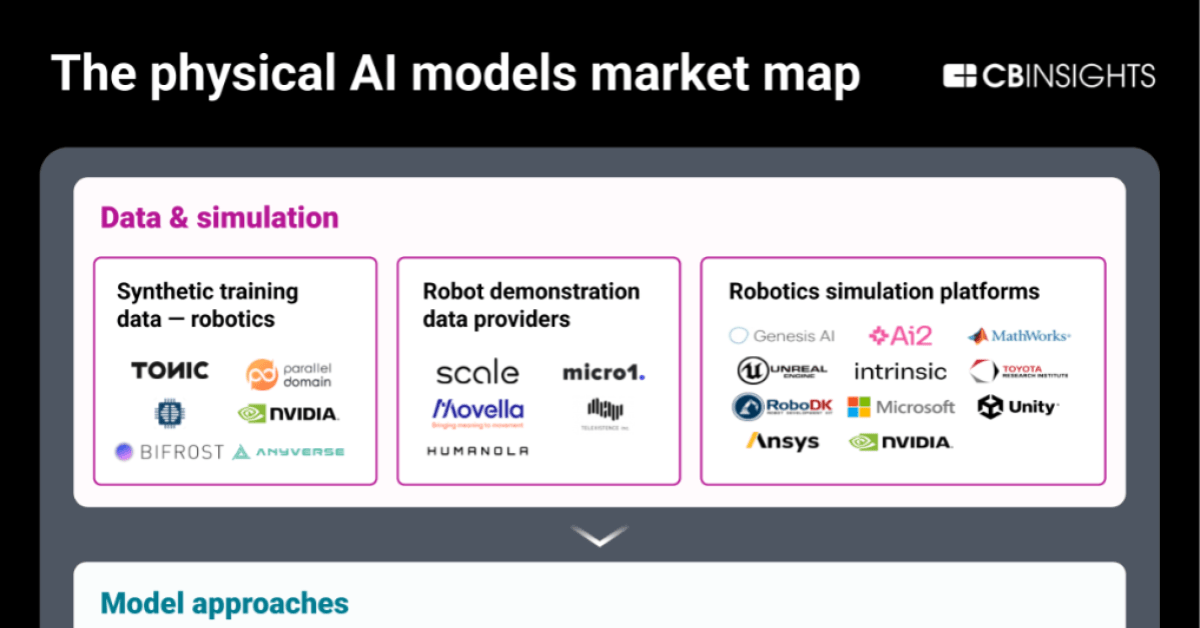
Thousands. That’s how many gig workers Micro1 has signed up across more than 50 countries—from Nigeria to India to Argentina—to capture the mundane magic of human movement.
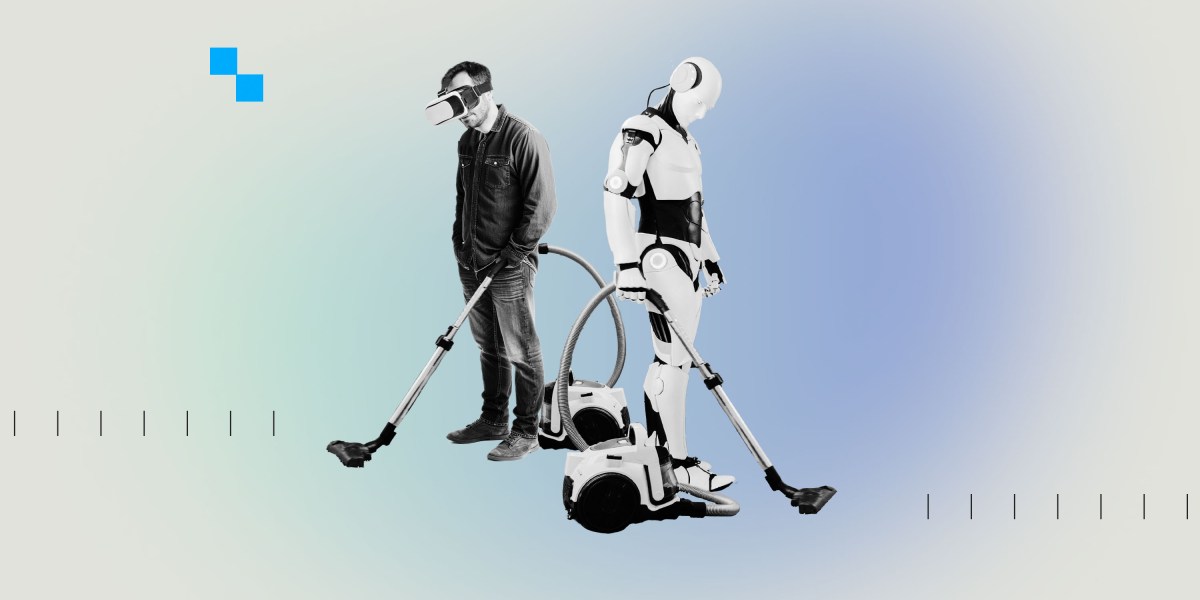
Zeus, a med student in Lagos, doesn’t crash on the couch after hospital shifts. No—he rigs his iPhone to his forehead, hits record, and folds laundry, chops onions, or navigates his cramped apartment like it’s a stage. These clips? Gold for robotics labs building the next wave of humanoids.
Why Gig Workers Became Robot Trainers Overnight
Here’s the thing: humanoid robots aren’t learning from sterile lab demos anymore. They’re starving for embodied data—raw footage of real bodies in real chaos. Tesla’s Optimus, Figure’s bots, Boston Dynamics’ latest—they all need it to mimic us without tripping over thresholds or fumbling mugs.
Micro1 sells this footage to those firms. Pays decent locally—$10-20/hour in places where that’s a windfall. But strap a phone to your dome and film your private space? That’s intimate. Creepy, even.
And the workers? They grind through ‘weird’ tasks dictated by apps: mimic a limp, pour water one-handed, or dance awkwardly. One told reporters it’s ‘challenging—and weird.’ Understatement.
A single punch: Privacy’s the first casualty.
Is This the New Mechanical Turk for Physical AI?
Remember Amazon’s MTurk? Invisible armies labeling pixels for self-driving cars. This is that, but 3D. Bodies over bits. My take—the unique angle you’re not reading elsewhere: it’s the gig economy’s dark echo of 19th-century Taylorism, where ‘scientific management’ turned humans into efficiency machines. Now, we’re all data factories for silicon overlords, but remote, borderless, unregulated.
Micro1’s model scales insanely. No warehouses, no visas—just an app, a smartphone, a lived-in room. Firms get diverse datasets: African apartments, Indian kitchens, Argentine streets. Beats scripted actors in green-screen studios.
But consent? Spotty. Workers sign up knowing they’re feeding robots, sure. Yet who owns clips of your kid’s toys in the background? Or that family argument half-caught on mic? Thorny doesn’t cover it.
“As these companies race to build humanoids, videos from workers like Zeus have become the hottest new way to train them.”
—Michelle Kim, reporting for MIT Technology Review.
Bold prediction: By 2026, this hits 100,000 workers. Humanoids ship en masse, but lawsuits over data misuse pile up first—mirroring Uber’s wage wars.
AI Benchmarks: Still Chasing Ghosts in a Vacuum
Shift gears. AI eval’s busted too. Decades chasing human-parity on IQ tests or chess boards. Useless.
Real AI? It hums in teams, workflows, orgs—messy, long-haul. Professor Angela Aristidou nails it:
“While AI is assessed in a vacuum, it operates in messy, complex, multi-person environments over time. This misalignment leads us to misunderstand its capabilities, risks, and impacts.”
Her fix: Human-AI, Context-Specific Evaluation. Track bots over weeks in actual jobs. Not gotchas, but grind.
Smart. Benchmarks like GLUE or MMLU? Toy problems. We need ‘AI-in-the-wild’ scores: Did it boost sales team output by 15% over a quarter? Tank morale? That’s truth.
But wait—corporate spin alert. OpenAI’s $122B raise? Hype machine. They’re ‘rethinking the social contract’ post-funding? Please. It’s PR for AGI dreams while gig trainers sweat unseen.
The Bigger Download: Threats and Glitches
Iran’s IRGC threatens to nuke 18 US tech giants—Nvidia, Apple, the lot. Quote of the day: “From now on, for every assassination, an American company will be destroyed.” Geopolitics meets chips.
Tesla admits humans puppet its robotaxis sometimes. Remote overrides. So much for full autonomy.
Baidu’s robotaxis iced in Wuhan highways. Passengers stranded. System failure, say cops.
And Putin’s internet stranglehold? Russia’s blacking out from the world.
One short: Humanoids rise on gig backs. Benchmarks evolve or we chase shadows.
Why Does Humanoid Data Farming Matter for AI’s Future?
Because architecture’s shifting. Not just bigger models—embodiment. Robots need physics baked in, learned from us flailing through life. Gig data’s the shortcut, cheap and global.
Risks? Exploitation, sure. But also bias: datasets skewed to poor nations’ homes. Your robot butler optimized for Lagos clutter, not Manhattan minimalism?
Skeptical eye: Firms tout ‘breakthroughs’ (readers voted humanoids #11 for 2026). Yet without ethical data rails, it’s brittle.
🧬 Related Insights
- Read more: LangChain’s Vegas Gambit: Agents, Booths, and the Quest for Enterprise Cash at Google Cloud Next 2026
- Read more: Meta’s Muse Spark Tools Spill the Real Agent Strategy—And the Trust Problem
Frequently Asked Questions
What is Micro1 and how do gig workers train robots?
Micro1 hires people worldwide to record daily chores via phone cams strapped to heads or hands. Videos train humanoid robots to move naturally; pays $10-20/hour locally.
Are there privacy risks in robot training data?
Big time—workers film private homes, often with family or sensitive details. Consent’s vague; data resold to robotics firms without clear controls.
Will new AI benchmarks fix real-world failures?
They could. Proposals like Human-AI Context-Specific Eval test long-term team performance, not lab tricks—aligning hype with messy reality.