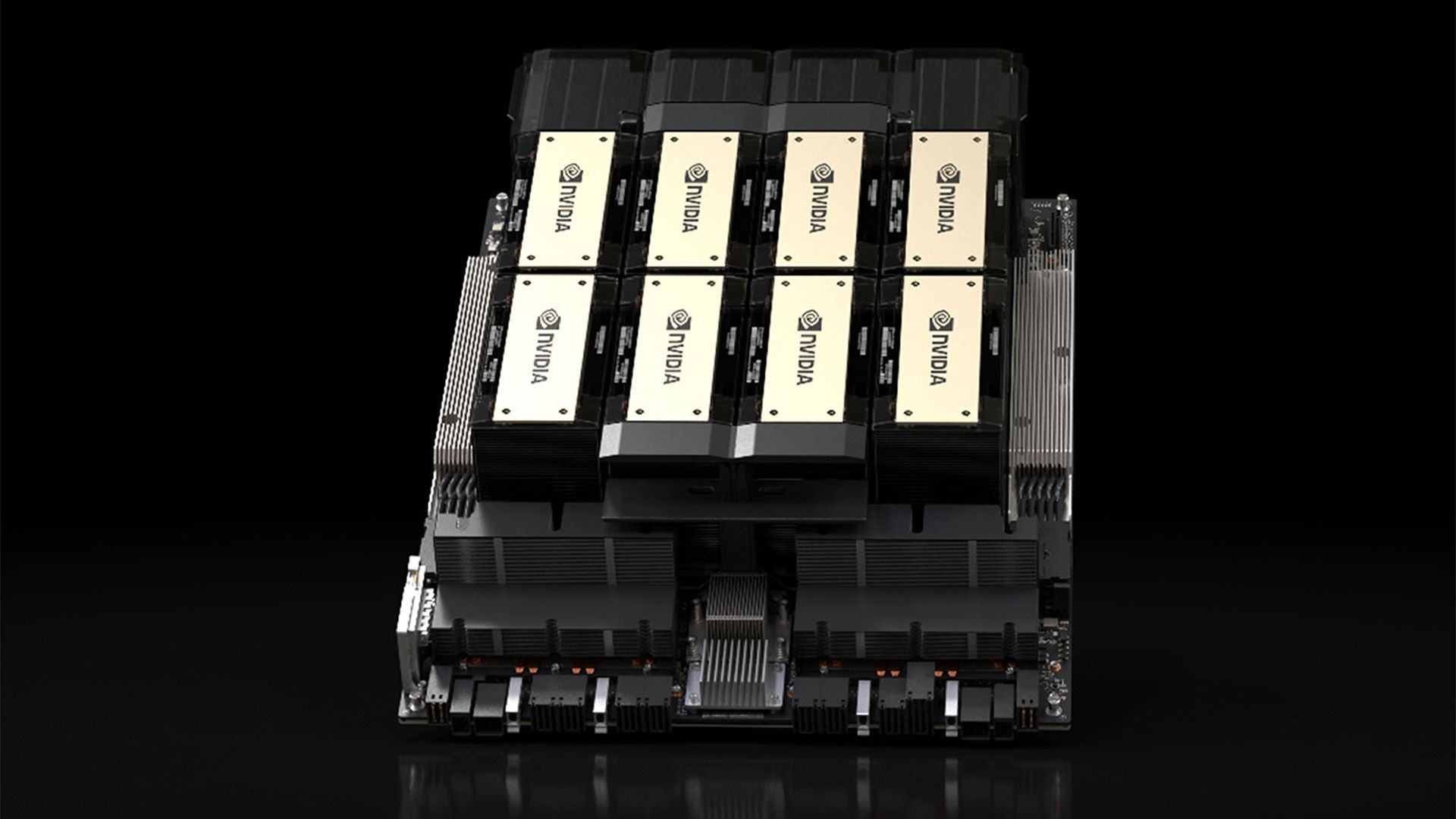
Everyone figured AI’s next leap would come from bigger clusters of Nvidia chips, endless data dumps, and frontier labs burning cash on scale. That’s the script—hyperscalers stacking H100s like Lego, costs soaring past $100 million per monster model. But here’s the pivot: quantum computing, that perennial ‘five years away’ tech, is inching toward real AI augmentation, with hybrid setups already bridging the gap.
Quantum won’t kill classical compute. It’ll juice it.
The Expected Path—and Why Quantum Upends It
Look, the hype cycle had AI riding solo on Moore’s Law extensions, transformers gobbling electrons. Market watchers pegged Nvidia’s dominance through 2030, revenue exploding to $200 billion yearly on inference alone. Analysts at Goldman, McKinsey—they all bought the narrative. No wild cards.
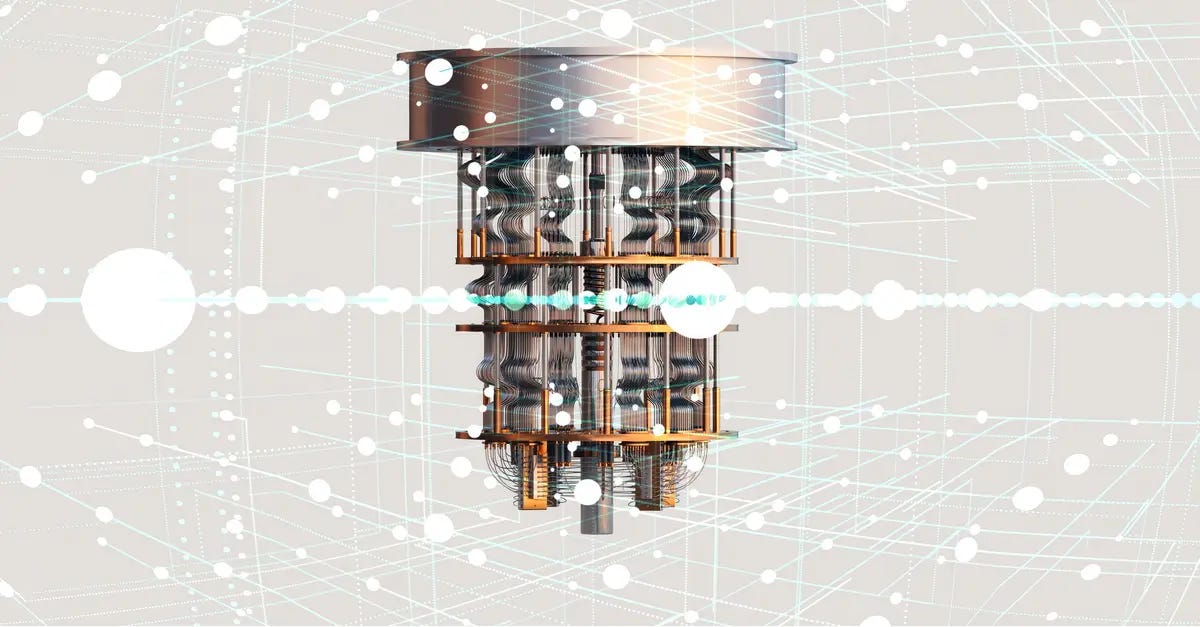
Then quantum stirs. Not tomorrow, but 2028-2035, as one insider puts it. Suddenly, superposition lets a machine mull millions of parameters simultaneously, not one-by-one drudgery. Nvidia’s own NVLink? It’s the Rosetta Stone, hooking GPUs to quantum processors with microsecond zips. That’s no pipe dream—it’s shipping.
This changes the math. Training a GPT-4 beast? Months, billions in power. Quantum hybrids could slash that, especially for high-dimensional messes like molecular sims or optimization nightmares classical AI chokes on.
I’ve tracked this for years via newsletters like Quantum Foundry. The field’s nascent, sure—current rigs top out at hundreds of noisy qubits. But neutral atoms (think laser-trapped Rubidium) look primed for scaling. TSMC’s churning Nvidia’s Quantum-X chips on 2nm nodes. R&D spend? Exploding.
Quantum’s Three Pillars—and the $97 Billion Bet
Break it down: quantum computing, communication, sensing. Together, they’re chasing $97 billion revenue by 2035, maybe $200 billion by 2040. That’s McKinsey math, not fluff.
Computing’s the AI hook—QML, quantum machine learning, where qubits parallelize what LLMs do sequentially. Communication? Unhackable keys for AI data flows. Sensing? Precision for robotics, drones, space swarms.
National defense convergence amps it. Anthropic snubs DoD; quantum scientists drop a manifesto swearing off military qubits. Yet funding flows—cyber, sims, materials. Infleqtion SPACs public (INFQ), Quantinuum eyes IPO. Investor eyes widen.
Just as National Defense spending increase for space-tech, some of that might also boost Quantum startups. This is because things like cybersecurity and Quantum sensing have mission-critical implications.
Brian Lenahan nails it there—defense dollars will propel this, willing or not.
Short-term? R&D grind. Long-term? Acceleration. Classical AI hits walls on chemistry, batteries, biotech. Quantum cracks them, feeding better data back to neural nets. VCs sleep on it; policy wonks too. Don’t.
Will Quantum Hybrids Dethrone Nvidia’s GPU Empire?
Here’s my unique angle, absent from the buzz: this mirrors the 2010s GPU pivot for deep learning. Back then, CPUs lumbered; CUDA unlocked parallel hell for conv nets. AI accuracy jumped 20-30% overnight on ImageNet.
Quantum’s that sequel. Not replacement—augmentation. Nvidia’s all-in with NVLink, TSMC fabs. By 2030, I predict hybrid rigs cut frontier model training 40-60%, costs halved. Skeptical? Fair. Qubit fidelity’s the choke—error rates kill scaling today. But neutral atoms, photonics? Bets hedge right.
Market dynamics scream bullish. Quantum startups raised $2.3 billion in 2023, per PitchBook. Public listings spike awareness. Geopolitics? US-China race intensifies—export controls on qubits incoming.
Corporate spin? TSMC calls it a ‘Quantum Bridge.’ Hype? Partly. But fabs don’t lie—3nm quantum nodes prove intent.
And defense. Robotics swarms, drone fleets—quantum sensing predicts chaos classical sims miss. SpaceX Starships? Optimized trajectories via QML.
Why Does Quantum Matter for AI Developers Now?
You’re training models today. Ignore this? Risk obsolescence. Hybrid tools emerge 2025-2027: AWS Braket, Azure Quantum already let you poke qubits.
Start small—optimization plugins for logistics, finance portfolios. Quantum edges classical on NP-hard knapsacks. Scale to drug discovery: Pfizer, Merck partner IonQ already.
My sharp take: AI supremacy tilts quantum-first nations. US leads qubits; China masses them. Europe’s laggin. Policy fixates classical infra—wake up.
Uncertain? Yeah. Elusive breakthroughs loom. But data says track it. 2028 window? Plausible if funding holds.
Quantum computing augments AI, alright. Not savior, partner. Get ahead.
🧬 Related Insights
- Read more: Rivian’s AI Autonomy Surge: Tesla’s Wake-Up Call?
- Read more: AI’s Real Bottlenecks: Helium Shortages, Chip Wars, and 2026’s Crunch
Frequently Asked Questions
What is quantum machine learning?
QML uses qubits’ superposition to process vast parameter spaces in parallel, speeding AI tasks like optimization that stump classical systems.
When will quantum computers scale to millions of qubits?
Realistically, 2030s—neutral atoms lead, but noise correction’s key. Today’s hundreds; fault-tolerant needs thousands first.
Does quantum threaten AI jobs?
Nah—augments. Developers pivot to hybrids; new roles in QML explode.