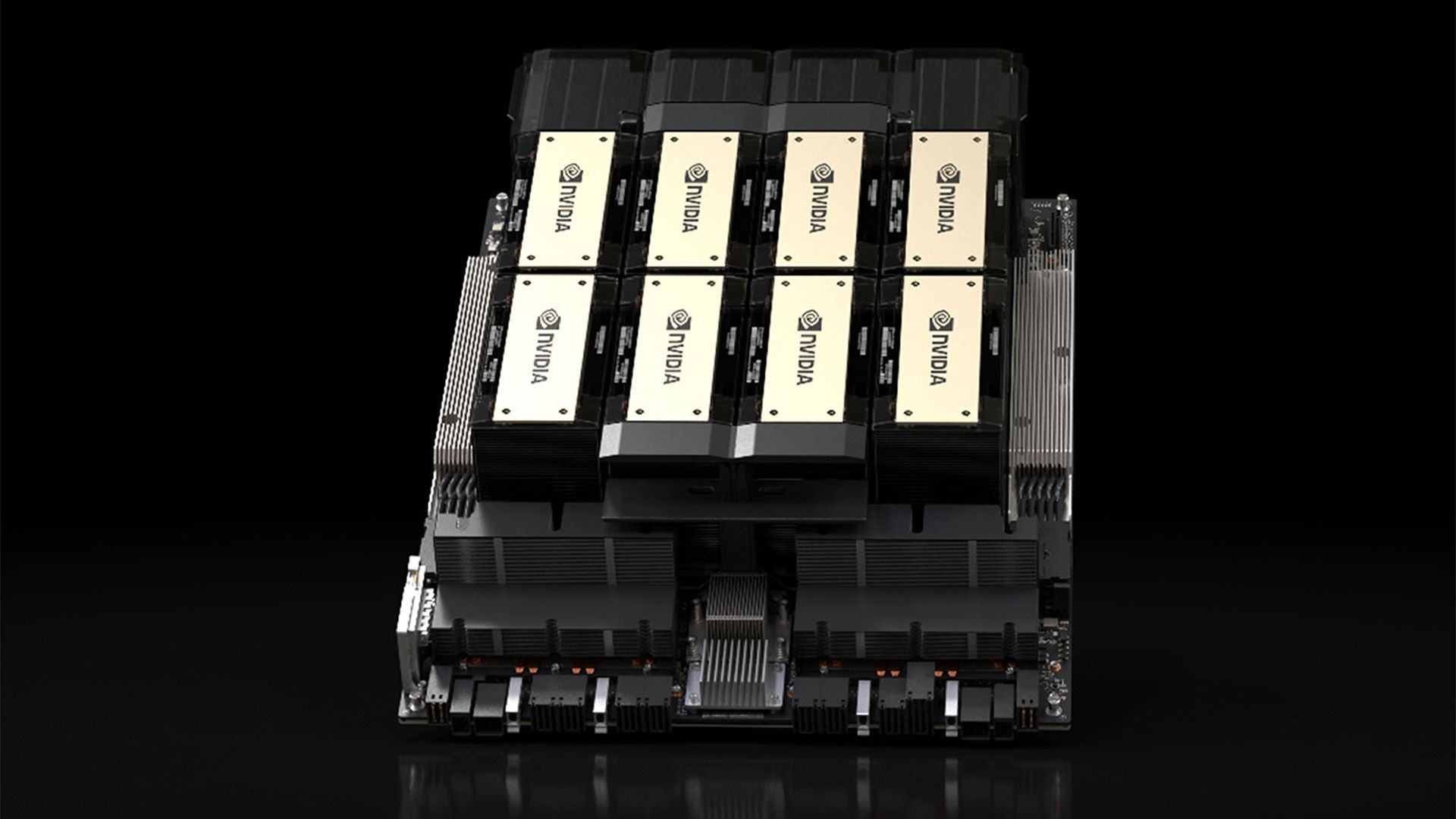
Specops fires up a $30,000 Nvidia H100—the darling of AI data centers—and pits it against a $1,500 RTX 4090. The result? The gamer’s rig cracks passwords faster. Shocking? Not if you’ve tracked hash rates.
And here’s the kicker: weak passwords fall in seconds anyway, no exotic silicon required.
Specops, the password security pros, ran the numbers on real-world cracking scenarios. They targeted LM hashes (yeah, those ancient Windows relics still lurking), NTLM, and even modern bcrypt setups. The H100, built for matrix math in LLMs, sputters on the parallel integer ops that hashing demands.
“A $30,000 AI GPU doesn’t outperform consumer GPUs at password cracking. Specops explains why attackers don’t need exotic hardware to break weak passwords.”
That’s straight from their report—cold, hard truth amid the GPU hype.
Why the $30K H100 Loses to Your Gaming Rig?
Look, Nvidia’s H100 packs 80GB of HBM3 memory, sips power like a supercar, but password cracking? It’s all about raw shader throughput on SHA-256 or MD5 derivatives. Consumer cards like the RTX 4090 or 3090 cram thousands of CUDA cores tuned for graphics—perfect for hashcat’s GPU farms.
Specops clocked the H100 at 200,000 hashes per second on LM. Meh. The 4090? Over 400,000. Double the speed for one-twentieth the price. Why? H100’s architecture prioritizes tensor cores for AI training, not the brute-force integer crunching crackers love. It’s like bringing a Ferrari to a demolition derby.
Market dynamics scream this mismatch. Datacenter GPUs cost a fortune because enterprises buy fleets for training GPTs, not solo cracking. Retail? Flooded with ex-mining RTX cards—cheap, plentiful, viciously effective.
But wait—doesn’t more VRAM win? Nope. Cracking 8-char passwords needs gigabytes for rainbow tables, sure, but H100’s 80GB advantage evaporates when hash rates tank. Attackers rig 8x 3090s in a basement for $10K total. Beast mode, budget price.
Do Attackers Really Skip Fancy Hardware?
Absolutely. Dark web forums buzz with RTX 3080 clusters, not H100s. Why blow $30K on one card when a $2K rig suffices? Specops’ data mirrors breach reports: 81% of hacked passwords were cracked offline with consumer gear (Verizon DBIR vibes).
Zoom out to economics. Bitcoin miners dumped GPUs post-2022 crash, flooding markets. A used 3090? $600. Pair 16 of ‘em—hashcat screams at 10 million H/s on NTLM. H100 solo? Barely cracks a million on tougher algos.
My take: this exposes cybersecurity’s hardware obsession. Execs chase bleeding-edge silicon while ignoring the low-hanging fruit—password spray attacks on Active Directory. It’s 2024; ‘Password123’ still rules 20% of enterprise accounts (Specops stats).
Here’s my unique angle, absent from their report: echoes of the 1990s DES cracker wars. Back then, supercomputers cost millions to break 56-bit keys. Now? Smartphones shrug off 40-bit relics. History says don’t arm-race hardware; evolve the crypto. Weak passwords are the real vuln, not GPU deficits.
Specops predicts attackers pivot to cloud bursts—rent 100x A100s on AWS for pennies per hash. But even there, consumer cards win cost-per-crack. Nvidia’s AI boom juices prices, but cracking stays democratized.
Is Password Hygiene Still King?
Damn right. Tools like Hashcat or John the Ripper scale linearly with GPU count, not price tags. Train models? H100 shines. Crack ‘Summer22!’? Any rig does.
Specops tested bcrypt at cost 12—slow by design. H100 edged ahead slightly (finally!), but real attacks hit unsalted MD5 first. Enterprises? Ditch NTLMv1 yesterday.
Bold call: GPU makers hype AI flops for cracking to deflect from real threats. Nvidia won’t brag H100 hash rates; they peddle it for trillion-param models. But for red teams? Stick to GeForce.
Wider implications hit compliance. NIST SP 800-63B mandates 8+ chars, no reuse—yet breaches spike. Tools like Specops Password Auditor flag risks pre-breach. Hardware? Secondary.
Attack surface math: 10 billion leaked creds online (Have I Been Pwned). Weak ones crack in GPU-minutes. Strong? Years, even on clusters.
What Should Security Teams Buy?
Skip the H100. Rig a rack of RTX 4090s for pentests—$20K buys apocalypse-level cracking. Or better: invest in pass managers, MFA, zero-trust.
Specops’ benchmark flips the script on ‘more money = more secure.’ It’s smarter spend, not bigger iron.
And cybercriminals? They’re laughing—your $30K toy gathers dust while their $5K farm owns the shadows.
**
🧬 Related Insights
- Read more: Fake Avast Site Runs Bogus Scan, Drops Venom Stealer on Naive Users
- Read more: North Korea’s Hackers Vaporize $285M from Drift in Seconds
Frequently Asked Questions**
Will a $30,000 GPU beat consumer cards at password cracking?
No. Specops tests show RTX 4090s double H100 speeds on common hashes like LM and NTLM—for 1/20th the cost.
Why do attackers use cheap GPUs for cracking?
Cost-efficiency. Weak passwords crack fast anyway; consumer cards deliver top hash rates without datacenter premiums.
Should companies buy expensive GPUs for security testing?
Rarely. Focus on password audits and policy first—hardware follows commodity curves.