Gaming GPU cracks ceramics code.
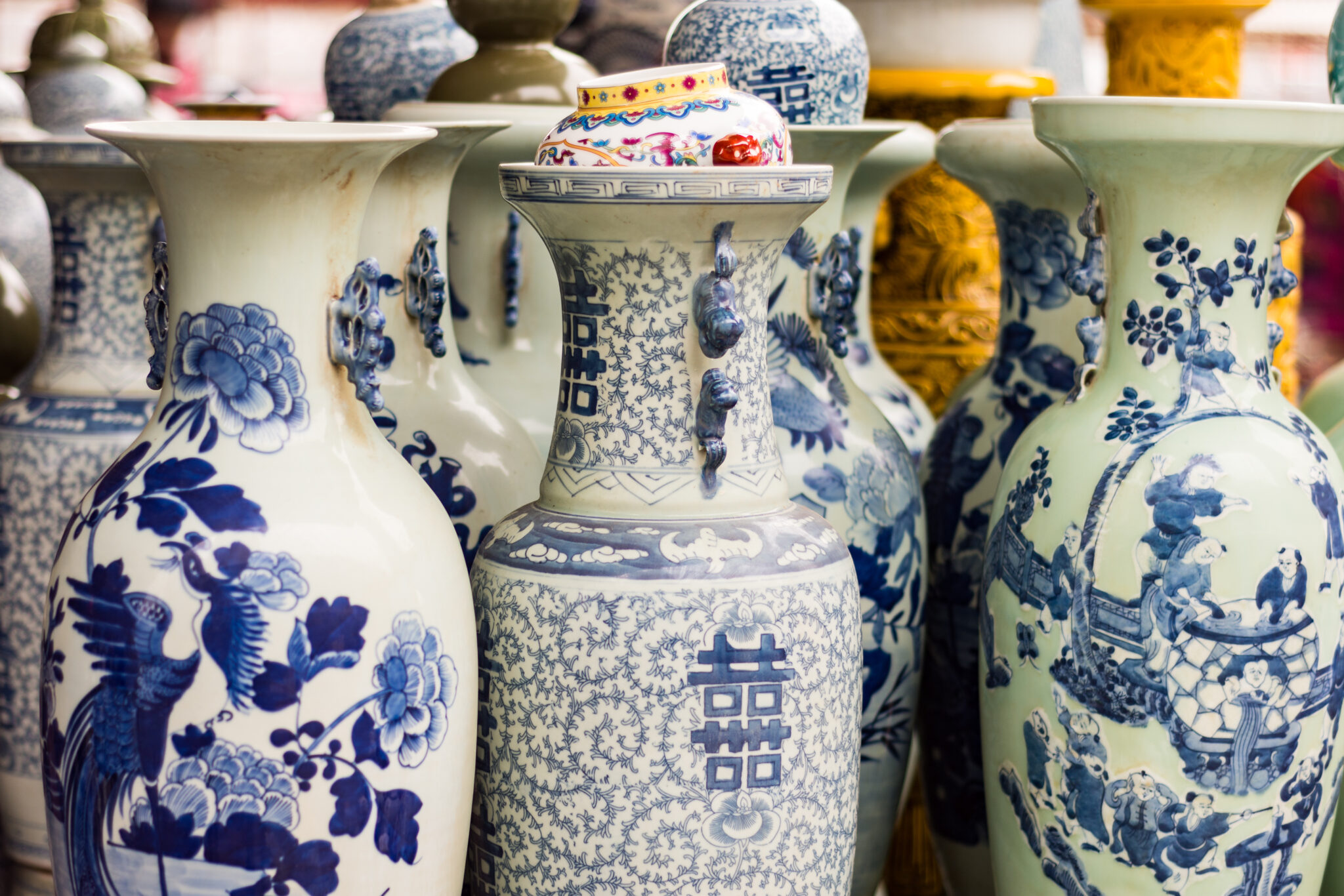
That’s no hype — researchers at University Putra Malaysia and UNSW Sydney just dropped an AI system that stares down ancient Chinese ceramics, spots motifs, shapes, kiln marks, and spits out value predictions pulled from Sotheby’s and Christie’s auctions. Powered by a plain old NVIDIA GeForce RTX 3090, the same beast gamers use to max out Cyberpunk 2077. Ninety-nine percent accuracy on tests. Yeah, you read that right.
Look, I’ve covered Silicon Valley long enough to smell PR spin from a mile away. But this? It’s a consumer gaming rig — not some rack-mounted data center monster — doing work that used to chain collectors to dusty experts. Siqi Wu, one of the brains here, laid it out plain: “Artifact pricing and dating still heavily rely on expert judgment.”
“Artifact pricing and dating still heavily rely on expert judgment,” Wu said. That expertise remains elusive for younger collectors, smaller institutions and digital archive projects.
And here’s the kicker — it’s using YOLOv11 for detection, trained on real auction data to peg price categories. In one go, it undervalued a Ming piece by 30%. Close, but not cigar. Still, for something juggling centuries of empire-driven tastes, that’s wild.
Can a Gaming GPU Really Appraise Antiques?
Short answer: apparently, yes. But let’s not kid ourselves — 99% sounds like a lab flex. Real world? Auctions thrum with fakes, condition debates, provenance fights. This AI sidesteps some of that, learning from hammer prices directly. No human bias on ‘patina’ or whatever buzzword dealers peddle.
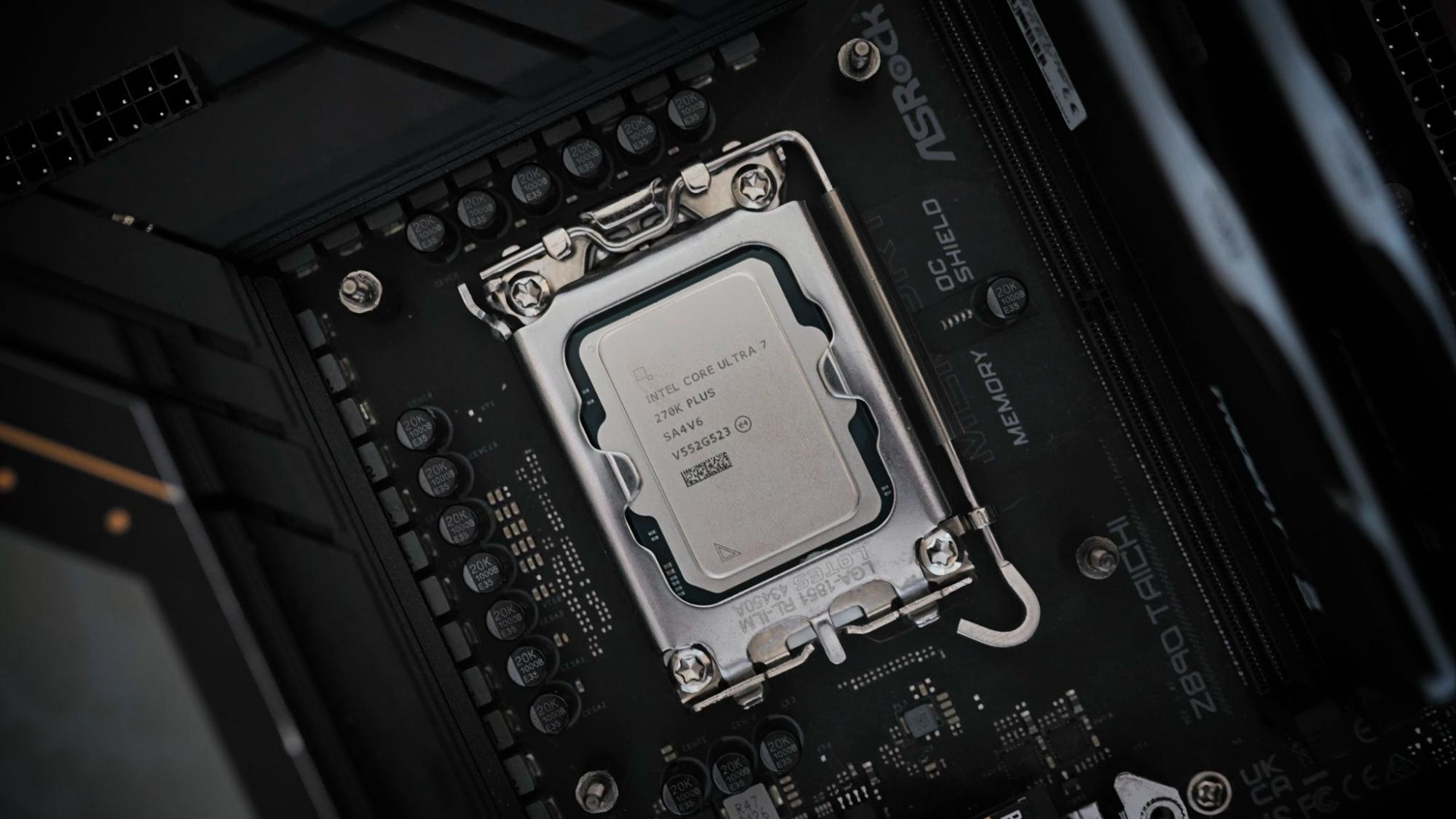
The RTX 3090’s no slouch. Gamers know it for ray-tracing glory, but slap Tensor cores on cultural data, and boom — deep learning feasts. Wu’s team didn’t splurge on H100s; they grabbed what’s on Newegg. Democratizing access? Sure. But who profits? NVIDIA, grinning all the way to the bank as their gamer bait pivots to academia.
One paragraph wonder: Cynical? Maybe.
Dig deeper, though. Ceramics aren’t just pots — they’re Silk Road gossip, Tang trade flexes, Renaissance rip-offs. Value swings on aesthetics, sure, but empires, wars, looting too. AI quantifies motifs like phoenixes or dragons, kiln cracks from Jingdezhen. It predicts low/mid/high tiers from auction history. Scalable for museums drowning in backlogs. Younger collectors? They get an app, not a Rolodex.
But wander with me here — this echoes the ’80s, when IBM PCs first digitized Louvre catalogs. Back then, it was clunky mainframes for elite curators. Now? Your Alienware rig does it. Unique insight: we’re at peak irony. The hardware killing your electric bill on 4K textures now guards cultural loot from forgers. Prediction? In five years, black-market fakes get AI-sniffed at ports, crashing underground prices. Dealers hate it already.
Why Bother with AI for Dusty Pots?
Tradition’s a jealous mistress. Experts sip tea, squint, declare ‘Qing, undervalued.’ Costly, slow, subjective. Wu’s crew wants objectivity — pair computer vision with market data, scale to archives. Cantonese opera costumes next. Murals after that. Global heritage on a GPU diet.
Skeptical hat on: is this hype? Test accuracy’s lab-pure; street auctions? Messier. That 30% miss on the Ming? Tells you algorithms chase averages, miss nuances like repair scars or owner stories. Still, for smaller players — digital projects, new money collectors — it’s a leg up. No more gatekept by graybeards.
And money. Always follow it. NVIDIA sells more 3090s to labs now? Check. Auction houses integrate? Subscriptions flow. Universities publish, grants roll. Even if accuracy dips to 85% live, it’s disruptive. Who loses? The lone-wolf appraisers, sipping oolong alone.
Picture this sprawl: a Malaysian lab, Sydney collab, feeding auction PDFs into neural nets. Shapes vectorized, colors histogrammed, motifs segmented via YOLO. Then regression on prices — glaze type correlates to dynasty premiums. It’s not magic; it’s CUDA cores churning epochs overnight. Gamers upgrade yearly; researchers iterate free.
Single shot: Underrated angle.
Corporate spin? NVIDIA loves this — ‘our gaming tech saves culture!’ Please. It’s compute, repurposed. But credit where due: consumer silicon’s matured. No more begging grants for clusters.
Does This Change the Art World Forever?
Not forever. But it nudges. Experts adapt — AI as sidekick, not slayer. Fakes? Vision models flag anomalies faster than eyeballs. Markets? Transparent pricing pressures flippers. Museums? Digitize vaults, query ‘undervalued Yuan?’
I’ve seen waves: blockchain for provenance (flop), VR tours (meh). This sticks because it’s practical. Gaming GPU baseline means anyone bootstraps. Open-source the weights? Global south museums compete.
Cynical close: value’s still vibe. AI nails form; humans sell story. But silicon’s entering the salon. Trade routes digitized.
**
🧬 Related Insights
- Read more: StruQ and SecAlign Crush Prompt Injection Attacks to Near-Zero
- Read more: OpenAI’s Superintelligence Dreams Clash with Insiders’ Altman Distrust
Frequently Asked Questions**
What GPU powers Chinese ceramics AI?
NVIDIA GeForce RTX 3090 — gamer staple, lab hero.
How accurate is AI at valuing ancient ceramics?
Up to 99% in tests on auction data; real-world closer to 70-90%, per early slips.
Will AI replace ceramics experts?
Nah — augments them. Humans still spin the tales that drive bids.