Kubernetes 1.35's Numeric Taints: Spot Savings or Setup Headache?
Kubernetes finally lets you taint nodes with numbers. But after 20 years watching this circus, I'm asking: will it actually save you money on spots without breaking your cluster?

Kubernetes finally lets you taint nodes with numbers. But after 20 years watching this circus, I'm asking: will it actually save you money on spots without breaking your cluster?
Imagine training an AI with a number so vast—10²³ floating point operations—it rivals the atoms in the observable universe. That's the EU's new line for GPAI models.
Averages lie. Your backend's p99 latency tells the real story—and it's probably worse than you think. Here's the data-driven playbook to fix it.
Imagine your Raspberry Pi spotting intruders in real-time, no cloud needed. Google's Gemma 4 open models make that dead simple—and they're battle-tested like proprietary tech.

LiteLLM's brutal week: malware steals creds from their open-source tool, then they bail on compliance partner dive amid fraud accusations. Silicon Valley's trust in quick-fix certs just took a hit.

Evasion rates spiked into high levels for key model combos. Turns out, five years of safety tweaks haven't hardened LLMs against scalable fuzzing attacks.
Dev teams bet big on Claude for code reviews, figuring one top AI would nail it. But bugs slip through—until now, with multi-model consensus that cross-checks three powerhouses in seconds.
Developers grabbed what looked like a routine npm update. Hours later, GlassWorm had turned their machines into crypto-stealing spies, complete with fake browser extensions watching every tab.
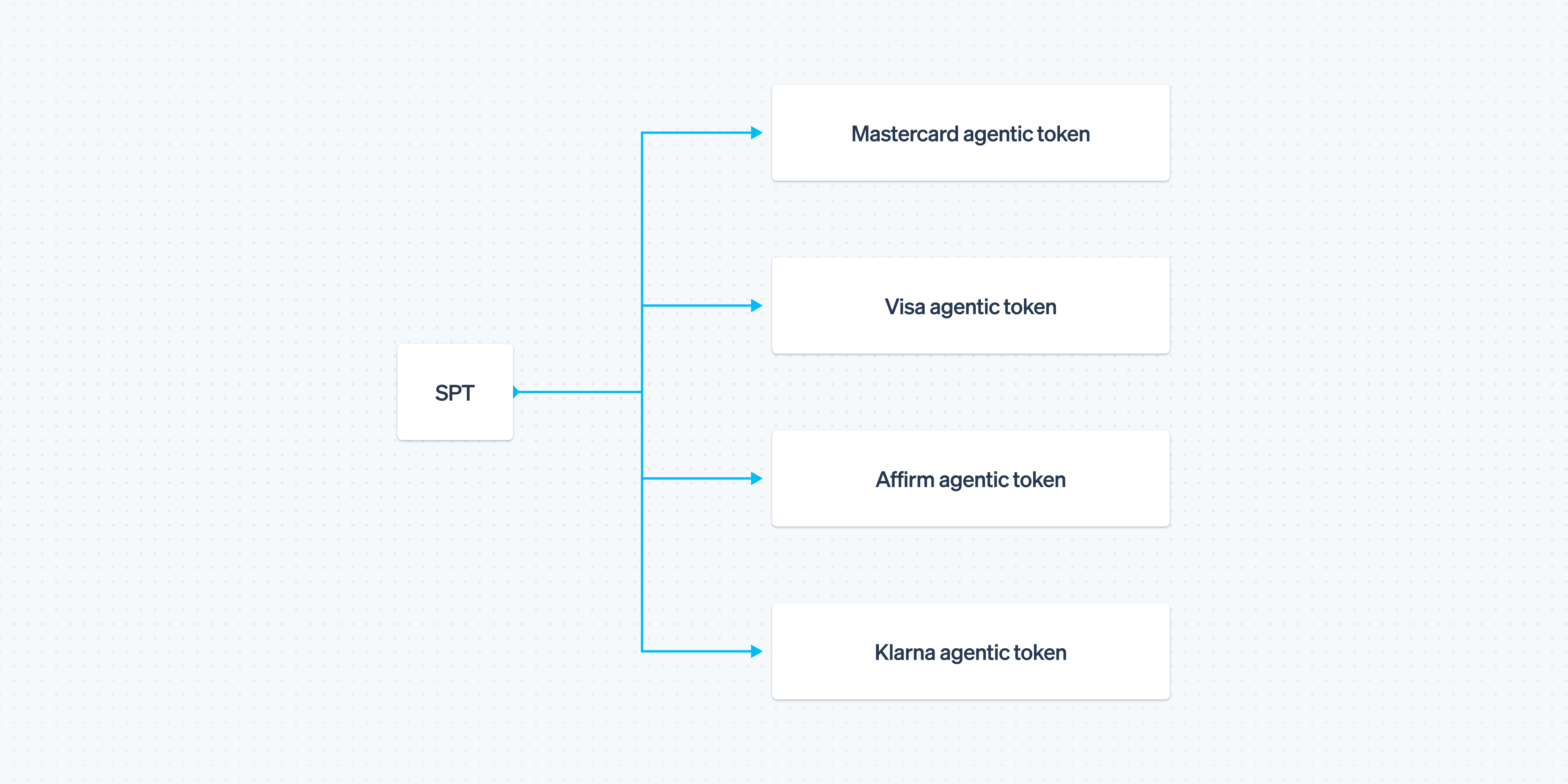
Stripe's dropping agentic network tokens from Mastercard and Visa into its Shared Payment Tokens, plus Affirm and Klarna BNPL. It's a quiet power move that could standardize payments in the AI agent economy.
Your next router might cost double — all thanks to a sweeping US ban on foreign-made gear. Security wins? Or just a win for domestic players like Elon Musk?

Forget the hype about AI rewriting novels or diagnosing diseases overnight. Programming became AI's proving ground because code doesn't lie: it compiles or crashes. This changes everything for devs—and the tools cashing in.

Forget the blue whale in the room—42% of surveyed law firms say AI chatter sealed new deals. Yet ROI math stays fuzzy in a time-billing world.

Picture this: your secret tip to bust a local dealer, now splashed across hacker forums with your phone number attached. That's the nightmare unfolding from a massive breach at Crime Stoppers' backend provider.
Picture this: You pay the ransom, data's supposedly deleted, but the threats keep coming—now aimed at your kids. Scattered Lapsus ShinyHunters doesn't play by ransomware rules; they revel in the fallout.
Your Kubernetes node flips to 'Ready' too soon, pods crash spectacularly. Node Readiness Controller steps in with smart taints to wait for the full infrastructure handshake.

In under three days, five engineers unleashed 11 new agents and 28,858 lines of code using GitHub Copilot. This isn't hype—it's agent-driven development in action, automating the un-automatable.
Imagine waking up to find your crypto fortune vanished into thin air. That's the nightmare hitting Drift users right now after a savage hack.
AI coding assistants cranked out 16 billion lines of code in 2023 alone. That's forcing a frantic rethink in application security, says Black Duck's Jason Schmitt.
Picture your router choking on 60,000 phantom connections. That's the chaos Kimwolf unleashed on I2P last week—a massive IoT botnet's clumsy stab at anonymity that nearly sank a key privacy bastion.

Picture this: partners staring at screens as a cartoon lobster unveils a profit-doubling blueprint. Then they vote it in as leader. ClawBot just took over a global law firm.