Claude Edges OpenAI in the 2026 Agent SDK Wars—Here's Why After Building Them All
Three screens glow in the dim office: one agent's scraping jobs via Exa, another's spawning shell commands on a virtual desktop. Which SDK survives real builds?

Three screens glow in the dim office: one agent's scraping jobs via Exa, another's spawning shell commands on a virtual desktop. Which SDK survives real builds?

Forget fintech unicorns hogging the spotlight. Social media giants are crashing the party, flipping your feed into a personal bank. Expect loans based on likes — it's happening now.

Martin Wimpress built Ubuntu MATE from a GNOME fork into an official Ubuntu staple. Now, after 12 years, he's out—citing lost passion and time—and calling for new blood.
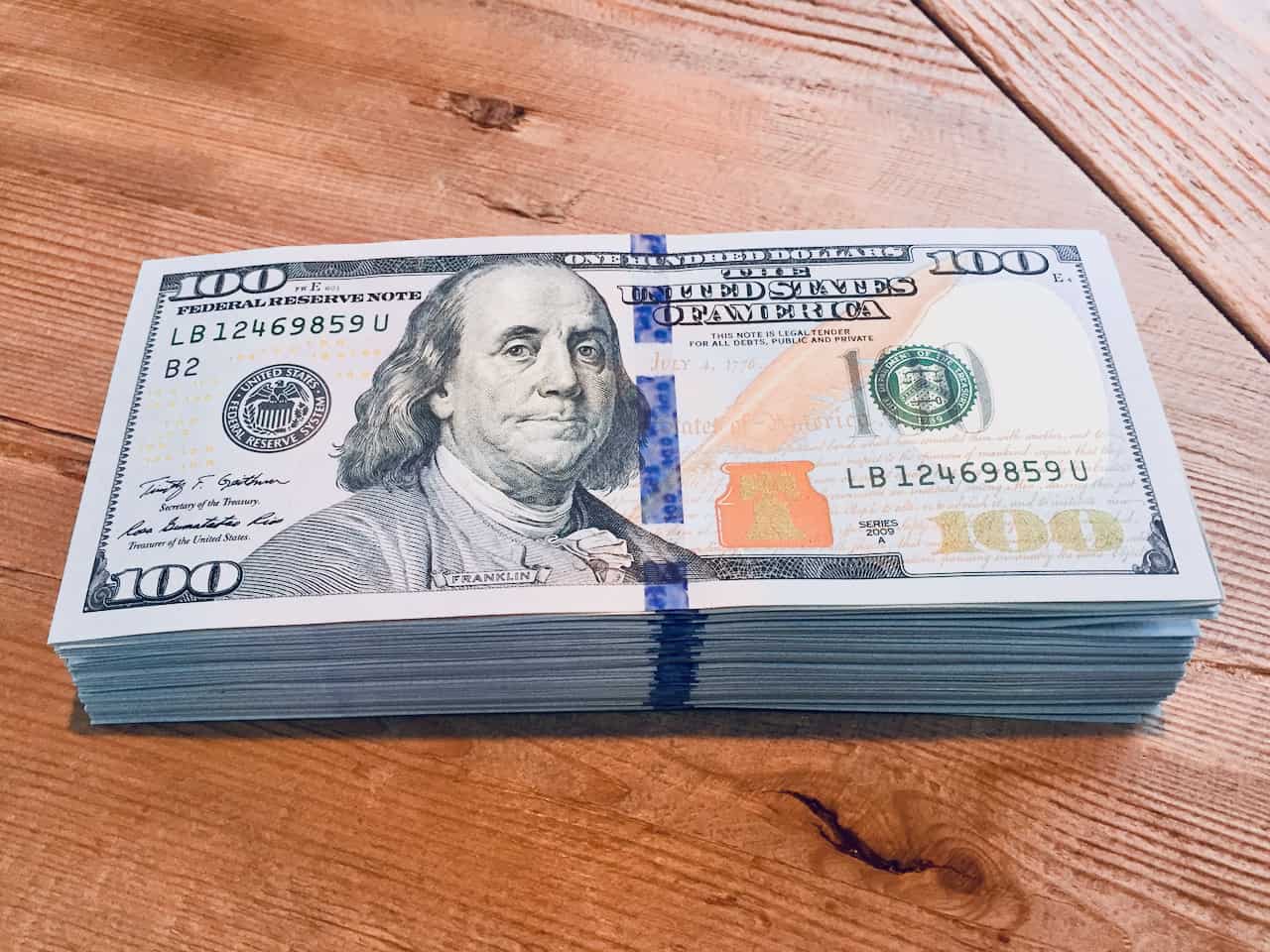
OpenAI just closed a $122 billion funding round at an $852 billion valuation. That's absolutely staggering. The question nobody's asking: does it matter?

Instagram just approved its first wave of buy-now-pay-later loans tied to shopping tags. Your endless scroll? It's now a gateway to debt.
Imagine scraping the web not as a blunt hammer, but a scalpel with confidence ratings. rs-trafilatura supercharges Firecrawl, turning raw HTML into gold-standard extracts.
A single candle. 1,400%. That's Solana's Jonathan memecoin on April Fools' Day, shrugging off a prank to hit $0.00038. Eight months old, this tortoise tribute shows memecoin grit.
Sets seemed simple—until Russell's paradox blew them up. Type theory steps in, quietly rebuilding math's base while programmers borrow the idea to ship safer code.

PayPal's numbers look fine on paper. But the company is trapped in the middle of a payments revolution it can't control—and the market just figured it out.
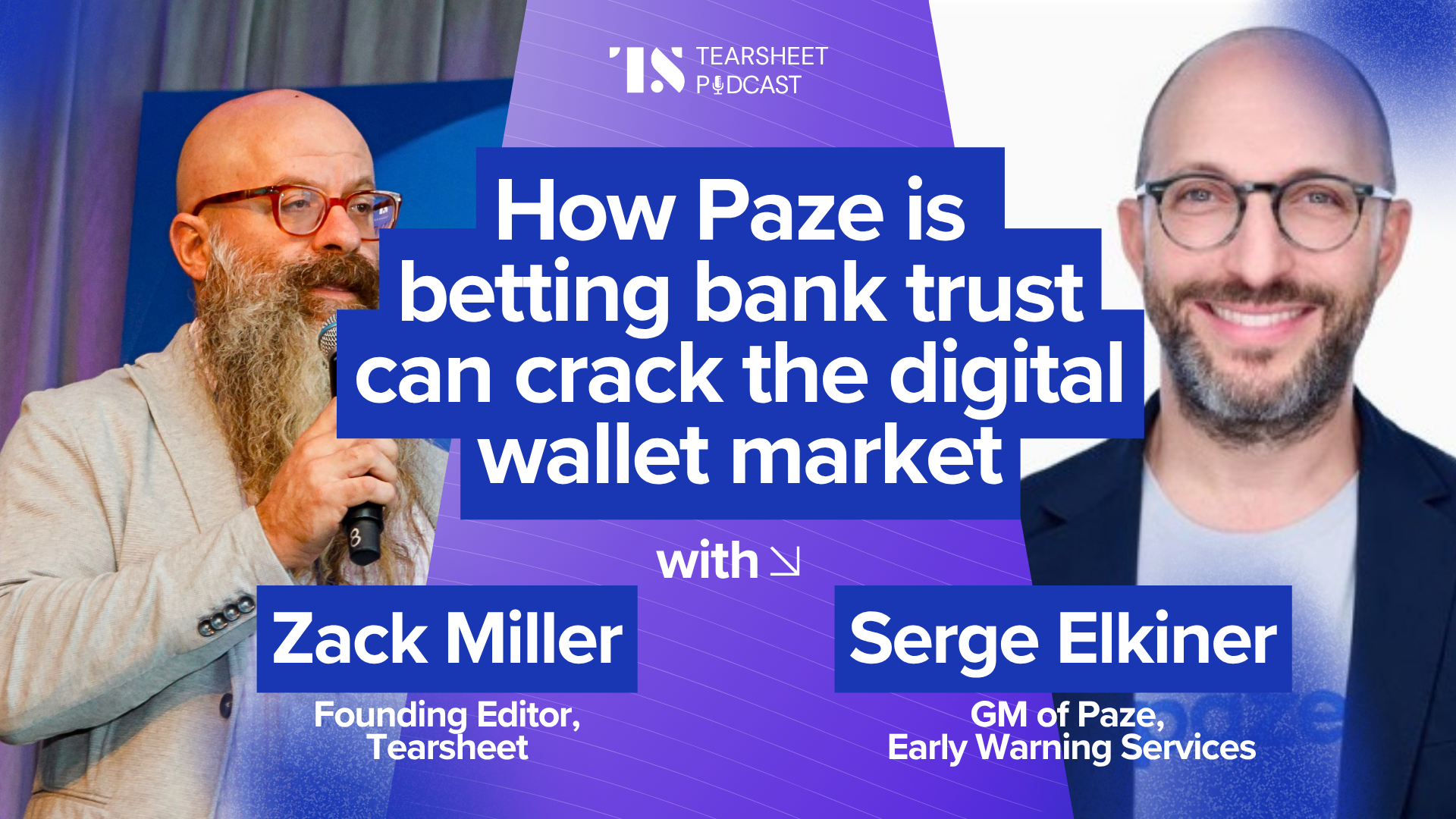
Paze is betting that consumers tired of Big Tech will embrace a bank-backed digital wallet for checkout. But converting 165 million eligible cards into daily habit is a different beast than peer-to-peer payments.
One snarky comment exposed the waste in my $0.006-per-URL SEO auditor. The fix? A tiered 'cost curve' that routes tasks smartly, paying models only when regexes fail.

Twenty years of covering tech taught me one thing: engineers love complex solutions to simple problems. But one team's gRPC meltdowns reveal something uncomfortable—sometimes the answer is to reject requests faster, not serve them slower.
Tether just threw down a two-week ultimatum. Either investors bite at a $500 billion valuation, or the whole fundraise gets shelved. This isn't just stablecoin drama—it's a stress test on how the crypto world values infrastructure.

Google's quantum computing research just surfaced a problem the crypto industry has known about but largely ignored: the clock is ticking on existing encryption standards. This isn't doomsday. It's a migration deadline.
Cross-chain swap volume just hit $56.1 billion in a month. If your Go microservice touches crypto, swap functionality isn't optional anymore—it's infrastructure.

A Nordic travel money leader just flipped the switch on enterprise-grade ATM automation—and it signals where branch banking is actually heading. This isn't flashy. It's foundational.

Forget basic phishing. Venom's PhaaS targets CEOs with personalized SharePoint lures and MFA-busting tricks. It's not hype—it's hitting real boards now.
One developer got tired of waiting 5 minutes for a research tool to query one source at a time. So they parallelized it. Here's what actually changed—and what didn't work before they got it right.
Imagine git diff on Title 18 Crimes between 2019 and 2025. A new repo packs the full US Code into Git, turning federal law into trackable commits.
A Tokyo firm just cracked the top three corporate Bitcoin holders by loading up $405 million worth in a single quarter. Problem? The market doesn't seem impressed.