Chips starve without helium.
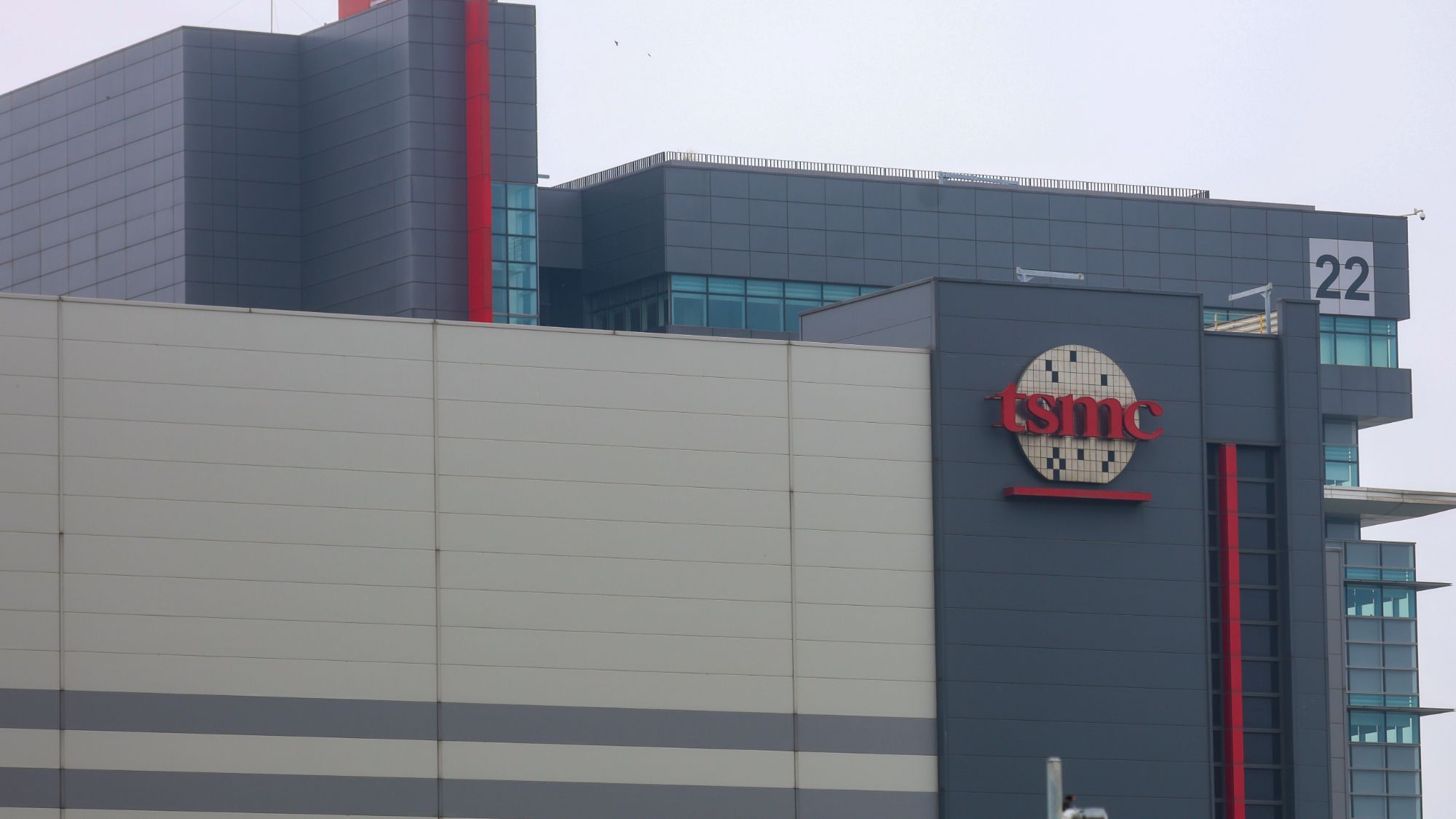
Taiwan Semiconductor Industry Association just dropped a bombshell plea to its government: stockpile helium and LNG, now. This comes right as the U.S. and Iran ink a fragile two-week ceasefire, reopening the Strait of Hormuz—but don’t pop the champagne yet. TSMC’s own senior VP, Cliff Hou, who’s also TSIA chair, laid it out plain: the island’s got 11 days of strategic LNG, fueling over 40% of its power plants, and zilch for helium. No helium? Fabs shut down cold.
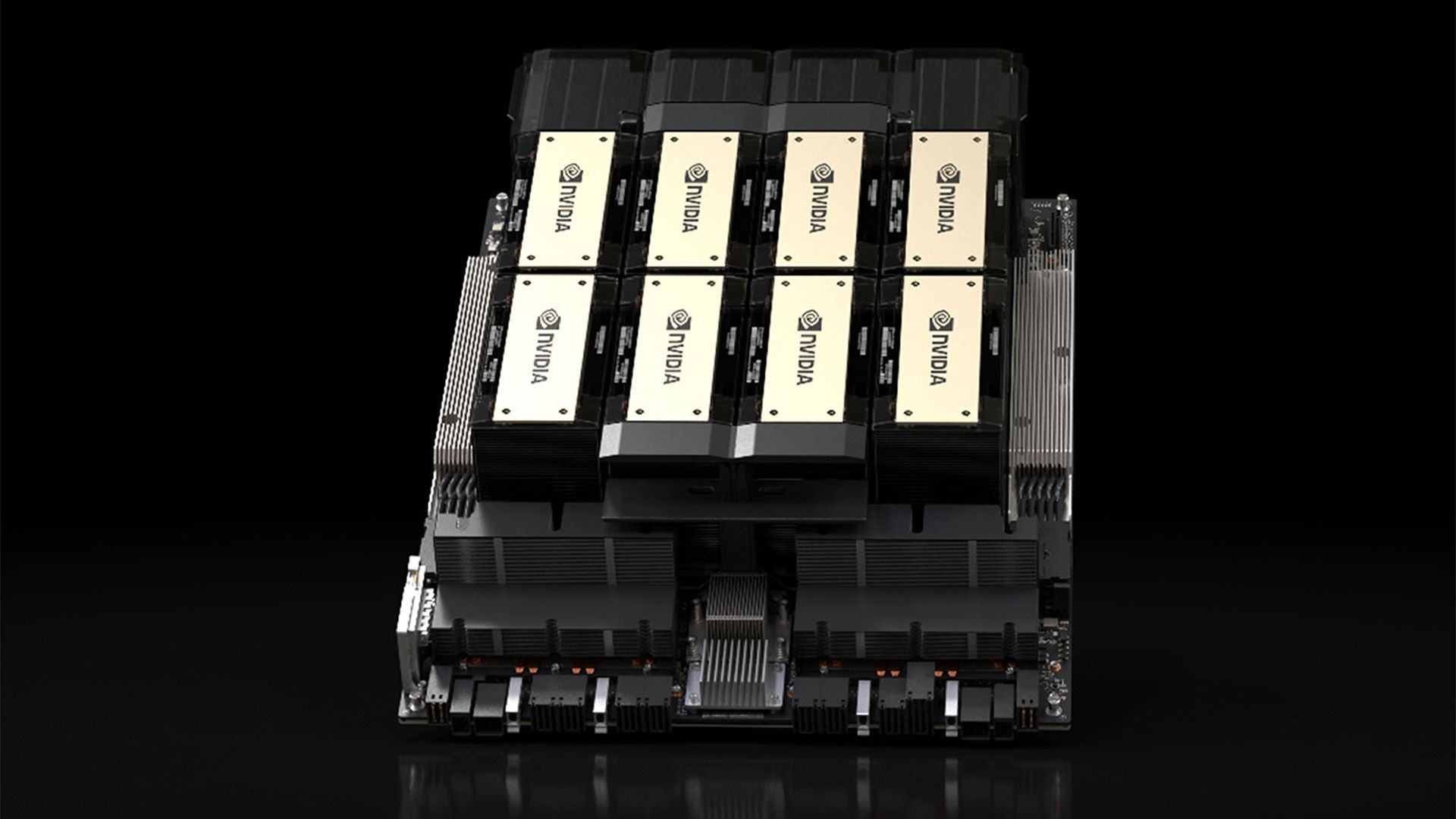
Here’s the raw math. Taiwan imports 95% of its energy, a third of LNG from Qatar alone. March’s blockade slashed that flow; fabs scraped by on inventories for weeks, but shortages loomed. Helium cools tools, flushes chemicals—irreplaceable in chipmaking. One fab halt cascades: TSMC alone pumps 60% of global advanced chips, powering Nvidia’s AI beasts, Apple’s silicon, everything.
“We also propose to the government that we need to keep diversifying sources of energy and critical materials supplies to prepare for the uncertainties,” TSIA chairperson and Taiwan Semiconductor Manufacturing Company (TSMC) senior vice president Cliff Hou said. “The association also supports the government’s decision to reopen nuclear power plants to have more stable energy supplies if the processes meet legal requirements and if safety is guaranteed. Stable and sufficient energy is extremely vital for semiconductor industry development.”
Spot on, Cliff. But Taiwan shuttered its last nuke in May 2025—now it’s import junkie, vulnerable as hell.
Why Helium Shortages Could Tank Global AI Boom
Helium’s no footnote. Global supply? 90% from U.S. and Qatar, funneled through Hormuz. Iran’s March blockade spiked prices 30% overnight; fabs rationed, delaying orders. Remember 2022’s helium crunch? It idled MRI machines worldwide—now imagine that for EUV lithography at TSMC’s Arizona plant or Kaohsiung fabs.
Taiwan’s position? Dire. Zero strategic helium means a two-week disruption wipes production. Market dynamics scream risk: semis hit $600B revenue last year, Taiwan 20% slice. A month’s downtime? $50B evaporated, Nvidia stock plunges 15%, AI training grinds slower.
And LNG? Power plants guzzle it. Blackouts in fabs aren’t hypothetical—2021 Texas freeze showed how cold snaps (or wars) kill yields.
Is Taiwan’s Energy Dependence a Semiconductor Suicide Pact?
Yes—and it’s self-inflicted. Post-Fukushima panic killed nukes; renewables lag at 10% capacity. Qatar’s Ras Laffan? Bombed hard, output halved. Ceasefire reopens shipping lanes, sure, but repairs take months. Qatar’s pledging ramps, yet Taiwan’s 11-day buffer laughs in face of typhoons or tanker strikes.
Look at Japan. Post-1973 oil shock, they built 200-day stockpiles, diversified to Australia LNG. U.S.? Strategic Petroleum Reserve holds two months oil. Taiwan? Playing catch-up, TSIA says mimic them. Smart. But government’s dithering—budget fights, green lobby screaming no nukes.
My take: this ceasefire’s a band-aid on a gunshot. Unique angle here—echoes 1990 Gulf War, when Saddam’s Kuwait invasion spiked chip prices 40%, delaying PCs for years. Taiwan learned zilch; today’s AI gold rush amplifies stakes. Prediction: without 90-day helium/LNG piles by 2026, next flare-up costs semis $100B, craters Taiwan GDP 5%.
TSIA’s not just whining. Diversify suppliers—U.S. helium from Texas, Australian LNG. Restart nukes? Hell yes, if safe; France runs 70% nuclear, zero import woes. Stable baseload means fabs hum 24/7, yields soar.
But here’s the skepticism. TSMC’s Arizona push diversifies geography, not gases. Helium ships globally; one Hormuz hiccup bites everywhere. PR spin calls ceasefire “relief”—bull. Two weeks? Contingent on no strikes. Iran’s got proxies itching; Qatar rebuilds slow.
Market ripple: spot LNG futures jumped 25% during blockade. Helium? Auction prices doubled. Investors, watch TSMC earnings—supply snarls already nibbled Q2 margins.
What Happens if Taiwan Ignores the Call?
Fabs idle. First week: yields drop 10%. Month two: orders flee to Samsung, Intel. AI firms scramble—Nvidia’s Blackwell delays pile on. Global chip shortage 2.0, but weaponized by geopolitics.
Taiwan’s edge? Sheer volume. But energy chokepoints erode it. Data point: 40% power from LNG means one blockade equals rolling blackouts, like Ukraine’s grid hell.
Government’s move. TSIA’s pitch includes policy tweaks—tax breaks for stockpiles, supplier deals. Do it, or watch foundry dominance slip.
Short version: act fast.
This isn’t hype—it’s math. Taiwan builds buffers, cements lead. Drags feet? Hands rivals the keys.
🧬 Related Insights
- Read more: EVA Exposes the Brutal Tradeoff in Voice AI: Accuracy or a Decent Chat?
- Read more: SpeciesNet: AI Eyes on Wildlife That Might Actually Save a Few Species
Frequently Asked Questions
What does TSIA want from Taiwan’s government?
Strategic stockpiles of helium and LNG, plus energy diversification like reopening nukes.
Why is helium critical for Taiwan semiconductors?
Used in cooling, flushing—no substitute; fabs halt without it.
Will US-Iran ceasefire fix Taiwan’s chip supply chain?
Temporary relief only; Qatar damage lingers, risks remain high.