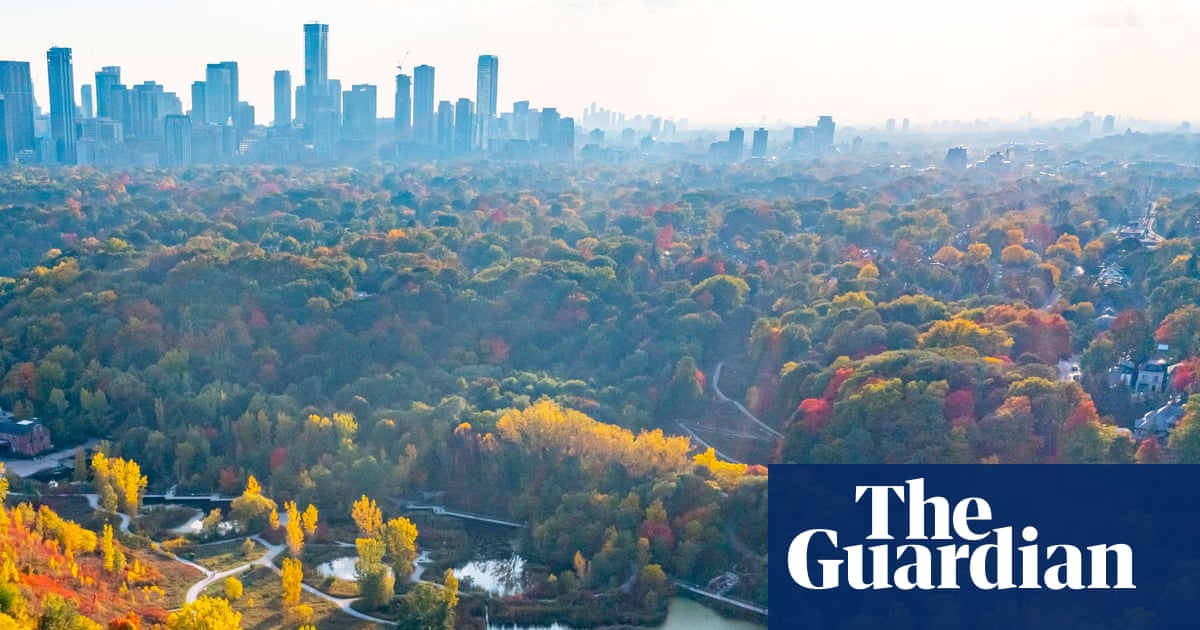
Cameras blinking to life on quiet corners, silently logging every license plate that drifts through Rosedale’s tree-shaded blocks. That’s the pitch — and it’s already got 100 Toronto homeowners ready to pony up C$200 a month.
Craig Campbell didn’t mince words in that packed virtual meeting last March. A local security boss with skin in the game, he laid it bare: friends’ kids held at knifepoint during home invasions, neighbors tossing sleepless nights. Crime here’s double the city average for break-ins, even as Toronto’s overall stats dip. Desperation’s thick in the air, spilling into a WhatsApp group where 60 of 350 chip in for private guards already.
“My friends experienced a horrific home invasion here in the community – their children were held at knifepoint, and they will be traumatised for the rest of their life.”
Campbell’s fix? Flock Safety’s AI wizardry, making its Canadian debut. No facial scans — just plates. The system learns your ride, whitelists the familiar, flags the oddballs. Blacklists build from reports; data hangs around 30 days, cops need warrants. Pair it with those roaming guards, and boom: virtual gated community, first in Canada.
But here’s the thing. Flock’s no mom-and-pop outfit. Over 90,000 cameras strong in the US, they tout 70% crime drops — numbers researchers can’t fully vet. Scratch the surface, though, and it’s messier. Cops shared school data with ICE; one officer hunted an abortion seeker nationwide. Plates misread? Over a dozen flubs led to innocents facing guns, jail, even dog bites. ACLU’s on their case for mass surveillance sins. Hackers? A YouTube vid shows one cracking a camera in under 30 seconds. FlockHopper site’s coaching dodges.
How Does Flock’s AI Actually Spot the Bad Guys?
Peel back the hood — it’s automatic license plate recognition (ALPR) juiced with machine learning. Cameras snap plates 24/7, AI cross-checks against whitelists (your neighbors’ Teslas, say) and blacklists (that creepy van circling twice). Suspicious? Alert pings security’s phone. No biometrics, they swear, just vehicle ghosts haunting the data cloud.
Architecturally? It’s a shift from dumb CCTV to predictive policing lite. Flock’s edge: solar-powered, wireless units anyone can mount — no city permits needed upfront. But why now? Rosedale’s not some dystopian fringe; it’s old money, ravines, ravishing homes fetching millions. Crime’s real — thefts rank third citywide per capita. Yet this tech’s architecture whispers bigger plays: neighborhoods as nodes in a privatized panopticon.
And Campbell? He’s got the Canadian rights, commercial itch undeniable. “For my family’s safety, I’m not waiting around for the government to fix this,” he told the Guardian. Fair. But compare it to iPhone snaps on a corner? That’s spin — this is systematic, scalable, sticky data trails.
Will Toronto’s AI Surveillance Plan Survive Privacy Laws?
Canada’s no US free-for-all. PIPEDA looms large, treating this camera web as personal data hoover, not mere security toy. Legal eagles predict court fights if it rolls out. Toronto police? Cautious nod to residents’ fears, but flags on privacy, storage, sharing. “Seek guidance,” they say — code for ‘tread light.’
Zoom out. This isn’t isolated. Gated enclaves have dotted sunny burbs for decades, walls up against the riffraff. Rosedale’s twist? Invisible gates, algorithmic enforcers. My take — unique angle you won’t find in the original dispatch: it’s feudalism 2.0. Medieval lords manned physical gates; today’s barons deploy AI sentinels, turning public byways into subscription serfdoms. Predict this: if Rosedale sticks, expect copycats in Vancouver’s Shaughnessy, Montreal’s Westmount. Suburbs splintering into data dukedoms, city cohesion fraying.
Enthusiasm ran hot at the meeting — cheers in the chat. WhatsApp’s abuzz. But dissent simmers: AI bias baked in? Profiling by postcode? Black residents wary, given US error rates hitting the vulnerable hardest. One speaker nailed it: broader surveillance spectre.
Flock pushes back: compliant, they claim. Campbell echoes. Yet US scars linger — those innocent stops aren’t footnotes; they’re the how of eroded trust. Why does this matter? Because the ‘how’ reveals architecture: opt-in for the rich, opt-out impossible for passersby. Your plate’s logged sans consent, whitelisted or not.
Look, crime sucks. No one’s arguing that. But privatized AI watchtowers? They normalize constant logging, nudge toward total visibility. Canada’s stricter laws might slam the brakes — good. If not, Rosedale becomes testbed for AI’s suburban siege.
Short para. Bold move.
Deeper: Flock’s model thrives on scale. Each hood funds its pod; network effects kick in. Police tap in legally, get citywide ghosts. That’s the why — not just safety, but a new security economy, residents as shareholders in their own surveillance state.
Critique the hype. 70% crime cut? Untested here. Errors? Proven. And that commercial interest? Campbell’s upfront, but it colors the urgency.
Why Does Neighborhood AI Surveillance Signal Bigger Shifts?
Because it hacks urban fabric. Streets were commons; now they’re gated by code. Historical parallel: 19th-century company towns, bosses owning all eyes. Today, it’s VCs and VPs funding the gaze. Prediction: by 2030, 20% of North American affluent hoods run similar. Governments cheer — less burden. Privacy erodes quietly.
Toronto cops dropping rates overall? True. Rosedale’s spike? Real. Solution can’t be billionaire bunkers with bots, though. Community watches, better lighting — analog wins sometimes.
One sentence warning.
The row rages on. Will moneyed fear trump data dread?
🧬 Related Insights
- Read more: AI Startups: Ditch the Vector-Only Myth Before Billing Breaks You
- Read more: 2025 LLM Papers Mid-Year Pivot: Reasoning Over Raw Scale
Frequently Asked Questions
What is Flock Safety’s AI surveillance system?
Flock uses AI-powered cameras to read license plates, building whitelists of known vehicles and alerting on suspicious ones — no facial recognition, data held 30 days.
Is Flock’s tech legal in Canada?
Likely faces PIPEDA challenges as a data collection system; stricter privacy laws than US could block or reshape deployment.
Does AI license plate reading reduce crime?
Flock claims up to 70% drops, but independent verification’s spotty; US cases show errors leading to wrongful stops.