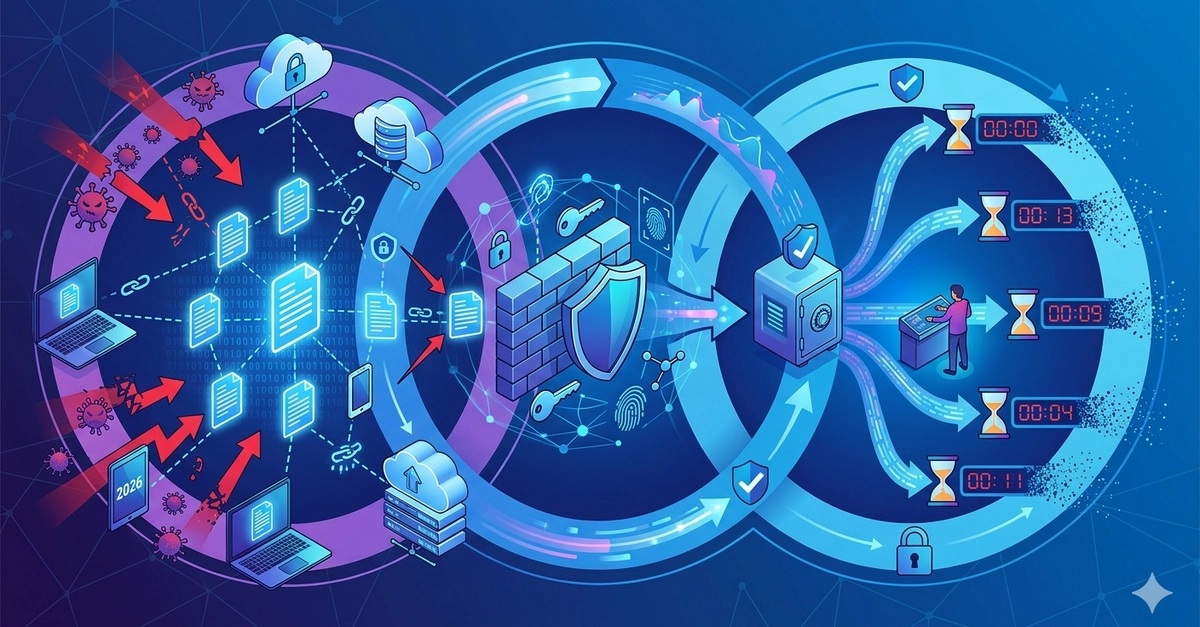
€10 million. Or 2% of global turnover—whichever stings more. That’s the fine hammer EU regulators can drop on ‘essential entities’ flouting NIS2 come October 2024.
And here’s the kicker: it’s not just faceless corps. Developers shipping code for energy grids, hospitals, or cloud backends? You’re in the crosshairs.
NIS2 isn’t some vague nudge like its 2016 predecessor. This beast—Directive (EU) 2022/2555—swells coverage to 18 sectors, splits firms into ‘essential’ and ‘important’ camps, and pins personal liability on execs. Miss the mark? Boards get yanked from their seats.
Why NIS2 Suddenly Means Business for Your Pull Requests
Look, devs have shrugged off compliance checklists forever—‘That’s ops’ territory, right? Wrong. Article 21 demands you bake security into acquisition, development, maintenance. Vulnerability handling? Non-negotiable. Supply chain checks on that npm package? Yep.
Energy firms routing electrons through custom apps. Hospitals leaning on lab software. Cloud providers—think AWS rivals—managing DNS or CDNs. If you’re coding there, NIS2’s ‘essential’ label sticks, no matter your headcount.
Even ‘important’ entities—food distributors, social platforms, research orgs—face lighter but real heat. Medium outfits (50+ staff, €10M turnover) qualify across the board. Size exemptions? Rare, like for TLD registries.
But wait—ENISA’s guidance whispers that ‘significant incidents’ trigger the nightmare: 24-hour early warnings to CSIRTs, 72-hour updates, full root-cause reports in a month. Disrupt ops severely? Report it.
NIS2 Article 20 requires that management bodies of essential and important entities approve cybersecurity risk management measures and oversee their implementation. Management must undergo cybersecurity training.
That’s straight from the directive. Execs approving your risk policies? Training on phishing? Personal bans for screw-ups? This flips the script—devs report up, but bosses own the fallout.
Does Your Stack Pass the Article 21 Litmus Test?
Start here: risk analysis. Map threats to your info systems—policies first, then drill down.
Incident handling—prevention, detection, response. Got playbooks? Test ‘em.
Business continuity: backups, DR plans. No more ‘whoops, ransomware ate the prod DB.’
Supply chain: vet suppliers. That third-party API? Demand their security posture.
Dev lifecycle security: vuln disclosure in CI/CD. Basic hygiene, training, crypto policies, MFA (or continuous auth), access controls, asset mgmt.
Assess effectiveness? Regular audits. It’s a loop, not a one-off.
Here’s my take—the unique twist NIS2 PR glosses over. Remember GDPR’s 2018 bloodbath? Fines flew, but mostly paperwork chases. NIS2? It’s GDPR meets Sarbanes-Oxley for cyber: management liability echoes Enron-era exec accountability. Predict this: by 2026, we’ll see the first boardroom ousters over a dev oversight-turned-breach. Not hype—architectural shift from ‘tech debt’ to ‘personal debt.’
Short para punch: Prioritize MFA tomorrow.
Who’s Exempt? (Spoiler: Probably Not You)
Postal services, waste mgmt, chem plants, food chains, manufacturers (med devices to cars), online marketplaces, search engines, social nets, research. ‘Important’ tier, sure—but €7M fines or 1.4% turnover await.
Digital infrastructure? Cloud, data centers, CDNs—essential, full throttle.
Public admin, space? Essential. Banking, health, transport, utilities? Duh.
Devs freelancing for these? Contracts now demand NIS2 clauses. Ignore? You’re the weak link.
And training—board-level cyber awareness. It’s law. Skip it? Remediation orders, audits, public shaming.
Blueprint: 10 Measures to Wire In Today
-
Risk analysis + security policies. Document everything.
-
Incident handling framework. 24/72/1M reporting baked in.
-
Continuity planning—backups, DR tested quarterly.
-
Supply chain security. Supplier questionnaires, now.
-
Secure dev: vuln mgmt in pipelines. Tools like Snyk, or ismycodesafe.com’s 110 web checks.
-
Effectiveness assessments. Metrics, not vibes.
-
Cyber hygiene + training. Phishing sims for all.
-
Crypto/encryption policies. Enforce TLS 1.3, key mgmt.
-
HR security, access, assets. Least privilege, always.
-
MFA or better. No exceptions.
Wander a sec: I’ve seen teams bolt this on post-breach. Don’t. Article 21 screams ‘all-hazards,’ proactive. EU states transpose by Oct ‘24—non-EU firms with EU ops? Same pain.
Why Developers Bear the Brunt Now
You’re the architects. Execs approve, but you build. NIS2’s ‘how’ exposes the shift: cyber from IT ticket to C-suite KPI. Penalties scale with turnover—unicorns quake.
Bold call: this forces open-source hygiene upgrades. Expect forks with NIS2 seals, compliance badges in repos. Historical parallel? Y2K prepped codebases for scale; NIS2 preps for resilience.
Corp spin? ‘Easier compliance!’ Nah—it’s a regulatory minefield disguised as best practice. Call it: overdue, but devs pay the integration tax.
Prep steps: assess applicability, risk scan, implement 21, IR plan, supply audit, train up, vuln scans routine.
🧬 Related Insights
- Read more: Akashic Records: The Open-Source Trap to Cage Your Digital Ego
- Read more: Mic Live: Crafting Browser-Native Voice AI That Talks Back Instantly
Frequently Asked Questions
What is NIS2 compliance for developers?
It’s embedding 10 Article 21 cyber measures—risk mgmt, MFA, incident reporting—into code for EU sectors like energy, health, cloud by Oct 2024, or face €10M fines.
How do I check if NIS2 applies to my project?
Scan sectors: essential (energy, banking, cloud) or important (food, social platforms). 50+ employees or €10M turnover? Yes. Devs for them? Indirectly, via contracts.
What are the biggest NIS2 penalties for non-compliance?
Essential entities: €10M or 2% global turnover. Important: €7M or 1.4%. Plus exec bans, audits.