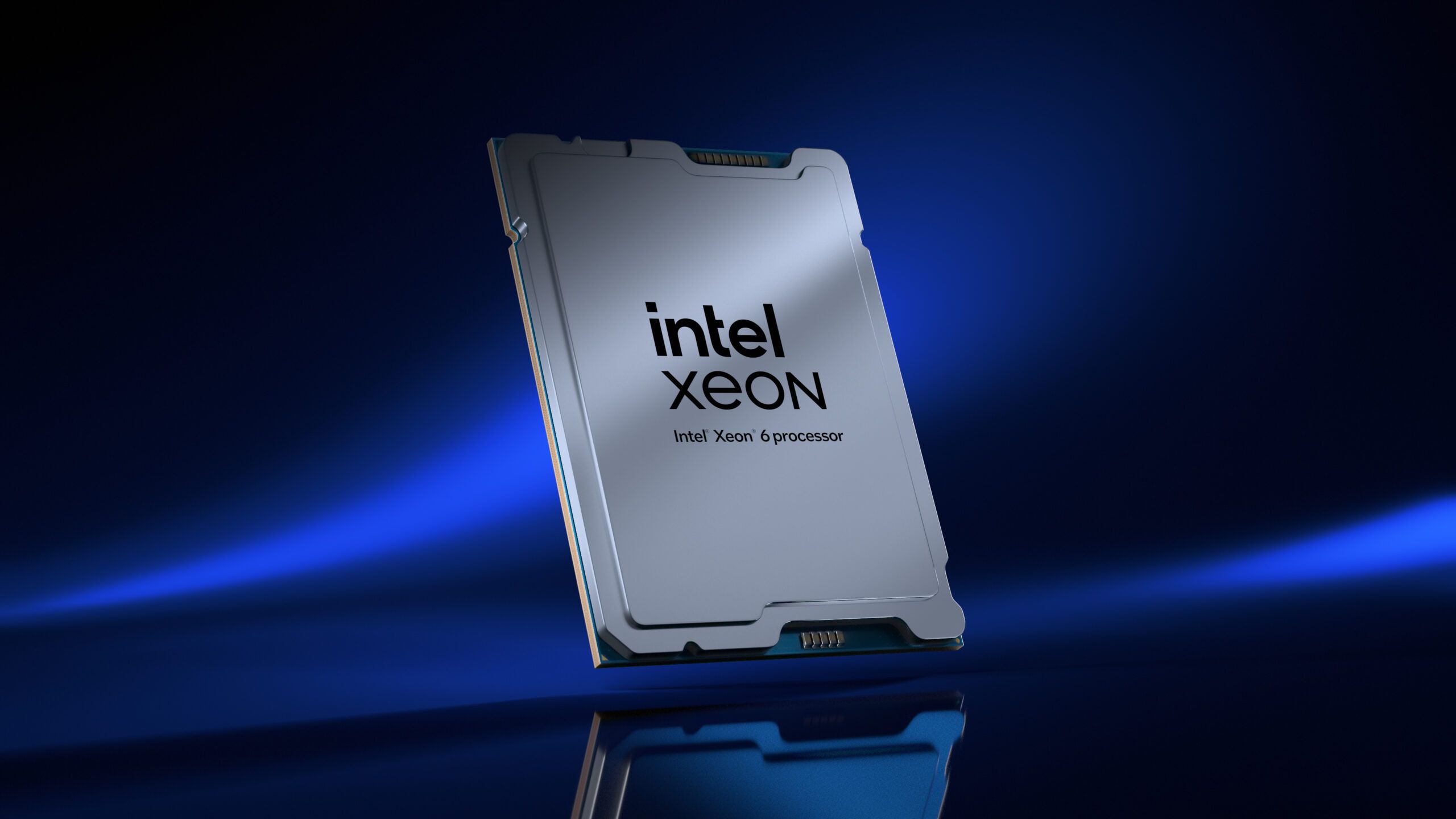
The whispers are getting louder, and they aren’t good for Intel’s server ambitions. It appears the “Diamond Rapids” Xeon 7 family, once pegged for a late 2026 or early 2027 debut, has been officially shoved into the latter half of 2027, according to industry leaker Jaykihn. This isn’t just a minor slip; it’s a strategic blunder that leaves Intel scrambling to catch up.
Remember the 8-channel variant cancellation last year? Intel’s decision to trim its Diamond Rapids lineup to only 16-channel SKUs was a hint of trouble. Now, with a 2027 release date, Diamond Rapids won’t even get a chance to wrestle with AMD’s EPYC “Venice” CPUs, which are still projected to hit the market in 2026. That’s a two-year gap, folks.
A Server Race Intel Seems to Be Losing
At launch, Diamond Rapids is rumored to top out at a hefty 256 cores, all of them P-cores, with a 512-core silicon option following shortly thereafter. Both will use 16-channel memory, offering a theoretical throughput of 1.6 TB/s thanks to MRDIMM 2 support. The underlying “Panther Cove-X” architecture is supposed to be the workhorse, and compatibility with the LGA9324 socket is also on the table for both variants. But will it be enough?
This generation, incidentally, is also notable as the last Xeon line without hyperthreading. Intel’s next-gen “Coral Rapids” is slated for a mid-2028 launch and is expected to reintroduce Simultaneous Multi-Threading (SMT). The flexibility on the Coral Rapids front is interesting; Intel mentioned in a recent quarterly earnings call that its rollout can be “accelerated in response to market demand.” This contingency plan, while presented as agile strategy, feels more like damage control given the current delays.
What About Clearwater Forest?
The leak also forecasts “Clearwater Forest,” the successor to the E-core-only “Sierra Forrest,” for the first half of 2026. Positioned as a Xeon 6+ platform, it’s designed to bridge the gap to Xeon 7, featuring up to 288 Darkmont E-cores and 12-channel DDR5-8000 memory, manufactured on Intel’s cutting-edge 18A node. While this sounds promising, it’s all part of a staggered rollout that seems to be consistently outpaced by the competition. Intel’s roadmap, if these leaks hold any water, reads more like a wish list than a concrete plan.
This staggered approach is a classic Intel move – try to cover all bases with multiple product families. But when your flagship performance part (Diamond Rapids) is continuously pushed back, the interim products lose some of their shine. It’s like launching the supporting acts of a concert while the main headliner is still stuck in traffic.
“As mentioned in Q1 call, may be accelerated.”
This single line from the leaked roadmap is a flashing neon sign. It’s not a statement of confidence; it’s a hedged bet. Intel is signaling that it might speed things up if the market demands it, which implicitly means they aren’t entirely confident in their current timelines or market positioning. The fact that AMD’s roadmaps for “Venice” and “Verano” appear far more stable is a stark contrast. “Venice” is on track for this year, “Verano” for 2027. Intel is now looking at a replay of the recent past, where its server offerings consistently lag behind.
The data center isn’t waiting. AI workloads, cloud computing, high-performance computing – they all demand raw power and efficiency. Companies are making multi-year infrastructure decisions now. If Intel can’t deliver its competitive products on time, it cedes ground, and market share lost in the data center is notoriously difficult to reclaim. We saw this with AMD’s rise with EPYC; Intel is in danger of letting that happen again.
My unique insight here? This isn’t just about core counts or memory bandwidth. This is about Intel’s ability to execute and project confidence. The market doesn’t just buy specs; it buys reliability and a clear future roadmap. The constant delays and perceived need to “accelerate” on demand speak to a fundamental issue with Intel’s internal development pipeline. They seem to be perpetually playing catch-up, a position that erodes investor confidence and, more importantly, customer trust.
Look, the server CPU market is a brutal arena. It’s not about having the next big thing; it’s about having the now big thing that meets market needs. Intel’s “Diamond Rapids” delay suggests they’re missing the moment, and that’s a problem far bigger than a few missed launch dates. It’s a signal that the Blue Team’s grip on the server crown might be loosening more than they’d care to admit.
🧬 Related Insights
- Read more: OpenAI’s Teen Safeguards: Band-Aid or Bust?
- Read more: Google and Kaggle’s Free GenAI Bootcamp: Hands-On Gold or Google Sales Pitch?
Frequently Asked Questions
What is Intel’s Xeon 7 Diamond Rapids?
Xeon 7 “Diamond Rapids” is Intel’s upcoming server CPU architecture, designed to compete in the high-performance computing and data center market. It was initially expected to launch earlier but is now reportedly delayed to 2027.
Will Intel’s new CPUs have hyperthreading?
No, the “Diamond Rapids” generation is expected to be the last Xeon line without hyperthreading. Intel’s subsequent “Coral Rapids” lineup is slated to bring back SMT.
How does Intel’s delay affect the server market?
Significant delays in Intel’s product roadmap can allow competitors, such as AMD, to gain market share and establish technological dominance. It also creates uncertainty for businesses planning their infrastructure investments.