Everyone was bracing for impact. Markets had priced in the worst-case scenario: Trump’s overnight vows to hit Iran “extremely hard,” oil surging to $115 a barrel, crypto getting dragged down as risk appetite evaporated. The Nasdaq was down 2%. Bitcoin was bleeding. Crude was screaming higher.
Then Iran basically said: “Actually, no.”
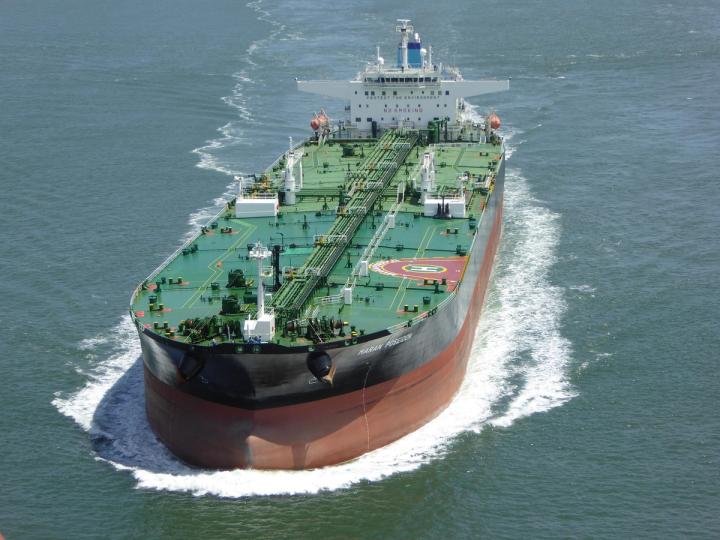
Thursday’s reports that Iran is drafting a shipping protocol with Oman to manage traffic through the Strait of Hormuz didn’t just ease tensions—it flipped the entire script. Oil collapsed nearly $5 per barrel in minutes. Markets erased massive early losses. Bitcoin trimmed its decline. And suddenly, the doomsday trade everyone had crowded into looked premature.
What Actually Happened Here?
Let’s be clear about what Iran’s deputy foreign minister Kazem Gharibabadi actually said:
“The proposed measures are not intended to restrict passage, but to ‘facilitate and ensure safe passage’ and improve services for vessels moving through the route.”
That’s diplomatic-speak for: we’re not blocking your oil. We’re just… coordinating. It’s about safety. Very reasonable. Very normal. Yawn.
Except the market doesn’t care about reasonableness when geopolitical risk is on the table. The Strait of Hormuz handles roughly 21% of the world’s oil supply. If Iran actually throttled it—or if Trump’s escalation spiral turned into actual kinetic conflict—energy prices would go ballistic. Insurance premiums would spike. Shipping costs would double overnight. The entire global economy feels that.
But here’s the thing: Iran just told everyone that’s not happening. Not right now, anyway.
Why Does This Wreck the Trump War Premium?
Trump’s words on Wednesday night were meant to scare. “Extremely hard.” “Naturally open once the war ends.” Classic Trump escalation theater—implied threat, vague timeline, maximum drama. The market responded like it always does: assume the worst, bid up oil, sell risk assets, hunker down.
Then Iran walked it back (or appeared to). And suddenly Trump’s threat loses its price-driving power. You can’t sustain a war premium if the guy you’re threatening to pummel is playing cooperative peacemaker. It breaks the narrative.
WTI crude had surged on Trump’s comments. Now it’s down $5. That’s not a correction. That’s the market saying: “Okay, false alarm. Back to normal prices.”
Crypto felt the shockwave too. Bitcoin and altcoins both trimmed losses—though they’re still “sharply lower over the past 24 hours,” which means the bigger downdraft isn’t about geopolitics. It’s about something else. More on that in a second.
The Real Problem With Crypto Right Now
Here’s where the story gets interesting. Yes, Iran’s cooperation signal helped ease some downside pressure. But Bitcoin’s still struggling. And that’s not because of oil prices or shipping routes.
Crypto has its own headwinds right now—ones that have nothing to do with Trump or Tehran. Derivatives data is painting a bearish picture: negative funding rates, rising open interest on Solana (a risky bet), and more put options trading than calls. That’s the smell of traders bracing for downside, not celebrating upside.
Bitcoin’s trapped near $67,000 in what technicians call a “consolidation phase.” Low volatility. Muted futures activity. No conviction. While altcoins—especially DeFi and AI tokens—are outperforming on thin liquidity. That’s a classic setup for a trap. When liquidity dries up, small rallies feel huge. But they’re fragile.
So the Iran news? Nice short-term relief. But it doesn’t solve Bitcoin’s structural problem: traders are hedging for a drop, not positioning for a breakout.
The Geopolitical Theater Beneath It All
This whole episode reveals something uncomfortable about modern markets: they’re absurdly sensitive to geopolitical theater, even when the underlying fundamentals haven’t changed.
Trump says he’ll hit Iran hard. Market panics. Iran says it’ll cooperate on shipping. Market exhales. Neither statement necessarily means much will actually happen. But the price action is real. Fortunes shifted in hours based on diplomatic messaging.
It’s a reminder that in crypto and equities, narrative moves faster than reality. Trump’s war talk was bullish for oil, bearish for risk assets. Iran’s cooperation pivot flipped the script. But the actual military situation, the actual geopolitical tension—that didn’t change overnight. Just the story everyone’s telling themselves about it.
And stories are tradeable. Reality is slow.
What Happens Now?
If Iran’s signal holds and tensions actually cool, we might see a structural shift lower in oil prices. That’s deflationary pressure—good for bonds, neutral-to-slightly-good for equities (depending on how you feel about demand destruction). Crypto doesn’t have a direct relationship to oil, but it does track risk sentiment. Less geopolitical fear means less flight-to-safety demand for bonds, which means more appetite for risk assets like Bitcoin.
But. And this is a big but. If this is just Iran saying the right things while Trump escalates behind the scenes, we could see a second wave of panic. The market’s been whipsawed before. Expect traders to be skeptical of any apparent de-escalation until it’s actually proven.
For now? Markets are treating this as genuinely good news. The 2% Nasdaq loss disappeared. Oil’s down. Bitcoin trimmed losses. But crypto’s still underwater, which tells you the real problem isn’t geopolitics—it’s technicals and sentiment. Iran’s cooperation is nice cover. The actual downside pressure remains.
🧬 Related Insights
- Read more: Franklin Templeton Buys Into Crypto With 250 Digital Acquisition—Here’s Why It Matters
- Read more: Bitcoin’s $68,000 Wall: Why This Level Matters More Than The Headlines
Frequently Asked Questions
What does Iran’s Strait of Hormuz protocol actually mean? Iran is proposing to work with Oman to coordinate and monitor shipping traffic through one of the world’s most critical oil chokepoints. Iranian officials insist this is about safety and coordination, not restricting passage. The market interpreted it as a de-escalation signal.
Why did oil prices fall so fast after Iran’s announcement? Trump’s overnight threats had sent crude to nearly $115 per barrel on war premium fears. When Iran signaled cooperation instead of confrontation, traders unwound those bets immediately. Oil dropped about $5 per barrel on the news.
Is Bitcoin recovering because of the Iran news? Partially. Bitcoin trimmed losses alongside risk assets after the geopolitical relief. But crypto remains sharply lower because of separate technicals—negative funding rates, bearish derivatives positioning, and low conviction among traders. The Iran de-escalation was a short-term tailwind, not a structural fix.
Will this shipping protocol actually prevent conflict? No one knows yet. Diplomatic protocols can signal intent, but they don’t eliminate underlying geopolitical tensions. Traders are betting it’s genuine. But if Trump escalates anyway, the market could swing hard the other direction.
