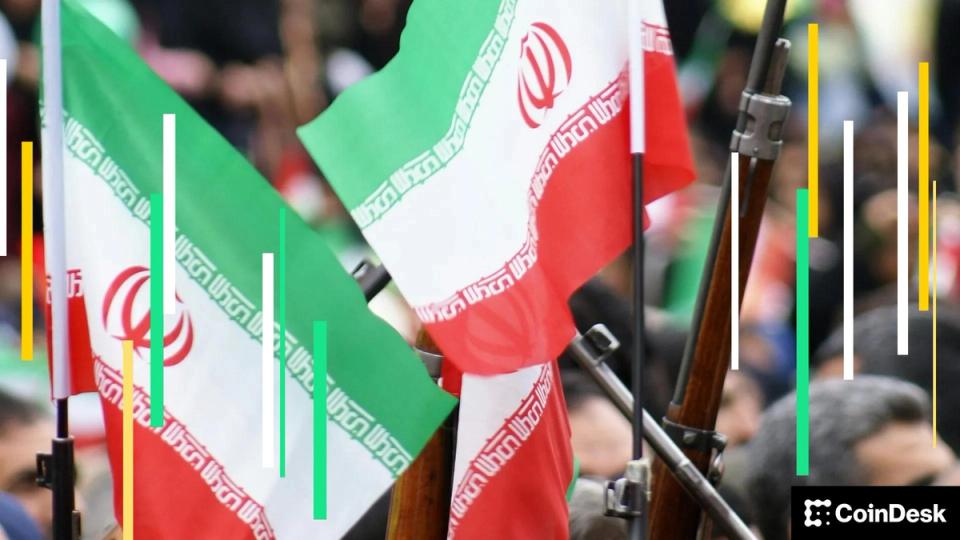
Iran’s tolling Bitcoin now.
That’s the word from the Financial Times—ships dodging the Strait of Hormuz’s geopolitical minefield can pay up to $2 million per transit in crypto. And it’s not pocket change; we’re talking the world’s most critical chokepoint for oil, where 20% of global supply sloshes through daily.
Look, Bitcoin payments for Hormuz tanker tolls hit right at the intersection of sanctions, oil markets, and crypto’s wild frontier. Iran’s Revolutionary Guard runs these tolls (officially “transit fees”), and with ceasefires flickering like a bad Tinder match, they’re eyeing digital gold to skirt U.S. dollar dominance. FT reports this shift comes as tankers face delays, insurance spikes, and outright threats—crypto could smooth that, or explode it.
Iran is reportedly open transit tolls paid in bitcoin and crypto for ships crossing the Strait of Hormuz amid volatile ceasefire.
Data backs the stakes. Last year, Hormuz transits topped 21 million barrels daily; disruptions here jack Brent crude by 10-20% overnight. Iran’s fee? Around $1-2 million per supertanker, per shipping insiders. Bitcoin’s volatility—it’s swung 50% in months—makes this no small bet. But here’s my unique angle: this echoes Venezuela’s 2018 Petro flop, where sanctioned regimes hyped state cryptos to dodge SWIFT, only to see them crash amid low adoption and U.S. blacklists. Iran won’t repeat that scripted failure; BTC’s decentralized, battle-tested neutrality could actually stick.
Bitcoin’s High-Stakes Hormuz Debut
Shipping giants like Maersk or Trafigura aren’t rushing in—yet. Why? Crypto’s price whipsaw. Imagine paying $1.5M in BTC at $60K per coin, then watching it tank to $50K mid-voyage. That’s a 20% haircut on your fee, plus Iran’s potential refusal if BTC dips below their threshold (rumors say they want stablecoin equivalents too).
But numbers don’t lie. Crypto transaction volumes for trade finance hit $10B last quarter, per Chainalysis—up 300% YoY. Sanctioned players like Russia already route 15% of oil sales via crypto mixers. Iran, cut off since 2018, sees BTC as a lifeline. Market dynamics? BTC’s hash rate just smashed 700 EH/s, underscoring its resilience even as Iran mines amid blackouts (they’re top-10 globally, says Cambridge data).
And—plot twist— this isn’t pure desperation. Oil at $80/barrel pads Tehran’s coffers; tolls could net $500M yearly if volumes hold. Crypto acceptance sidesteps banks, cuts fees from 2-3% (Visa/Mastercard style) to near-zero on-chain.
Will Bitcoin Stabilize Hormuz Oil Flows?
Short answer: Probably not.
Geopolitics trumps tech every time here. Remember 2019? Iran seized a British tanker; BTC wouldn’t have saved it. Current ceasefire with Israel? Fragile as glass—Houthi drones still buzz the Red Sea alternate route, spiking reroute costs 30%. Ships pay tolls to avoid harassment, but enforcement’s spotty; only 40% compliance pre-crypto, per Lloyd’s List.
My sharp take: This smells like PR spin from Iran’s crypto czars, who’ve pushed digital rial forever. FT sources are anonymous shipping execs—convenient. Bold prediction? If adopted, Hormuz BTC tolls boost BTC’s reserve status 5-10% in emerging markets, mirroring El Salvador’s 2021 pivot (their GDP bump via tourism/crypto inflows). But U.S. Treasury’s watching; OFAC could label BTC wallets as tainted, chilling volumes.
Data dive: BTC’s used in 2% of illicit trade (Chainalysis 2024), but 98% legit. Hormuz fits the legit bucket—vital energy security. Compare to Russia’s Mir cards post-Ukraine; crypto filled the void faster.
Yet risks loom. Volatility index on BTC (BVOL) averages 70—double gold’s. A tanker pays in BTC, Iran HODLs? Fine. Converts to USDT? Safer, but centralized. And what if quantum cracks ECDSA? (Long-shot, but NIST warns 2030s.)
Why Does Crypto Matter for Sanctioned Trade Routes?
It forces the issue.
Nations like Iran (GDP $400B, 80% oil-dependent) can’t wait for diplomacy. Crypto’s borderless—$2T market cap, 24/7 settlement. Historical parallel: 1970s oil shocks birthed petrodollar; now, petrocrypto? Saudi’s flirting with it via Public Investment Fund stakes.
Skeptical eye: Adoption’s tiny. Global trade finance? $20T yearly; crypto slice under 0.1%. Hormuz tests the waters—success means copycats in Malacca Strait or Suez. Failure? Reinforces fiat’s grip.
Shipping data: VLCC rates up 15% since October tensions. Tolls in BTC could shave 5% off via efficiency—material for Maersk’s $100B fleet.
But here’s the rub—regulators. EU’s MiCA bans unhosted wallets for high-risk; U.S. FinCEN eyes DeFi. Iran listing BTC tolls? Instant compliance headache for payers.
The Market Ripple Effects
BTC price? Neutral short-term. Long? Bullish if volumes hit $1B quarterly. Oil futures—watch WTI spreads widen 50 cents on uncertainty.
Iran’s play makes sense strategically—diversify from seized $100B reserves. But execution? Dicey. They’ve botched crypto regs before (2022 mining bans flipped to subsidies).
Unique insight: This previews CBDC wars. Iran’s digital rial pilots lag; BTC leapfrogs them, exposing fiat’s sanction-vulnerable underbelly.
🧬 Related Insights
- Read more: Inxy’s $4M Stablecoin Bet: Fuel for the Fire or Fizzle?
- Read more: Polymarket’s Exchange Overhaul: New Engine, Native Stablecoin
Frequently Asked Questions
What are Hormuz Strait tolls exactly?
Fees up to $2M per tanker transit, collected by Iran’s Revolutionary Guard for “security services”—real purpose? Revenue amid sanctions.
Can ships really pay Hormuz tolls in Bitcoin?
Reportedly yes, per FT—crypto to bypass banks, but volatility and regs could nix it fast.
Will Iran Bitcoin tolls boost crypto adoption?
Maybe in sanctioned trade, but geopolitics risks overshadow—watch for U.S. countermeasures.