Google’s full of hot air—literally.
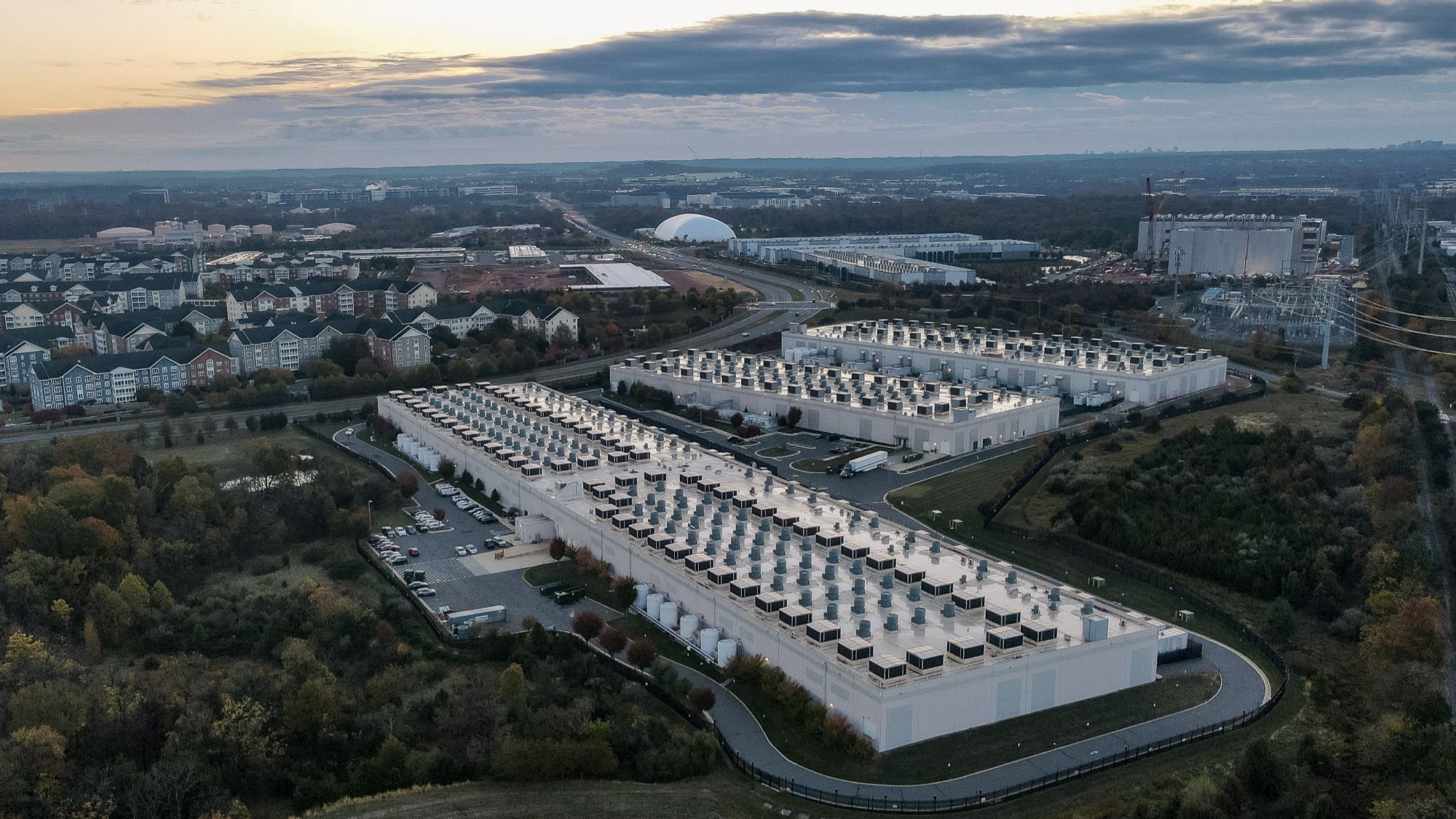
And not the renewable kind. The tech behemoth, once the poster child for corporate greenwashing, is now knee-deep in natural gas to juice its AI datacenters. Picture this: a 933-megawatt behemoth in the Texas panhandle, belching out 4.5 million tons of CO2 yearly. That’s San Francisco’s entire annual output, folks. For two buildings on the Goodnight campus. Charming.
Crusoe Energy’s permit application lays it bare—no sugarcoating. Off-grid power, straight from fossil fuels, construction already humming via satellite snaps from Cleanview. Google? They confirm the partnership but dodge with “no contract yet.” Sure, Chrissy. And I’m the next pope.
“Google has spent decades crafting an image as a clean energy leader,” said Michael Thomas of Cleanview. “I’ve always considered them to be the most committed to their climate goals. But these projects suggest a major strategic pivot at the company could be under way.”
Thomas nails it. Google’s pivoting alright—right into the arms of Big Gas.
Why the Sudden Love for Gas in AI Datacenters?
AI’s a power hog. No shock there. Training models like Gemini? It guzzles electricity like a frat boy at last call. Google’s emissions spiked 48% since 2019, thanks to datacenter sprawl. Their fix? Ditch carbon credits for “building the grid.” Noble, until you see the grid’s fueled by methane monsters.
Texas Goodnight’s just the start. Illinois gas deal in October. Nebraska whispers last month. And don’t forget the windfarm fig leaf—they tout Serena Energy like it’s absolution. But here’s the kicker: Google’s head of advanced energy, Michael Terrell, stonewalled Axios. “We don’t have anything to say on that.” Classy deflection.
Meanwhile, 2030 net-zero? Poof. Now it’s “climate moonshots”—Google-speak for pie-in-the-sky dreams that might flop, like Loon balloons. Ambition-based goals? Translation: we’ll try, pinky-swear, but AI’s too juicy to crimp.
My unique take? This reeks of 1980s oil majors. Exxon pledged green tech post-spill, then drilled Alaska dry. Google’s scripting the sequel: AI gold rush trumps tree-hugging every time. Bold prediction: shareholder lawsuits by 2027, when “moonshots” miss and emissions hit escape velocity.
Short version: Greed wins.
But let’s unpack the peer pressure. Meta’s Louisiana gas palace. Amazon’s gigawatt guzzlers. Microsoft cozying with Chevron for 2.5GW in Texas. Hyperscalers united—in hypocrisy. They’ve resisted fossil fuels for years, or so the PR reels claimed. Now? Gas is the new normal for AI infrastructure.
Is Google’s Gas Plant a Climate Death Knell?
Not quite apocalypse. But damn close for credibility. Cleanview’s Michael Thomas calls it Google’s first direct fossil bet. From pioneer to polluter in months. And the spin? “Carbon-free focus intact.” Laughable. Natural gas is 50% cleaner than coal—big whoop. It’s still a greenhouse grenade.
Texas panhandle: sparse, sure. But emissions don’t care about zip codes. 4.5M tons? That’s fueling the climate crisis while Google preaches sustainability at Davos. Dry humor alert: Their datacenters might run cooler, but the planet’s fever’s rising.
Google’s 2025 report admits complexity. AI growth = emission uncertainties. So they soften goals, rebrand as moonshots. Smart PR, terrible ethics. (Moonshots worked for Waymo; balloons? Bust. Betting the planet on that? Reckless.)
And the alternatives? Nuclear’s slow. Renewables intermittent. But gas? Bridge fuel, they say. Bridge to where—hell?
Peer hypocrisy parade continues.
Meta, Amazon, Microsoft—all gas-guzzling for AI. Chevron deal seals it: Big Tech + Big Oil bromance. Years of net-zero vows? Vaporware.
What Happens When AI Eats the Grid?
Datacenters already strain Texas ERCOT. Add Crusoe’s plant—off-grid, selfish. No sharing the juice. Google’s not just powering AI; it’s seceding from the energy ecosystem.
Bold call-out: This is corporate feudalism. Build your fiefdom, screw the commons. Historical parallel? Enclosure acts in England—privatize gains, socialize pain. CO2’s the pain we’re all inhaling.
Prediction: Regulators wake up. EU carbon taxes hit hard. US follows by 2028. Google scrambles to SMRs (small modular reactors), but too late for trust.
Humor break: Google’s motto? Don’t be evil. Updated: Don’t be seen being evil—with gas stacks hidden in panhandles.
But seriously. AI’s promise? Undeniable. ChatGPT magic, image gen wonders. Cost? Planetary bill we’re footing.
Google could lead—restart geothermal pushes, lobby for grid upgrades. Instead? Gas shortcuts. Pathetic.
The fallout looms.
Investor revolt? Possible. ESG funds dump shares. Consumer backlash? Gen Z boycotts Search. (Okay, maybe not. But try me.)
Texas locals? Mixed. Jobs yay, pollution nay. Armstrong County’s getting a boomtown vibe—with smokestacks.
🧬 Related Insights
- Read more: 100 RL Cars Just Smashed Highway Stop-and-Go Waves in Real Traffic
- Read more: Amazon Quick’s AI Onboarding Bots: HR Savior or Slick AWS Upsell?
Frequently Asked Questions
Why is Google using natural gas for its Texas AI datacenter?
AI’s insane power demands outstrip renewables right now. Gas is reliable, quick to build—though it trashes climate goals.
Does this mean Google abandoned net-zero by 2030?
Kinda. They rebranded to “moonshots,” admitting AI complicates everything. Emissions up 48% already.
What are cleaner options for AI datacenters?
Nuclear (SMRs), advanced geothermal, massive solar+storage. But they’re slower; gas wins short-term races.