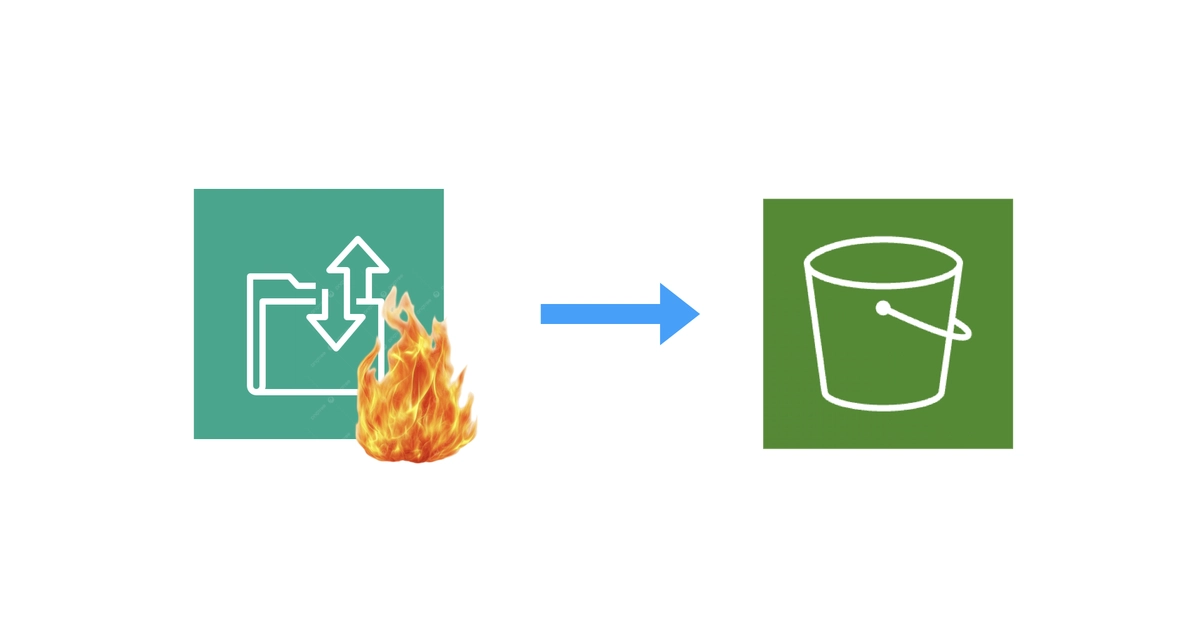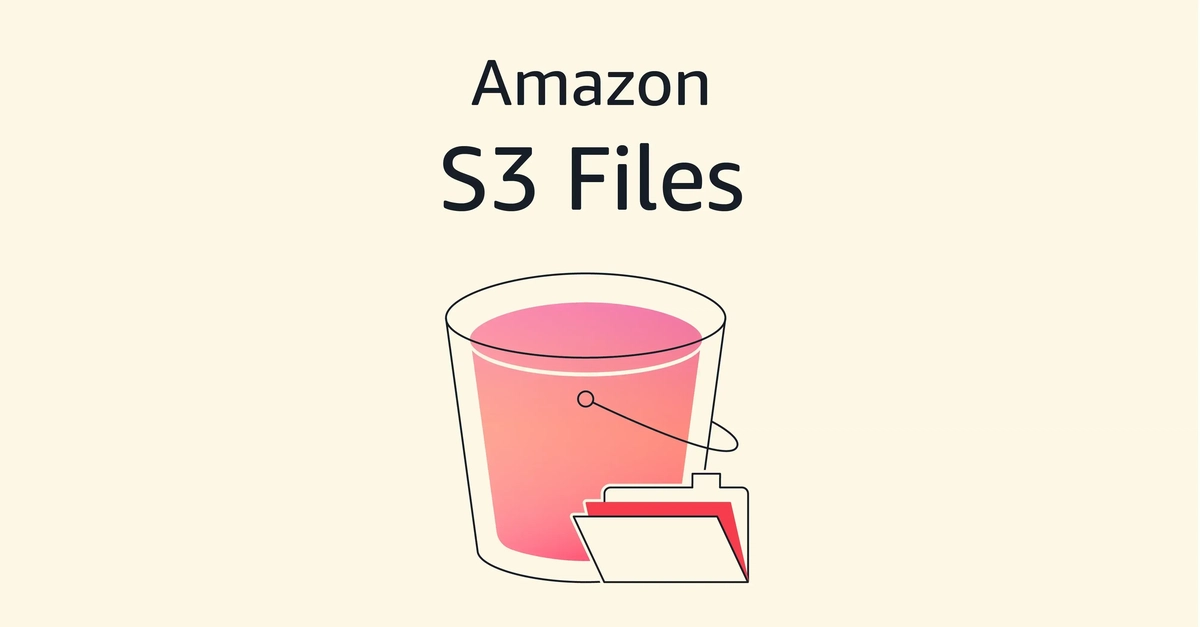
S3 buckets are now hard drives.
And yeah, that hits different. Picture this: your code’s been shackled to SDK incantations forever—initialize, fetch, download, tweak, upload, pray. Slow as molasses, wallet-draining, pure frustration. But AWS dropped S3 Files, and suddenly? It’s like they’ve drilled a wormhole straight from your server to that infinite warehouse in the cloud. No more couriers hauling boxes; you just reach in, grab what you need, done. We’re talking standard file ops—open(), ls, grep—working smoothly on S3. Your terminal doesn’t care if it’s local disk or petabytes away.
“You don’t need to learn a new library. If your code knows how to read a file from a disk (using standard commands like open() or fs.readFile), it now automatically knows how to read from S3.”
That’s straight from the announcement—chills, right? This isn’t hype; it’s a paradigm flip. Latency? Sliced to 1ms. Your app thinks the data’s right there, spinning on an SSD beside the CPU. Infinite storage on a micro-instance? Check. No OOM panics from fat files, no disk-space sweats.
Here’s the thing.
Why Ditch the SDK Forever?
Developers, you’ve suffered enough. That ritual? It’s 2024—archaic. S3 Files mounts buckets as filesystems. Run your legacy app? Point it at the mount, zero code changes. Hunt logs across years? Grep away, instant hits. It’s POSIX-compliant magic (mostly), so tools you love just… work.
But wait—energy surging here—this echoes the NFS revolution back in the ’80s. Remember when Sun Microsystems made remote disks feel local? World changed; networks exploded. S3 Files? That’s NFS on steroids, scaled to exabytes, with AWS’s reliability baked in. My bold call: within two years, 80% of S3 workloads ditch SDKs entirely. No more “fast enough” excuses.
Scalers, rejoice. Tiny EC2? Mount a petabyte bucket. Boom—infinite. AI pipelines? Train on S3 datasets live, no sync marathons. Media pros? Scrub 4K footage direct from cloud, skip the terabyte downloads. Legacy monoliths? Cloud-migrate without rewrites. The wall between object and file storage? Vaporized.
Can S3 Files Handle Your AI Workload?
Oh, absolutely—and here’s my unique twist. We’ve romanticized local GPUs for ML, but S3 Files turns cloud storage into the ultimate co-pilot. Imagine fine-tuning Llama models on S3-held corpora; no EBS sprawl, no data gravity pinning you down. It’s like giving your laptop an exabyte backpack—invisible, instant-access. Skeptics whine about edge cases (permissions, yeah), but AWS’s PR spin glosses that; real talk, test your buckets first. Still, for 90% of flows? Transformative.
Look, the wonder hits when you ls a bucket and it feels… normal. Grep for errors in yottabytes of logs? Seconds, not hours. Video editors, forget Premiere’s import woes—mount, edit, export. DevOps folks, your CI/CD pipelines slim down; no artifact shuffling.
Wild possibilities stack up.
One killer app: disaster recovery. Mount snapshots as live filesystems, spin up apps instantly. No restore rituals.
Is This the End of Local Storage Nightmares?
Kinda. Servers stay lean; data lives eternal in S3. Cost? Predictable—pay for access, not hoarding. But don’t sleep on gotchas: not every op’s optimized (random writes? Meh), and it’s FUSE-based under the hood, so tune expectations. AWS isn’t spinning fairy tales here, though their demos gleam a tad too perfect.
Energy peaks thinking ahead. This bridges cloud to edge—like your Mac’s drive extending to iCloud, but industrial. Serverless data apps? Now viable. We’re not just storing; we’re flowing data as if it’s all one machine. The future? Apps oblivious to storage frontiers.
Mount one today. s3fs your-bucket /mnt/s3—wait, no, that’s old; S3 Files is slicker via AWS CLI or agents. Docs await. Stop downloading in 2024.
**
🧬 Related Insights
- Read more: Linux’s Hidden Binary Ballet: ELF Parsing, Dynamic Linking, and Runtime Surprises
- Read more: Anthropic’s Epic Oops: Claude Code’s Source Spilled Wide Open
Frequently Asked Questions**
What is AWS S3 Files?
It’s a new feature letting you mount S3 buckets as local filesystems using standard file I/O—no SDK needed, 1ms latency for reads.
How do I use S3 Files with my apps?
Install the agent, mount via CLI: your code’s open() or ls works directly on buckets. Zero rewrites for file-based apps.
Does S3 Files work for machine learning?
Yes—train models on massive S3 datasets without downloading; feels like local disk, slashes sync times.