Storm-1175 strikes like lightning.
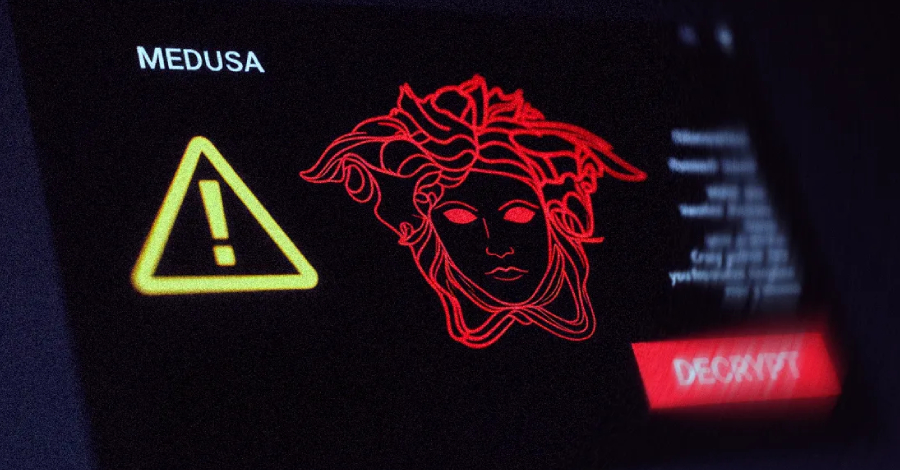
China-based hackers, they’re turning ransomware into a sprint event. Picture this: a vulnerability drops publicly, patches aren’t even whispered about yet, and boom—Storm-1175’s already inside your network, rifling through data, dropping Medusa ransomware before you can say ‘update now.’ It’s not just fast; it’s a brutal reminder that in cyberwar, speed kills.
And here’s the kicker—these guys aren’t your garden-variety script kiddies. They’re financially driven pros, zeroing in on exposed systems worldwide. From initial breach to encryption? Hours, not days. That’s the Storm-1175 playbook, and it’s terrifyingly efficient.
China-based actor Storm-1175 carries out fast, financially driven ransomware attacks by exploiting newly disclosed vulnerabilities before organizations patch them.
That quote from threat intel nails it. They’re feasting on the lag between disclosure and defense, a gap that’s only widening as vuln counts explode.
How Storm-1175 Pulls Off These Blazing Breaches?
Look, it starts simple. Publicly exposed services—think unpatched servers begging for trouble. They scan, they pounce on fresh CVEs, chain exploits like a digital conga line. One flaw gets them in, another escalates privileges, then lateral movement faster than you can chug coffee.
But wait—Medusa’s the payload here. This ransomware’s no slouch; it steals data first, encrypts second, and demands crypto ransoms with a side of extortion. Storm-1175 deploys it post-theft, maximizing pain. Imagine your files locked, your secrets leaked unless you pay up. Nightmare fuel.
They’re China-based, sure, but don’t let geography fool you. This isn’t clumsy state-sponsored bumbling—it’s profit-hungry precision. Ties to other crews? Murky, but the speed screams evolution from older ransomware families.
One short para: Patches. Apply them yesterday.
Now, dig deeper. Storm-1175’s rise mirrors the Stuxnet era’s zero-day frenzy, but twisted for cash grabs. Back then, nations hoarded exploits for sabotage; now, criminals burn through them like matches. My unique take? This is ransomware’s Cambrian explosion—diverse, adaptive, and accelerating toward AI-boosted targeting. Predict this: by 2025, we’ll see Storm-like groups using ML to predict vuln hotspots, auto-chain exploits. Hype? No, trajectory.
Why Can’t Companies Keep Up with Storm-1175 Speed?
Blunt truth—they’re drowning. Vuln disclosures hit 20k+ yearly, patching cycles stretch weeks. Storm-1175 exploits that chaos, hitting before AV signatures even dream of existing.
Take a breath. Organizations chase alerts reactively, not proactively. Exposed RDP? Toast. Weak web apps? Breached. And Medusa? It evades EDR with obfuscation tricks, living in memory, whispering commands.
But here’s the wander: remember SolarWinds? Slow burn. Storm-1175’s the microwave—zap and done. Critique their PR spin? Wait, no PR here; intel firms hype the ‘China threat’ for clicks. Real issue? Underinvestment in automation. You’re still manual-patching? Wake up.
Energy’s building. Defenses must match: zero-trust everywhere, AI-driven vuln prioritization (ironic, right?), continuous scanning. Storm-1175 forces the upgrade—or else.
Single sentence punch: They’re winning the race.
Dense dive now. Tactics breakdown: Initial access via new exploits (e.g., proxy flaws, auth bypasses). Then exfil—terabytes out before alarms. Medusa drops via LOLbins, no files dropped initially. Persistence? Registry tweaks, scheduled tasks. Lateral? SMB, WinRM. It’s textbook, executed at warp speed.
Historical parallel: Like Mongol hordes—swift, overwhelming, gone with loot. Storm-1175’s the cyber Huns, reshaping defenses.
What Happens If Storm-1175 Hits Your Network?
Data gone. Operations halted. Rep busted. Medusa’s double-extortion: pay or perish publicly.
Wonder this: in a world of cloud sprawl, one weak VM invites the storm. They’ve hit telcos, manufacturers—anyone juicy.
Proactive moves? Segment networks ruthlessly. Hunt anomalies with behavioral AI. Backup offline, test restores. And hunt: EDR logs screaming lateral movement? Investigate now.
Bold prediction—Storm-1175 evolves. Tomorrow? Wormable Medusa variants, self-spreading like WannaCry on steroids. That’s the futurist in me: threats compound exponentially.
Short: Don’t be the target.
Wrapping tactics: They’ve used Pulse Secure zero-days recently, chaining to Medusa. Fast TTPs—think hours from foothold to ransom note.
🧬 Related Insights
- Read more: Claude Code’s Epic Leak Turns GitHub into a Malware Minefield
- Read more: Iran’s Hackers Gut US Water Plants—Via Exposed PLCs
Frequently Asked Questions
What is Storm-1175 ransomware group?
Storm-1175 is a China-linked crew running hyper-fast ransomware ops, exploiting fresh vulns to deploy Medusa and steal data before patches land.
How does Storm-1175 use new exploits?
They scan for newly disclosed CVEs in exposed services, breach quickly, escalate, exfil, then encrypt with Medusa—often in under 24 hours.
How to protect against Medusa ransomware from Storm-1175?
Patch religiously, enforce zero-trust, monitor for anomalies, segment networks, and keep air-gapped backups ready.