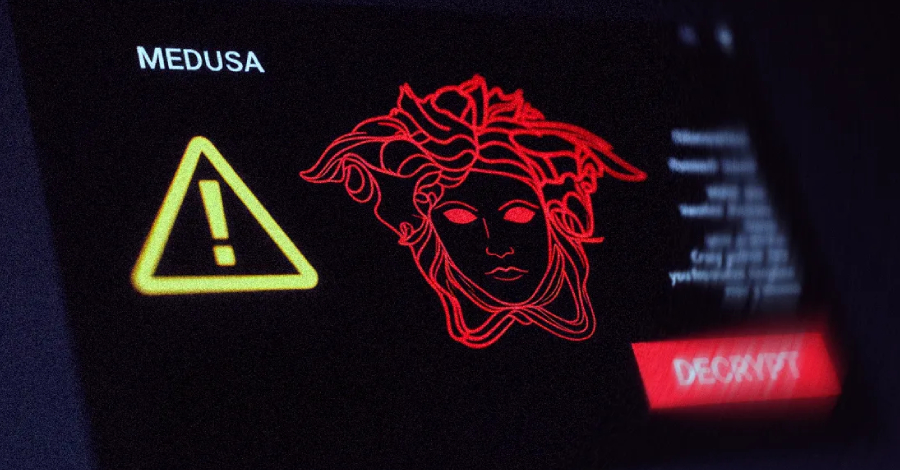
By February 2025, Medusa ransomware had already breached over 300 organizations in critical infrastructure.
That’s not a slow grind. It’s a sprint.
Picture this: a digital predator that spots a fresh vulnerability, crafts an exploit overnight, and turns your servers into a ransom vault before lunch. Medusa, tracked by Microsoft as Storm-1175, isn’t your grandpa’s ransomware. This RaaS crew—ransomware-as-a-service, like Uber for hackers—launched in June 2021 and hasn’t let up. They’re double-extorting: steal data, encrypt files, then threaten to spill secrets online. Phishing gets them in the door, but unpatched holes? Those are the express lane.
And speed? Blistering. Recent hits moved from breach to ransomware in days—sometimes hours. They chain vulns for remote code execution, hit Linux boxes like Oracle WebLogic, and even prey on zero-days seven days pre-disclosure.
“The threat actor’s high operational tempo and proficiency in identifying exposed perimeter assets have proven successful, with recent intrusions heavily impacting healthcare organizations, as well as those in the education, professional services, and finance sectors in Australia, the United Kingdom, and the United States,” Microsoft says.
Healthcare. Finance. Education. Australia to the US. No one’s safe when patches lag.
How Does Medusa Ransomware Weaponize Vulns So Damn Fast?
Storm-1175 doesn’t wait for CVE headlines to fade. They pounced on an SAP NetWeaver bug—one day after public disclosure on April 24, 2025. Over three years, they’ve munched 16 vulns: Microsoft Exchange, Papercut, Ivanti, ConnectWise, JetBrains TeamCity—you name it. Zero-days like CVE-2026-23760 in SmarterMail and CVE-2025-10035 in GoAnywhere MFT? Exploited early.
Post-breach? Web shell drops. Persistence locks in. Recon, lateral moves via PowerShell, PsExec, Impacket, Mimikatz. They tweak firewalls for RDP, tunnel through Cloudflare, exfil with Rclone and Bandizip. Even crack Veeam backups for admin creds, spreading the pain. One day from access to lockdown.
It’s like watching a virus evolve in real-time—faster than flu strains, deadlier than seasonal sniffles. Here’s my take, absent from Microsoft’s report: this mirrors the AI platform shift. Ransomware groups like Medusa are agile “startups,” iterating exploits via RaaS while enterprises patch like dinosaurs. Prediction? By 2027, expect AI-assisted vuln scanning to shrink their window to minutes, forcing defenders into proactive AI hunts.
But wait—healthcare’s the bullseye. High-stakes ops, patching backlogs, zero downtime tolerance. Storm-1175 thrives there.
Why Is Healthcare Medusa’s Favorite Hunting Ground?
Hospitals can’t afford outages. One encrypted MRI scheduler? Chaos. Insurers? Data leaks mean lawsuits. Banks? Same. Piyush Sharma of Tuskira nails it: these spots have “complex edge infrastructure, and a constant patching backlog.” Defenders blink; Medusa strikes.
“The heightened speed and efficiency of these campaigns is a game-changer for organizations with high-pressure environments like hospitals, insurers, and banks… a threat actor that can spot exposed assets and exploit them before defenders catch up has a much wider lane than it did even a year ago,” Sharma said.
Pete Luban from AttackIQ adds the sting: double extortion means “not just downtime, it’s the risk of public data exposure and downstream fallout like regulatory penalties, partner distrust, and long tail fraud.”
Storm-1175’s toolkit screams efficiency—living-off-the-land binaries, RMM tools, PDQ Deployer. No custom malware bloat. Just precision strikes.
And Linux? Don’t sleep on it. WebLogic servers, forgotten edges—they’re low-hanging fruit.
Can You Outrun Medusa’s Sprint?
Inventory everything. External assets first. Patch like your life’s on it—because patient lives might be. Monitor perimeters 24/7. Hunt for anomalies: odd RDP, Cloudflare tunnels, credential dumps.
Microsoft’s urging continuous scans. Experts echo: reduce attack surface now. But here’s the rub—most orgs react, don’t predict. Medusa predicts your slowness.
Think back to Morris Worm, 1988: one vuln, global chaos. Medusa’s chaining 16+. Scale that to today’s hyperconnected world. It’s not hype; it’s evolution. Corporate PR might spin “we’re patching faster,” but Storm-1175’s tempo exposes the gap.
Short para: Patch. Now.
Deeper dive: Tools like Veeam? Audit scripts. RMM? Lock ‘em down. Zero-trust? Implement yesterday. AI-driven threat hunting—yep, that platform shift—could flip the script, spotting perimeters before hackers do. Wonder what happens when defenders go futuristic too?
Medusa’s hit Australia, UK, US. Vertical agnostic now, but critical infra bleeds. 300+ by Feb ‘25. What’s the tally today?
🧬 Related Insights
- Read more: Pixel 9’s Dolby Decoder: The 0-Click Path Project Zero Just Paved Wide Open
- Read more: EvilTokens: Phishing’s Drag-and-Drop Nightmare for Microsoft Logins
Frequently Asked Questions
What is Medusa ransomware and who is behind it?
Medusa’s a RaaS group active since 2021, tracked as Storm-1175 by Microsoft. They double-extort via data theft and encryption, hitting 300+ critical orgs fast.
How does Medusa ransomware exploit vulnerabilities?
They weaponize new CVEs in days—zero-days in a week pre-disclosure. Chain flaws for RCE, drop webshells, exfil data, encrypt quick using LOLBins and tools like Mimikatz.
How to protect against Medusa ransomware attacks?
Inventory assets, patch urgently (Exchange, Ivanti, etc.), monitor perimeters, enforce zero-trust, hunt for persistence like RDP tweaks or Veeam cracks.