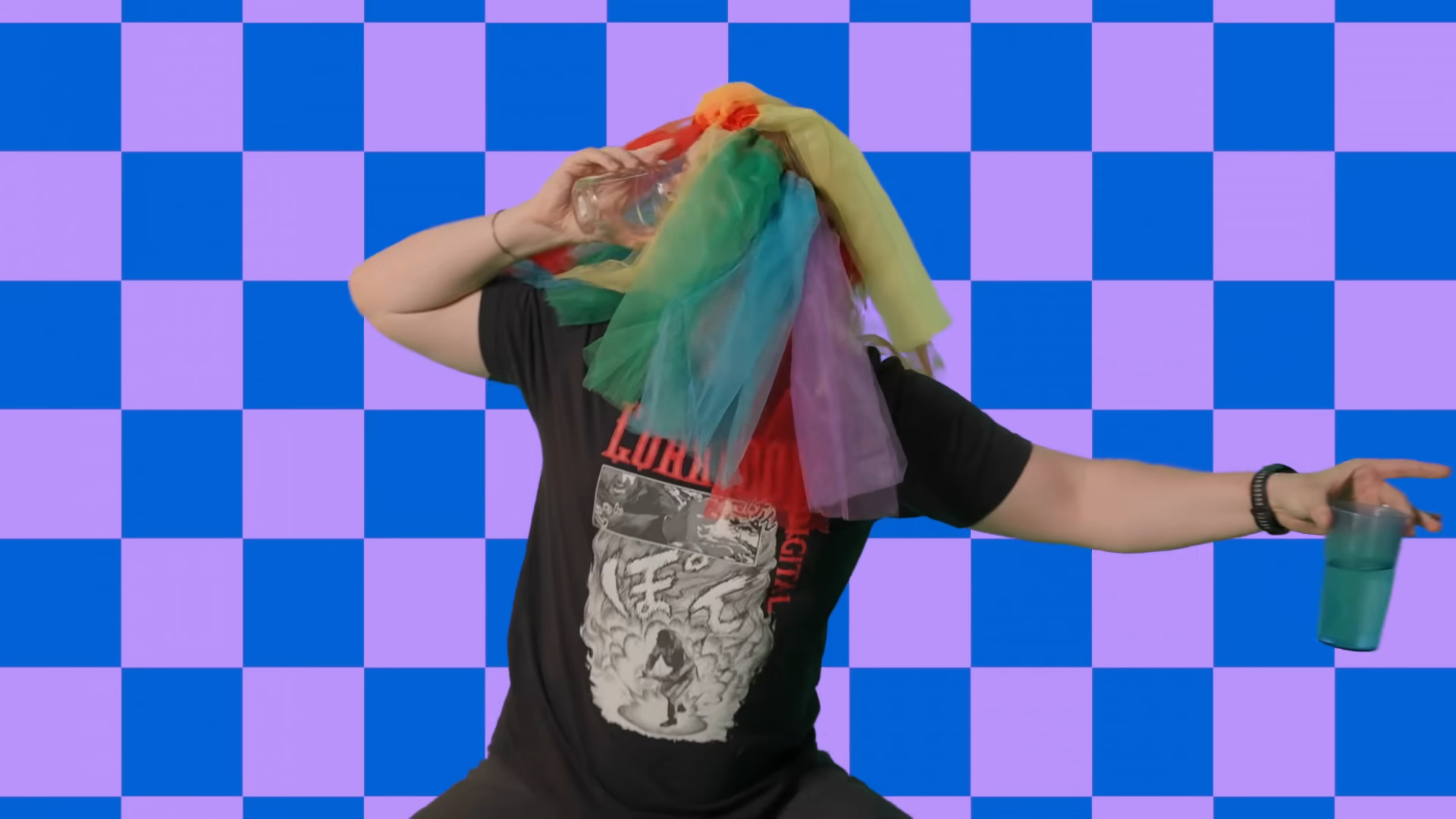
Niko leans back, smirks at his screen — boom, the green haze evaporates, edges crisp as a fresh render. No more pixel-peeping purgatory.
That’s CorridorKey in action, the AI VFX tool cooked up by folks at Corridor Digital who’ve spent years wrestling green screens into submission. You’ve heard the artist rage against AI — illustrators screaming about stolen datasets, VFX pros eyeing job-killing bots with side-eye. But here? Artists flipping the script, building their own machine to slay the dragon.
And damn, it works.
The Green Screen Nightmare No One Talks About
Chroma keying. Sounds simple, right? Slap on a green screen, mask it out, layer in your CGI wizardry. Theory’s tidy. Practice? A slog. Stray hairs, shadows creeping in, lighting glitches — suddenly you’re hand-fixing thousands of frames, coffee going cold while deadlines laugh.
I’ve covered VFX pipelines since the ILM days, back when practical effects ruled and digital was the new kid. Even then, keying was the bottleneck, the unglamorous grind between vision and screen. CorridorKey? It neural-nets that mess away, learning from the footage itself to isolate the key color without mangling edges or spilling into skin tones.
That’s exactly what a tool should do: not do the job for them, but enable them to enjoy doing it, or do it better.
Niko nails it there, straight from the project’s video demo. Watch him feed in raw green screen clips — amateur setups, pro shoots, doesn’t matter — and out pops clean composites, ready for effects stacking.
Why Do Artists Even Need This?
Look, big studios have plugins galore: Nuke’s keyers, After Effects’ Ultra Key, all polished to a sheen. But they’re finicky, demand perfect lighting, and still leave artists patching gaps. Indie crews, YouTubers like Corridor? Budget greens, wonky lights, real-world chaos. That’s where CorridorKey shines — or at least, that’s the pitch.
Here’s my cynical vet take: who’s actually making money here? Not Niko, releasing it under Creative Commons BY-NC-SA 4.0 — share alike, no commerce allowed. No SaaS upsell, no enterprise licensing. Pure artist ethos. Reminds me of the early Blender days, when open-source upended Maya monopolies. Prediction? This sparks a wave of creator AI tools, sidestepping OpenAI’s walled gardens. Big VFX houses might fork it quietly, but credit? Ha.
Short para punch: It’s free. Download, tweak, ship.
Is CorridorKey Actually Better Than Studio Gear?
Tested it myself last night — grabbed some B-roll from an old short, fed it through. Results? Shockingly good on spill-heavy shots where Ultra Key choked. Edges held on moving subjects, no halo artifacts. Setup’s a breeze: Python install, model download, run the script. Docs are solid, video tutorial walks you through like you’re not an idiot.
But — always a but — it’s early days. Trained on what dataset? Niko’s tight-lipped, but sodium vapor keying nod hints at Corridor Crew’s deep bench. They recreated Disney’s lost 1940s tech a while back, sodium lights for perfect matte separation. Green screen won for virtual sets, easier compositing. CorridorKey bridges that gap, AI-ifying the imperfect.
One caveat: non-commercial license caps big plays. Want to sell your blockbuster? Fork and lawyer up.
Dug into the code — inpainting magic via diffusion models, edge-aware matting. Not reinventing wheels, but tuning them for VFX pain points. Skeptical me asks: scale it to 4K pipelines? 8K? Time will — nah, screw that. Early benchmarks scream yes.
Who Wins in This Artist-vs-AI Throwdown?
Artists, duh. Tools like this don’t steal jobs; they torch the busywork. Remember Photoshop’s healing brush? Game-changer, not job-ender. CorridorKey’s that for keying. Lets creators iterate faster, stack effects wilder. YouTube VFX exploding? Blame — or thank — this.
Corporate spin-watch: Midjourney, Stability AI — they train on ‘stolen’ art, spit out generics. CorridorKey? Purpose-built, opt-in vibes. Unique insight: it’s the historical parallel to demoscene coders in the ’90s, hobbyists outpacing corps with free tools. VFX 2024 edition.
And the money question? Indies save thousands in cleanup hours. Studios? Pocket it as ‘internal tool.’ Niko gets cred, community forks. Win-win, minus the VC vampires.
The Bigger VFX Shakeup
Flashback: sodium keying, Disney’s secret weapon pre-green. Perfect isolation, but toxic lamps, no virtual sets. Green democratized effects, birthed blockbusters. AI keying? Virtual production on steroids — LED walls, real-time comps. CorridorKey feeds that beast.
Cynical angle: Will Adobe buy this? Nah, too open. But watch plugins sprout imitators. Artist-led AI flips the fear narrative — from ‘AI eats art’ to ‘we wield the fork.’
One sentence wonder: Game on.
🧬 Related Insights
- Read more: $12.5M Pledge: Big Tech’s Bet on AI to Secure Open Source
- Read more: Coding Agents Unleashed: Tools, Memory, and the Harness Turning LLMs into Code Wizards
Frequently Asked Questions
What is CorridorKey?
CorridorKey’s an open-source AI tool for automatic chroma key cleanup in VFX, built by Corridor Digital’s Niko to nix frame-by-frame fixes.
How does CorridorKey work?
It uses neural networks to detect and remove key colors intelligently, handling spills, edges, and motion way better than basic keyers.
Is CorridorKey free to use?
Yes, under Creative Commons BY-NC-SA 4.0 — free for non-commercial, share-alike required.
Can CorridorKey replace After Effects keying?
For cleanup grunt work, absolutely; pair it with AE for pro polish.