What if the sloppiest part of your phone habit – that lazy scroll through endless feeds – was actually the fortress hackers can’t breach?
I’ve chased Silicon Valley hype for two decades, and every time some exec promises ‘unhackable security,’ I reach for the popcorn. But behavioral biometrics? This one’s got teeth. Banks are ditching fingerprints and faces for the messy truth of how you move. It’s not flashy PR; it’s math chewing through your micro-twitches to spot fakes.
Generative AI’s let crooks scale like never before – RATs slipping past Face ID, MFA crumbling under bot armies. Banks foot the bill for fraud unless their defenses hold. Enter behavioral biometrics, the quiet revolution analyzing your every digital tic.
Remember When Signatures Were ‘Secure’?
Back in the ’90s, we thought a squiggly signature proved you were you. Forgers laughed. Fast forward – or don’t, since I hate that phrase – and we’re at computational motor control theory. Your brain’s running a nonstop feedback loop on every gesture: correcting tiny errors in velocity, curvature, the works. Bots? Straight lines. Humans? Wobbly masterpieces.
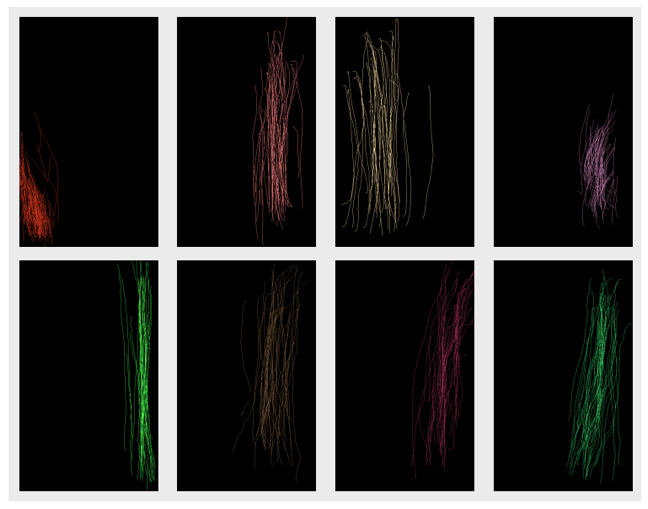
A 2012 Berkeley study, Touchalytics, nailed it with 41 users. After just 11 scrolls, they ID’d anyone perfectly.
“Research shows that what we think of as ‘robotic’ – these unconscious neural corrections – are actually what make a person’s behavioral profile so impossible to recreate.”
Thirty features: stroke length, finger lift style (ballistic or dead stop), even which pad of your thumb you use. Unique as DNA, but way harder to steal.
Here’s my hot take the original misses: this echoes phrenology’s flop – measuring skull bumps for personality – but digitized and accurate. Banks aren’t buying souls; they’re hoarding swipe signatures. Who’s profiting? Not you. Vendors like AppGate, training models on your sensor data.
And yeah, it goes beyond scrolls. Typing cadence. Phone tilt during swipes. Cursor wobbles. One upside-down device mid-transaction? Fraud siren.
Can Crooks Fake Your Fingerprints-in-the-Air?
Superhuman typing? Red flag. Lock screen logins? Nope. But smart systems aren’t rules – they’re AI blending signals via linear algebra. Continuous auth, post-login. At places like AppGate’s AI lab, they build per-user models from phone gyros, accelerometers. Spot account takeovers (ATO) or device hijacks (DTO) live.
Better than biometrics? Often. Prints smudge; faces age or get deepfaked. Behavior’s a ghost in the machine.
But — and it’s a big but — privacy hawks, wake up. Your bank’s now got a behavioral dossier. Sell that data? Nightmare fuel.
The supply chain’s a joke. Phishing grannies for creds, flog ‘em on Genesis Market (80 million stolen, 2 million victims). Credentials bounce like bad checks till some botnet dev pounces. Cops chase shadows.
New horrors: malware owning your device post-MFA. Behavioral biometrics slams the door.
Who’s Cashing In on Your Chaos?
Banks love it – liability dodge. But vendors? Gold rush. Train models on anonymized data (they claim), charge per query. Elderly hit hardest; scammers’ easy marks via phone cons.
My prediction: within five years, this arms race flips. Hackers AI-train mimicry on stolen behavioral scraps. Or regulators freak over data hoards. Either way, you’re the lab rat.
Take the elderly supply chain: social engineering to creds to dark web to ATO. Behavioral layers crush it – your swipe won’t match their script-kiddie bot.
Skeptical? Me too. Early biometrics promised utopia; now we’re selfie-scanning zombies. But data’s solid: Touchalytics holds up, newer studies echo it.
Upside-down phone? Obvious. But nuances – inter-stroke pauses, hold shifts – weave a net no gen-AI bot escapes yet.
The Privacy Price Tag
Live analysis sounds sci-fi. Your phone whispers to the cloud: ‘This scroll’s off by 2mm curvature.’ Banks sleep better.
Yet, who’s auditing these models? Bias in training data? A lefty scroller flagged as fraud?
And money: banks save billions in reimbursements. You? Trade freedom for safety. Cynical vet says: they’ll monetize your motor ticks eventually.
Emerging attacks cut short in the original – yeah, RATs owning screens. Behavioral biometrics fights back, but evolution’s endless.
Short version: it’s real. Effective. Banks win.
🧬 Related Insights
- Read more: 500 Power BI Job Ads Later: The 7 Skills That Don’t Lie in 2026
- Read more: Context Engineering: The Dirty Secret Keeping AI Agents from Crashing
Frequently Asked Questions
What is behavioral biometrics exactly?
It’s AI tracking your unconscious device gestures – scrolls, taps, tilts – to verify you’re human and the right human, beating traditional logins.
Can hackers beat behavioral biometrics?
Not easily yet. Mimicking micro-corrections needs your exact device and neural map – stolen creds don’t cut it.
Is behavioral biometrics safe for my privacy?
Banks claim anonymized data, but they’re building profiles. Read the fine print before your swipes become their asset.