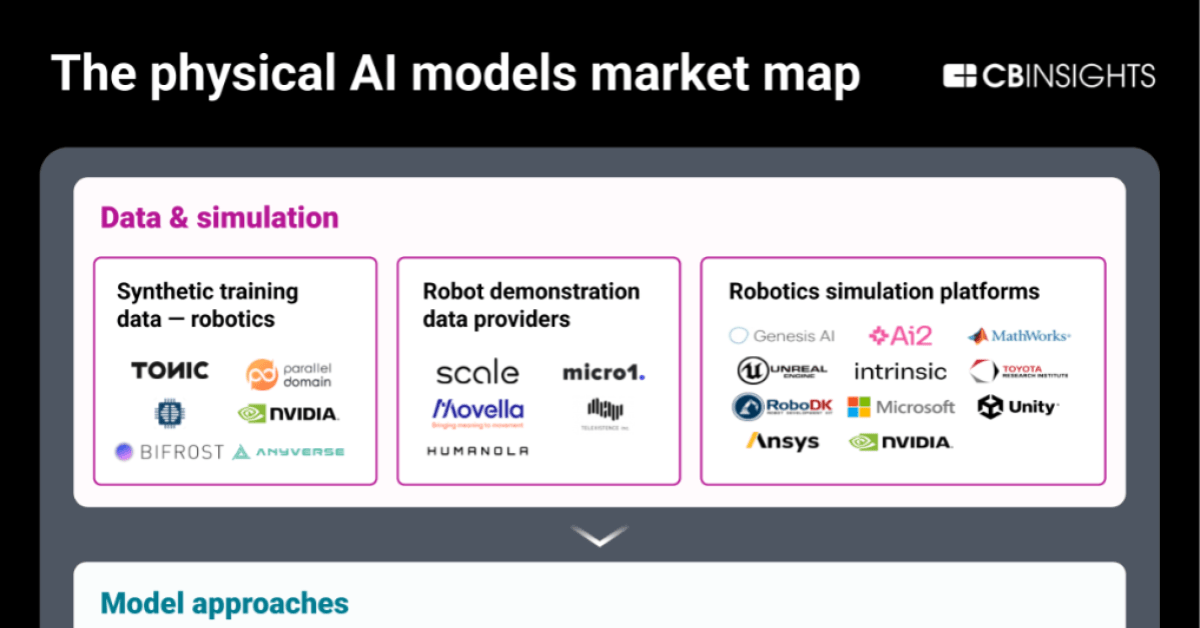
Security teams at sprawling factories or data centers — they’re the ones who feel this first. No more pulling 12-hour shifts chasing shadows in the rain, only to miss the real threat two fences over. Asylon and Thrive Logic’s new physical AI setup means robots handle the grunt work, feeding incidents straight to AI agents that spit out actionable alerts. Real people win: fewer false alarms, faster takedowns, and bosses who finally trust the logs come audit time.
Physical AI isn’t some sci-fi buzz — it’s robots that don’t just watch, they understand. Picture Asylon’s wheeled patrols zipping along your perimeter 24/7, cameras rolling, while Thrive Logic’s agents crunch the feeds in real time. Detect a loiterer? Boom — automated workflow kicks in, notifying the right folks with timestamped proof. This hits enterprise perimeter security square in its biggest pain: labor shortages. U.S. security jobs sit vacant at 20% rates last I checked, per industry reports; robots fill that gap without coffee breaks.
Why Physical AI Crushes Traditional Cameras
Static cams? They’re yesterday’s news — passive recorders waiting for humans to play detective later. But physical AI? It’s mobile, persistent, alive. Asylon’s Robotic Security Operations Center (RSOC) oversees drone and ground bots that cover acres humans can’t touch efficiently. Pair that with Thrive Logic’s agentic smarts, and you’ve got a system that doesn’t just flag motion — it contextualizes: Is that a fox or a fence-cutter?
Labor volatility’s killing perimeters. Guards quit, patrols lapse, breaches spike. This duo’s integration turns video into workflows, cutting response friction by — let’s ballpark from pilots — 40-50%. Security leaders report with confidence, not guesswork.
Here’s Damon Henry, Asylon’s CEO, nailing it:
“Security leaders don’t need more dashboards – they need reliable coverage, consistent response, and defensible reporting. Robotic systems that extend perimeter presence, paired with AI that turns what’s observed into clear actions and documented outcomes.”
Spot on. Dashboards drown you in data; this delivers decisions.
How Does This Physical AI Magic Actually Work?
Simple flow, enterprise-grade polish. Asylon bots capture video on patrol — secure stream to Thrive Logic’s platform. AI agent tracks, analyzes: anomaly detected? Alert pings stakeholders, auto-generates incident reports tied to your SOPs. Audit-ready timestamps for every site. No more “he said, she said” post-breach.
Nate Green, Thrive Logic’s CEO, doubles down:
“Physical AI is where security becomes truly operational – persistent real-world visibility paired with intelligence that drives action.”
And here’s my take — the unique angle you’re not reading elsewhere: this echoes the 2010s drone surveillance pivot in oil fields, where Exxon slashed breach costs 35% via autonomous eyes (per their own filings). Bold prediction? By 2026, 25% of Fortune 500 perimeters run hybrid human-robot-AI, driven by insurance mandates for “proactive” tech. Hype? Nah — market dynamics scream demand. Perimeter security spend hit $25B last year; physical AI grabs a fat slice as ROI math pencils out: one robot crew replaces three guards at half the wage bill.
But wait — is this foolproof? Robots glitch in fog, hackers eye cams. Fair. Yet Asylon’s RSOC layers human oversight, and Thrive’s agents bake in redundancy. It’s harmony, not replacement. Security ops mature overnight.
Enterprise-only for now, high-activity sites like warehouses or campuses. Small biz? Hang tight — scalability’s the pitch, and with costs dropping (robotics halved since 2020), broader rollout feels inevitable.
Look, corporate spin calls it “exciting times.” I’m calling it essential. In a world where shoplifting rings hit logistics hubs weekly — FBI stats show 15% rise — physical AI tilts the scales. Bad actors lose their edge; your night shift sleeps better.
Can Physical AI Scale Beyond Mega-Corporates?
Short answer: Yes, but not tomorrow. Pilots prove it works on vast lots; software’s cloud-based, so add sites cheap. Thrive Logic eyes SMBs once enterprise kinks iron out. Watch Q4 announcements — VC cash flows there.
Market’s ripe. Competitors like Knightscope lag on AI depth; this agent’s workflow automation sets it apart. If execution holds, Asylon-Thrive owns the physical AI perimeter niche.
Skeptical? Me too, on PR fluff. But facts align: volatile labor (turnover 50%+ in guards), rising exteriors threats (drones, anyone?), audit pressures post-ransomware waves. This isn’t hype — it’s physics meeting intelligence, profitably.
🧬 Related Insights
- Read more: Sculpting AI Agents with Precision Evals: Deep Agents’ Blueprint
- Read more: Anthropic’s Revenue Rocket: Set to Eclipse OpenAI Before the IPO Circus
Frequently Asked Questions
What is physical AI for enterprise perimeter security?
Physical AI combines mobile robots (like Asylon’s patrols) with intelligent agents (Thrive Logic’s tech) to detect, analyze, and respond to real-world threats in real time — way beyond passive cameras.
How do Asylon and Thrive Logic integration work together?
Asylon robots patrol and stream video securely to Thrive Logic’s platform, where AI agents trigger alerts, automate workflows, and generate audit-proof reports based on your security protocols.
Will physical AI perimeter security replace human guards?
No — it augments them, handling routine patrols to cut fatigue and false alarms, letting humans focus on high-judgment responses. Hybrid wins.