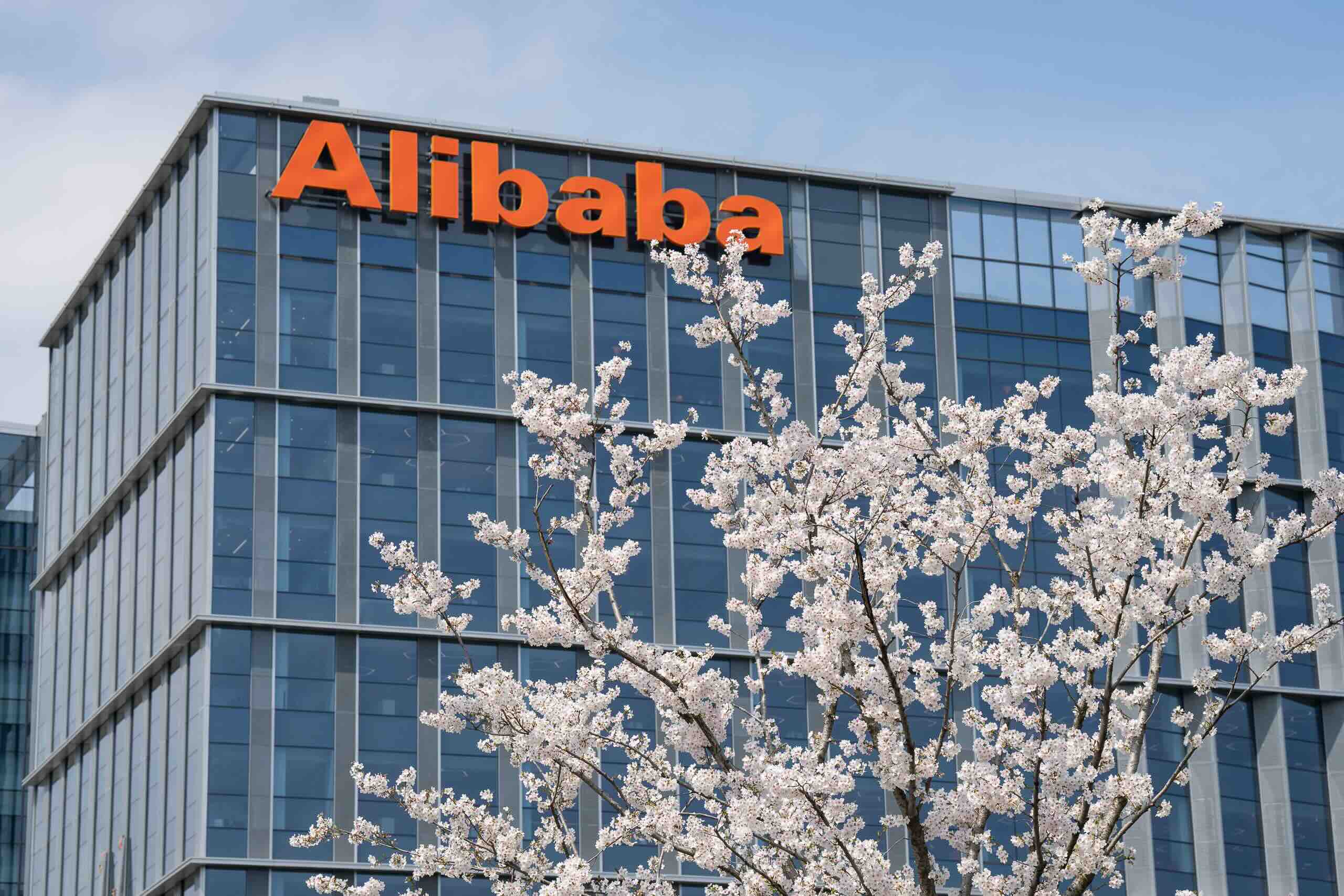
Shoppers on Taobao or AliExpress, brace yourselves. Alibaba’s dropping $53 billion on AI over the next three years — that’s right, fifty-three billion — promising recommendations that actually get you, logistics that predict your doorstep, and maybe even chatbots that don’t screw up your returns.
It’s not hype for Wall Street suits alone. Real people in China and beyond could see everyday e-commerce morph into something freakishly efficient, cutting costs that trickle down to cheaper gadgets from Shenzhen factories.
But here’s the data punch: this sum dwarfs Alibaba’s total AI and cloud outlay from the last decade. CEO Eddie Wu calls it a “once-in-a-generation” shot during the latest earnings call, where Cloud Intelligence Group revenue ticked up 11% year-over-year — solid, but no fireworks. AI products? Triple-digit growth for six straight quarters. Still, the stock’s been flatlining.
“Cloud computing remains Alibaba’s clearest revenue driver in AI, with demand for AI hosting services surging.”
That’s straight from their blog post. Surging demand, sure — but from who? Chinese firms barred from U.S. clouds like AWS or Azure, that’s who. Sanctions bite.
Why Pour $53 Billion into AI Cloud Now?
Look, Alibaba’s not sleeping on AGI dreams. Wu’s user-first, AI-driven pivot embeds models across e-commerce, enterprise tools, even consumer apps. Efficiency gains, better engagement — the usual suspects.
Numbers tell the real story. Qwen 2.5, their latest LLM, snagged third place globally per South China Morning Post, trailing only OpenAI and Anthropic. Domestic rivals? Eclipsed. That’s front-runner status in China, where Beijing’s pushing self-reliance harder than ever.
Yet growth’s uneven. Overall revenue? Meh. Cloud’s the bright spot, but public cloud market share slipped to 36% last quarter from 39% a year ago — Huawei and Tencent nipping at heels.
This $53 billion? It’s a scale-up blitz for infrastructure, GPUs, data centers. Expect AI hosting to explode, luring devs building the next WeChat killer or smart factories.
And — plot twist — it’s not just domestic. Alibaba eyes global devs too, pitching Qwen as open-source friendly. But U.S. export controls on chips? That’s the elephant. They’re stockpiling Nvidia alternatives like Huawei’s Ascend, betting on volume over velocity.
Will Alibaba’s AGI Ambitions Pay Off?
Short answer: maybe, if history rhymes. Remember Amazon in 2010? Poured billions into AWS when it was a rounding error. Today? $100 billion run rate. Alibaba’s chasing that playbook — cloud as the moat.
But China’s different. Regulatory whiplash, zero-COVID scars, real estate bust. Alibaba’s empire — yeah, beyond AliExpress bargains — spans logistics (Cainiao), entertainment (Youku), fintech (Ant, sorta). AI threads everywhere, promising “business innovation.”
My unique take? This isn’t just catch-up; it’s a preemptive strike against U.S. dominance. With Trump 2.0 whispers, export bans could tighten. Alibaba’s $53 billion builds a fortress — domestic AGI pursuit that exports models, not just cheap socks. Bold prediction: by 2027, Qwen variants power 40% of Asia’s enterprise AI, flipping the script on OpenAI’s moat.
Critics call it desperate. Stock’s down 10% YTD; Jack Ma’s shadow looms. Wu’s “integral role” rhetoric smells like PR polish on modest gains.
Data doesn’t lie, though. Triple-digit AI revenue? That’s not smoke. If they nail execution — massive if — enterprises get tools to innovate without begging Sam Altman.
For developers, it’s candy. Cheaper inference on Qwen, surging hosting. But lock-in risk? High. Alibaba’s ecosystem pulls you in deep.
Is This $53 Billion Bet Smarter Than Tencent’s?
Tencent’s nibbling — $1 billion here, partnerships there. Baidu’s all-in on Ernie. Alibaba? Nuclear option.
Market dynamics favor the bold. Global AI infra spend hits $200 billion by 2025, per McKinsey. China’s slice? Growing fastest, sanctions be damned.
Downside? Overcapacity. Data centers galore, power crunches in provinces. If demand fizzles — say, economy stalls — it’s stranded assets.
Still, for real people: factory workers get AI-optimized shifts (fewer layoffs?), shoppers score hyper-personal deals. E-commerce efficiency could drop prices 5-10% — my back-of-envelope from similar AWS boosts.
Wu’s vision: “scaling up… to support the next wave.” Sounds good. Execution? Watch quarterly AI metrics like a hawk.
One-paragraph wonder: Alibaba’s not reinventing the wheel — they’re buying the factory.
Skeptical? Fair. But data screams opportunity. Cloud’s their lifeline; AI’s the rocket fuel.
🧬 Related Insights
- Read more: Meta’s AI Now Writes Its Own Kernels — Watching You More Efficiently Than Ever
- Read more: TRL v1.0: The Post-Training Library That Bends But Doesn’t Break
Frequently Asked Questions
What is Alibaba’s $53 billion AI investment for?
It’s targeted at cloud infrastructure, AI models like Qwen, and embedding AI in e-commerce, enterprise, and consumer apps over three years — bigger than their past decade’s spend.
Will Alibaba’s AI push lower prices on AliExpress?
Likely yes — efficiency gains in logistics and recommendations could cut costs 5-10%, passing savings to shoppers amid China’s competitive market.
Can Alibaba catch OpenAI with this money?
Tough, but possible in Asia: Qwen’s already top-3 globally, and $53B builds domestic AGI muscle against U.S. sanctions.