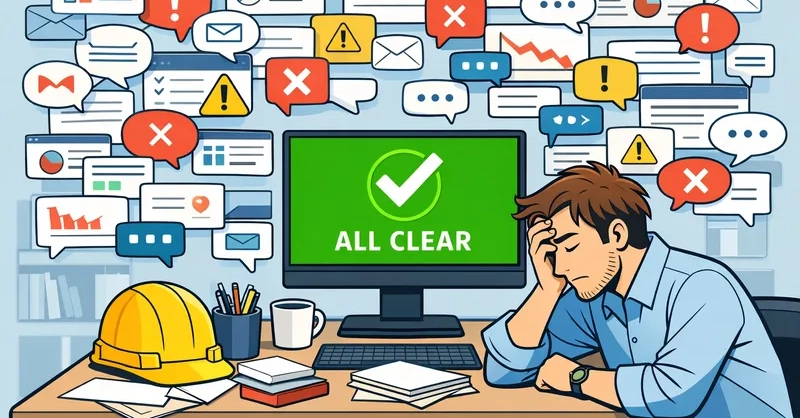
Why does your star junior engineer ghost after one on-call shift?
It’s not the pager beeps at 3 a.m. Nah. On-call burnout creeps in because you’re fixing fires without learning why they keep starting. Two weeks back, some boneheaded database query locked a table for 15 minutes. Fifty grand in lost revenue. Fix took 30 minutes—restart it. But three hours to diagnose? That’s the killer.
We slapped on monitoring. Heroic, right? Wrong. Nobody asked: Who wrote that query? Which feature slipped it in? What deploy sequence opened the door? Six months from now—bam—same crap, new victim.
Here’s something nobody talks about: your on-call burnout isn’t about being on-call. It’s about what happens after you fix something.
That’s the original zinger from olivix.app. Spot on. But let’s cut the fluff. This isn’t some feel-good DevOps sermon. It’s a indictment of lazy post-mortems that leave your team whack-a-mole-ing forever.
Why Is On-Call Burnout an Onboarding Problem?
Newbies arrive pumped. Code reviews? Nailed ‘em. Then on-call hits. Random explosions—no patterns, no context. They debug for hours, fix the symptom, move on. Repeat. Exhaustion sets in fast. Seniors? They’re jaded, repeating the same fixes from five years ago. Everyone quits.
Here’s the acerbic truth: You’re onboarding them into chaos. Not teaching resilience—drowning them in it. Juniors learn firefighting as the norm. Seniors bail because explaining it feels futile. (Ever tried herding cats with a PowerPoint?)
And the company? Bleeding talent and revenue. Shocking.
Short fix? None. Real change demands deep incident analysis. Not “alert on X.” Understand the class of failure. Trace to code, deploys, humans. Prevent repeats.
Is Your Incident Process Just Symptom-Patching?
Look. Most teams pat themselves on the back for a post-mortem. “Added monitoring!” Yay. But did you rewind the tape? Query author? Feature flag gone wrong? DB schema drift?
No? Then you’re screwed. Incidents recur because root causes fester. It’s like treating a leaky roof by mopping the floor—sure, dry for now, but winter’s coming.
My unique hot take: This mirrors the airline industry’s dark ages pre-1970s. Crashes? Blame pilot error, tweak checklists. Until black boxes forced systemic digs. Result? Safer skies. Your outages? Same. Without RCA rigor—think flight recorders for deploys—you’re flying blind. Predict this: Ignore it, and your next big outage costs seven figures, plus a talent exodus to Netflix-level ops teams.
Skeptical of olivix’s pitch? Fair. Tools like theirs promise analysis magic, but if your culture skips depth, it’s lipstick on a pager. Call out the PR spin: Sustainable on-call isn’t software. It’s surgery on your processes.
But—here’s the hope. Start small. After every incident, mandate: Who? What code? Deploy path? Human error? Log it. Pattern-match. Automate prevention.
Juniors thrive. They onboard into mastery, not misery. Seniors stick around—finally, progress.
Picture this sprawl: Team A’s shallow fixes lead to quarterly fire drills. Team B? Deep dives, incidents drop 80%. Revenue stabilizes. Engineers high-five instead of rage-quit. That’s the gap.
What’s your biggest hole? Symptom slappers or root hunters?
How Do You Actually Prevent On-Call Burnout?
Ditch rotation tweaks. They’re band-aids.
Build an incident knowledge base. Every fix links to root. Use tools—olivix, whatever—but drill down.
Train juniors on patterns, not heroics. Shadow seniors on RCA.
Measure: Recidivism rate. Same-class incidents? Red flag.
Bold call: Companies nailing this hire faster, retain longer. Laggards? They’ll be begging for your resume soon.
Dry humor aside—it’s exhausting watching smart teams repeat dumb mistakes. Fix it. Or watch the revolving door spin.
🧬 Related Insights
- Read more: NgRx Signal Stores: 7 Features That Kill Copy-Paste Hell Forever
- Read more: I Just Fired Up a Pirate Radio Station from My Dynamic IP – Here’s the No-BS Linux Hack
Frequently Asked Questions
What causes on-call burnout in engineering teams?
Shallow incident fixes that repeat failures, turning shifts into endless debugging marathons—especially brutal for new hires.
How to fix gaps in incident analysis?
Trace every incident to root cause: code, deploys, humans. Build a knowledge base. Measure repeat rates. Prevent classes, not symptoms.
Is on-call burnout really an onboarding issue?
Yes—juniors learn chaos as normal, burn out fast. Deep RCA turns onboarding into empowerment.