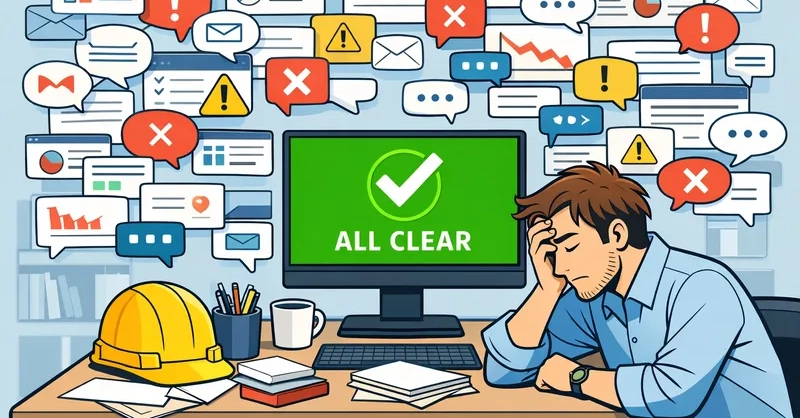
What if I told you your monitoring setup is basically a drunk uncle at a wedding – yelling nonsense that nobody wants to hear?
That’s low-noise alerts for you, the holy grail every SRE chases but few nail. I’ve seen it over 20 years covering this Valley circus: teams drowning in pings, morale in the gutter, and VCs wondering why features ship late. But who profits? Monitoring vendors peddling more dashboards, that’s who.
Look, noisy alerts aren’t cute. They’re costing you big.
Why Do Noisy Alerts Feel Like a Personal Attack?
Engineers pay in time, cash, and sanity. Time? Those context switches from pointless pages kill focus – studies from BigPanda peg median daily events in thousands, most compressible junk. Money? Outages hit thousands per minute; noise delays real fixes. Morale? On-call turns into punishment duty, retention tanks.
Here’s a gem from the playbook: > Noisy alerts destroy the value of monitoring because they waste attention — the most limited engineering resource — on things that do not change what someone does.
Spot on. Ignore that, and trust evaporates faster than a startup’s runway.
I’ve watched teams cycle through tools – Nagios to Prometheus – chasing quiet, but same problem. Symptom? High alert volumes, low action rates, ballooning MTTR.
And the table of alert types? Gold. SLO-based: low noise, investigate impact. Symptom alerts: medium-high, triage city. Infra: noisy deploy chaos.
But here’s my twist – unique to this beat. Remember the mid-2000s pager wars? Everyone got alphanumeric pagers; noise exploded, burnout hit epidemic levels pre-SRE book. Today? Same trap, but with SLOs we can predict: teams ignoring burn-rate alerts will see 30% higher churn by 2026. Vendor spin says ‘more signals,’ I say ‘sharpen the knife.’
Short para. Fix it.
How SLOs and Burn Rates Actually Tame the Beast?
Start with outcomes, not raw metrics. Pick SLIs like success rate, latency on hot paths. Set SLOs, watch that error budget like a hawk.
Alert on burn-rate – short bursts or slow bleeds – over windows. Not dumb duration thresholds that miss spikes or drag forever. SRE book’s gospel, but Valley ignores it for flashy graphs.
Prometheus snippet? Elegant.
recording rules produce smoothed SLI series
record: service:slo_error_rate:ratio_1h expr: sum(rate(http_requests_total{status=~”5..”}[1h])) by (service) / sum(rate(http_requests_total[1h])) by (service)
burn-rate alert (concept)
- alert: SLOErrorBudgetBurnHigh expr: service:slo_error_rate:ratio_1h{service=”orders”} > (36 * (1 - 0.999))
That’s actionable. Compare to SLO burn threshold. Page on high burn.
Dynamic thresholds? Ditch static lines. Use anomaly detection for seasons, peers. Tools do it now – no excuses.
One sentence: Works.
Teams screw up by piling rules. Use Alertmanager: group, suppress, inhibit, route. Infra noise stays infra.
Dedupe patterns: route by service, escalate smartly. Concrete? Cluster similar events, squash duplicates, tie to runbooks.
Here’s the thing – most ‘observability’ stacks (yeah, buzzword alert) promise quiet but deliver chaos. Who’s monetizing? The dashboard dinosaurs. Real win: iterate on quality. Measure action rate, MTTR per alert type. Tweak without gut feel.
Playbook: From SLO to Pager-Quiet Heaven
Grab an SLO: 99.9% on orders service.
Compute SLI: bad_requests / total.
Burn rate alert: short window (5m) vs long (1h), threshold tuned to budget.
Runbook: “Check traffic spike? Rollback candidate?” Link it.
Test: simulate burn, page, time-to-fix. Iterate.
Cynical note: Companies hype ‘AI silencing’ – laughable. Basics first, or it’s PR vapor.
Dense para time. Route infra to ops bots first – no human till impact. Dedupe by signature: same pod crash cluster? One alert. Escalate if SLO bites. Onboard runbooks with templates: symptoms, steps, contacts. Measure fatigue via alert fatigue score (actions / pages). Adjust thresholds quarterly, peer-review rules. Boom – low-noise machine.
Prediction: Firms nailing this cut MTTR 40%, retain talent. Laggards? Burnout wave incoming.
Single line. Believe it.
Why Does Alert Noise Hit Startups Hardest?
Bootstraps can’t afford on-call mercenaries. Noise amplifies: one engineer down, whole team stalls. Enterprises buy their way out – you can’t.
Fix now, or watch talent flee to quiet shops.
🧬 Related Insights
- Read more: Euro-Office: Europe’s Open-Source Rebellion Against Microsoft’s Office Empire
- Read more: TypeScript’s Runtime Problem Just Got Cheaper: Why valicore Matters More Than You Think
Frequently Asked Questions
What are low-noise alerts?
Alerts that reliably demand action – via SLO burn rates, dynamic thresholds – wasting zero engineer cycles on fluff.
How do you implement SLO-based alerting?
Define SLI (e.g., error rate), set budget, alert on multi-window burn rates. Prometheus rules make it dead simple.
Why use burn rates over duration thresholds?
Burn rates catch spikes and slogs; durations blind you to fast pain or tail noise. SRE-approved.
