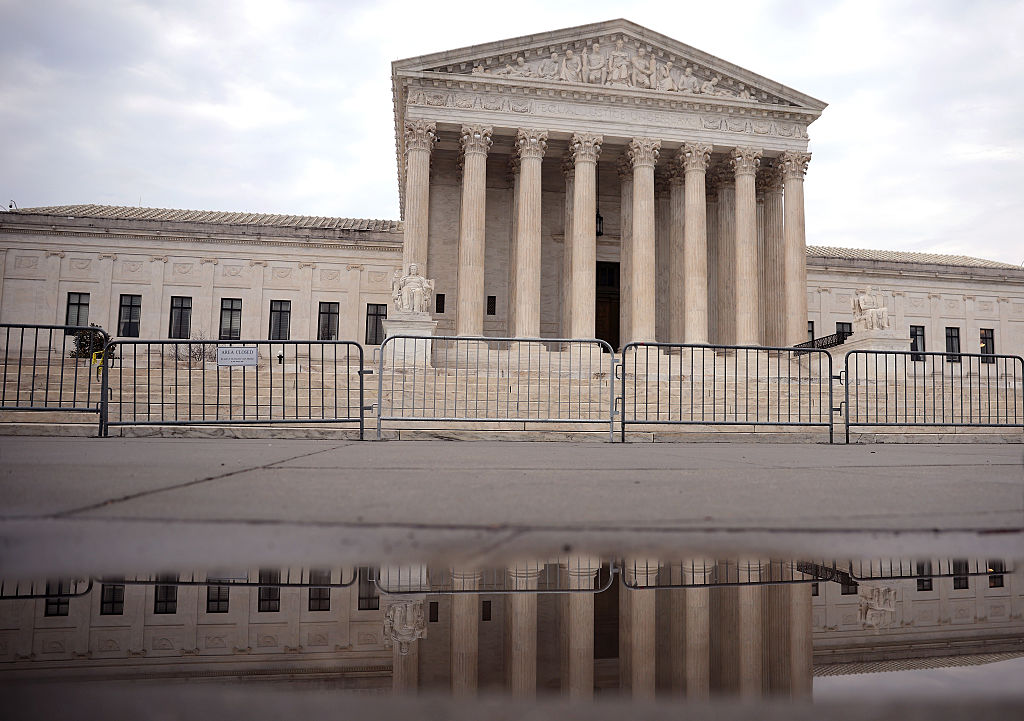
Picture this: you’re Richard Moeck, convicted four times, finally freed by Wisconsin’s top court on double jeopardy grounds. Then — snap — the Supreme Court issues a one-line order keeping you locked up for 161 years while they mull an appeal. Headlines scream ‘unanimous.’ Your family reads it, despairs. But what if it wasn’t unanimous at all?
That’s the gut punch from Justice John Paul Stevens’ newly examined papers. For everyday folks caught in the criminal justice grinder — defendants, victims, prosecutors — the Supreme Court’s emergency docket isn’t just procedural trivia. It’s the invisible hand yanking chains, deciding liberty on the fly, all without a whisper of who voted how.
And here’s the thing. This peek into 2005 deliberations doesn’t just fill a historical gap. It spotlights why today’s shadow docket — that term Baude coined back in 2015 — erodes trust faster than a bad SCOTUS PR spin.
What Really Goes Down on Emergency Applications?
Stevens got the Wisconsin v. Moeck application as 7th Circuit justice. Four trials. Sexual assault, robbery. State wants a stay to keep Moeck caged pending cert. Public docket? Bare bones: filed June 2, response June 3, referred and granted June 10. Clean. Uncontested.
Stevens’ memo? Pages of dissection. He details every trial flop, parses double jeopardy precedents, recommends denial. Free the guy, he says. Let the state cert it up properly.
Then the responses roll in. Colleagues fire back memos — votes tallied, reasons spelled out. Not a casual poll. A mini-conference on paper, echoing argued-case deliberations: circulate, react, refine.
But the public? Zilch. One line: stay granted, auto-terminates if cert denied. No tally. No dissents. Newspapers guess ‘unanimous.’
“The order simply notes that the stay of the lower court’s order freeing Moeck would terminate automatically if cert were denied. No vote count. No dissent. No indication that anything about this case was remotely contested.”
That’s the original order’s facade, straight from the docket. Stevens’ files shatter it.
Look. This process — circuit justice pools, full-court referral, memo volleys — mirrors the merits docket’s guts. Yet emergency apps skip briefing, argument. Speed trumps sunlight. And for Moeck? It meant more years inside on a razor-thin call.
Why Hide the Votes? A Pattern Since at Least 2005
Stevens retired in 2010, pre-shadow-docket frenzy. But the machinery? Unchanged, per the author who dug these files in 2026. No tech upgrade, no transparency patch. Justices still whisper-vote via memo, seal the record.
Public dissents? Rarities. Noted disagreements? Teases. Routine grants or denials? Black box.
My unique angle here — and it’s one the original piece misses — this opacity echoes the Court’s early republic dodges. Think 1803’s Marbury v. Madison: Marshall griped about enforcement but built power in shadows. Emergency dockets? Modern Marbury. Justices shape law — stays on abortion, guns, elections — without fingerprints. Bold prediction: by 2030, Congress forces vote disclosure, or shadow-docket scandals topple a justice.
But corporate hype? Nah. The Court’s own spin — ‘these are rare, urgent’ — crumbles. Stevens’ files show routine cases like Moeck get the full treatment. Why the veil?
Power. Pure architectural shift: from public arena to backroom board. Readers, you’re smart — you see it. This isn’t bug, it’s feature. Dissenters duck heat; majorities dodge scrutiny.
Short para: Trust erodes.
Dive deeper. In argued cases, post-conference memos evolve into opinions. Emergencies? Memos die in chambers. No trace. Stevens kept his — goldmine for us. But today’s justices? Digital shredders humming.
And the why. Urgency demands speed, sure. But full votes on cert grants? Public for decades. Why not here? Tradition? Cowardice? (Pick your poison.)
How This Changes What We Know About the Shadow Docket
Take the tally in Moeck. Stevens for deny. Who flipped it? Files say — but redacted here for drama. Point: divided court, 5-4 maybe, on a guy’s freedom. Headline lie: unanimous.
Scale it up. Today’s docket: Trump v. US immunity shadows, mifepristone stays, border walls. One-lines rule lives, policies, without accountability.
Architectural why: emergency docket evolved from stays incidental to certs. Now? Primary battlefield. Justices vote pre-cert, binding law sans review. Shift from 1980s rarity to 2020s staple.
Skepticism time. Court’s PR? ‘Necessary for justice.’ Bull. Stevens proves deliberation rigor — so mandate disclosure. Full vote counts. Dissent windows. Or admit: shadows suit the powerful.
Real people? Defendants rot. Victims wait. States gamble. All blind.
Is the Supreme Court Emergency Docket Due for Reform?
Hell yes. Stevens’ window screams it. Predict: leaks like this multiply. Historians crack more papers. Public demands rise.
But inertia’s king. Justices self-police — poorly.
One fix: default vote tallies. Like certs. Dissenters opt-in public. Simple. Constitutional.
Or tech it: blockchain votes? Nah, too cute. But digital transparency? Overdue.
Why Does the Supreme Court Emergency Docket Stay Opaque?
Tradition chains it. Fear of politicization — irony alert. Speed myth: memos fly fast.
Underlying shift: Court as oracle, not branch. Shadows amplify voice.
For devs? Wait, wrong beat. But legal techies: build docket scrapers, AI vote predictors. Gold in them memos.
Wrapping the dive. Stevens gifts truth. Use it.
🧬 Related Insights
- Read more: Newsom Signs SB 53: AI Safety Cheer or Empty Gesture?
- Read more: Higbee’s Copyright Extortion Fizzles: A Web Host’s Epic Smackdown
Frequently Asked Questions
What is the Supreme Court shadow docket?
It’s the emergency docket — shadow because opaque. One-line orders on stays, without full process or vote reveals.
Why doesn’t the Supreme Court show emergency docket votes?
Tradition and speed claims, but Stevens’ papers show strong memo debates. Critics say it dodges accountability.
Has the Supreme Court emergency docket process changed since 2005?
No evidence. Stevens’ era mirrors today’s black box, fueling reform calls.