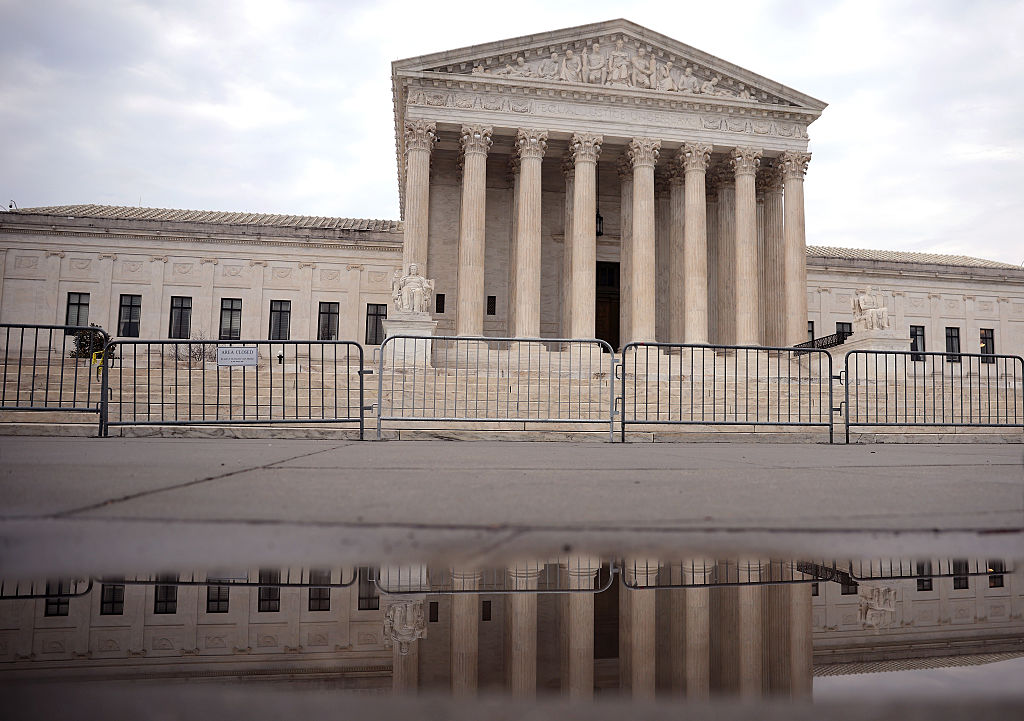
Denied.
That’s it. The Supreme Court summarily closes the courthouse doors again, vanishing a civil rights claim into the ether without so much as a footnote. No hearing. No briefing. Just poof—gone. And we’re left picking up the pieces, wondering if Lady Justice is now a bouncer at an exclusive club.
Picture this: some desperate soul, shackled by the system, claws their way up through the courts, only to get the Supreme smackdown on the shadow docket. Daniel Harawa nails it in his SCOTUSblog piece— this isn’t a one-off. It’s a pattern. A troubling one, he says, that’s become the Court’s go-to move in criminal justice and civil rights fights.
Civil Rights and Wrongs is a recurring series by Daniel Harawa covering criminal justice and civil rights cases before the court. I have written before about the Supreme Court’s troubling […]
Harawa’s been tracking this for ages. Remember those earlier posts? The ones where the Court pulls the same stunt—summary reversals, cert denials without opinion, all while the docket groans under emergency pleas. It’s efficient, sure. But fair? Laughable.
What the Hell Just Happened Here?
Zoom out. This latest episode? Likely another habeas petition or Section 1983 claim biting the dust. Details are thin—SCOTUSblog teases the full story—but the vibe’s familiar. Lower courts wrestle with messy facts: excessive force, botched trials, prosecutorial tricks. Then boom. Supremes intervene (or don’t) with a one-liner order. No reasoning. No cracks in the armor for dissenters to exploit.
Why? Speed, they claim. The shadow docket’s their fast lane for “emergency” relief. But civil rights? Criminal appeals? Those aren’t fires to put out—they’re systemic rot. And by summary disposition, the Court dodges the hard questions. It’s like fixing a leaky roof by locking the door.
But here’s my unique twist, one Harawa doesn’t hit: this reeks of the pre-Brown v. Board era, when a conservative Court hid behind “hands-off” federalism to ignore Southern atrocities. Back then, it was states’ rights shielding Jim Crow. Today? It’s procedural purity shielding… what? Inaction on injustice? Bold prediction: if AI starts flooding courts with predictive policing challenges or biased algorithm suits, expect more of these door-slams. The Roberts Court won’t touch hot potatoes without a bazooka pointed at precedent.
Short version: they’re scared.
Why Does SCOTUS Keep Slamming Doors on the Desperate?
Look, the Court’s workload is insane—thousands of petitions yearly, nine justices playing goalie. Fine. But civil rights cases? These are the canaries in the coal mine for democracy. Ignore them, and the whole system’s fumes build up.
Harawa’s series spotlights the trend: post-Dobbs, post-Trump v. US immunity madness, the emergency docket’s exploded. Conservative wins pile up—qualified immunity upheld, habeas hurdles hiked. Liberals fume in shadows, but who reads concurrences anymore? Not the public.
Dry humor alert: it’s almost poetic. The Court preaches access to justice in opinions, then bolts the gates when you show up with a real grievance. (Parenthetical: because nothing screams ‘equal protection’ like treating the powerless as speed bumps.)
And legal tech? Don’t get cute. AI case predictors like Harvey or Lexis+ dream of spotting cert-worthy gems. But if the Court’s in summary-denial mode, your fancy algorithm’s just yelling into a void. Tools can’t hack a black box.
Is This the Death of Civil Rights Litigation?
Not yet. But it’s close. Litigants adapt—forum-shop lower courts, chase circuit splits for cert bait. PR spin from the right? “Efficiency protects the rule of law.” Bull. It’s insulation. Shields justices from accountability while prisons overflow and badges run wild.
Data backs the bite: cert grants hover at 1%. Shadow docket? Hundreds yearly, mostly one-sided. Harawa’s point lands hard—this isn’t justice. It’s triage by ideologues.
Wander a bit: imagine if tech fixed this. Blockchain dockets? AI-mediated settlements? Nah. The Court’s the bottleneck. Until Congress expands it (fat chance) or presidents pack it (hello, backlash), we’re stuck with door-slams.
One punchy truth.
It chills.
Prospective plaintiffs think twice. Lawyers bill less boldly. And the vulnerable? They stay vulnerable. That’s the real cost—not docket time, but eroded trust.
Why Does This Matter for Legal Tech Warriors?
Legal AI Beat readers, perk up. Your tools thrive on data—opinions, patterns, predictions. But summary orders? They’re data black holes. No reasoning to train on. No signals for next-gen Harvey clones.
Corporate hype says AI democratizes law. Cute. Try filing a cert pet when the Court’s in no-explain mode. Tech can’t lobby for more justices or rewrite Rule 10.
My critique: firms peddling “win predictors” gloss over this. They train on full opinions, ignoring 99% of denials. Garbage in, overconfident out.
Expanding: sprawl with me here—this pattern foreshadows AI regulation fights. Deepfakes in elections? Algorithmic discrimination? If SCOTUS treats those as shadow fodder, Congress (or states) owns the field. Tech lawyers, pivot now.
🧬 Related Insights
- Read more: USPTO’s MATTHEW AI: Patent Fix or Just Another Buzzword Bailout?
- Read more: D.C.’s Health Data Bill Targets Clinic Stalkers—But EPIC Says Fix the Fine Print
Frequently Asked Questions
What does ‘Supreme Court summarily closes the courthouse doors’ mean?
It refers to the Court denying petitions or reversing lower rulings without full briefing, oral argument, or written opinions—often via the shadow docket.
Why is the Supreme Court using the shadow docket more?
For speed on emergencies, but critics say it’s ideological overreach, dodging scrutiny in hot-button cases like civil rights.
Will SCOTUS shadow docket decisions affect AI lawsuits?
Likely yes—quick denials could stall challenges to biased AI in policing or hiring, forcing reliance on lower courts.