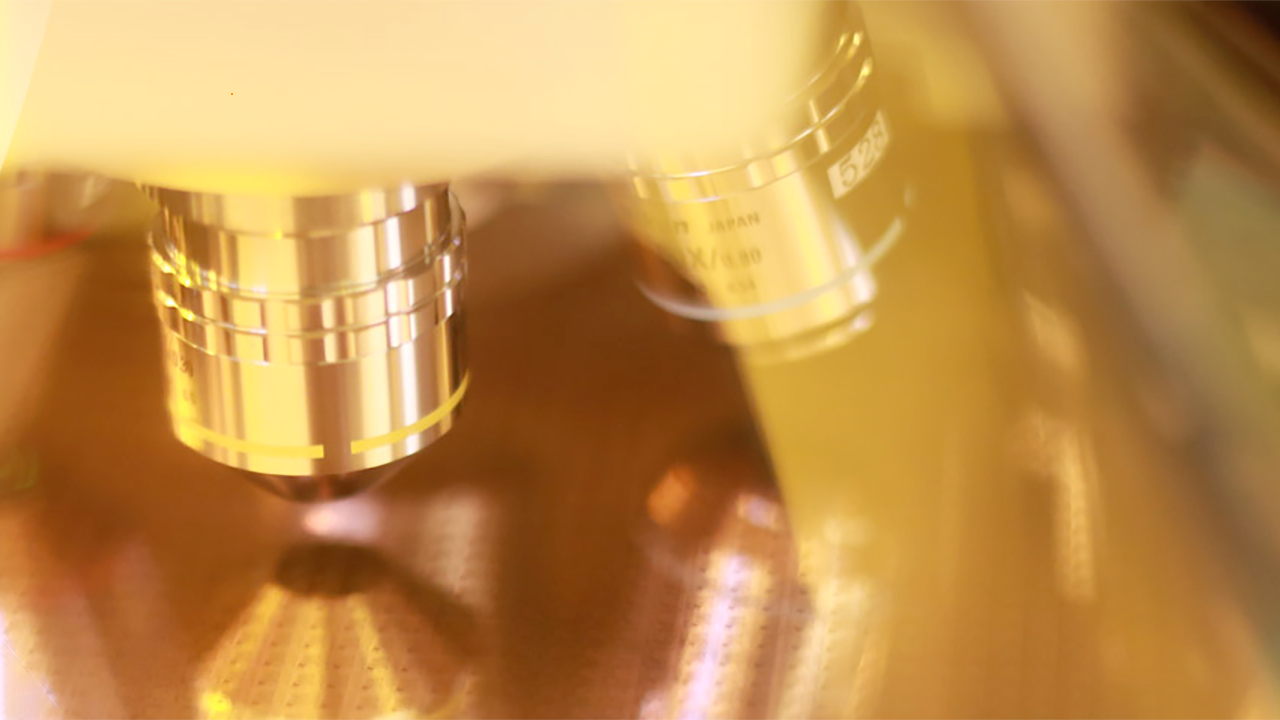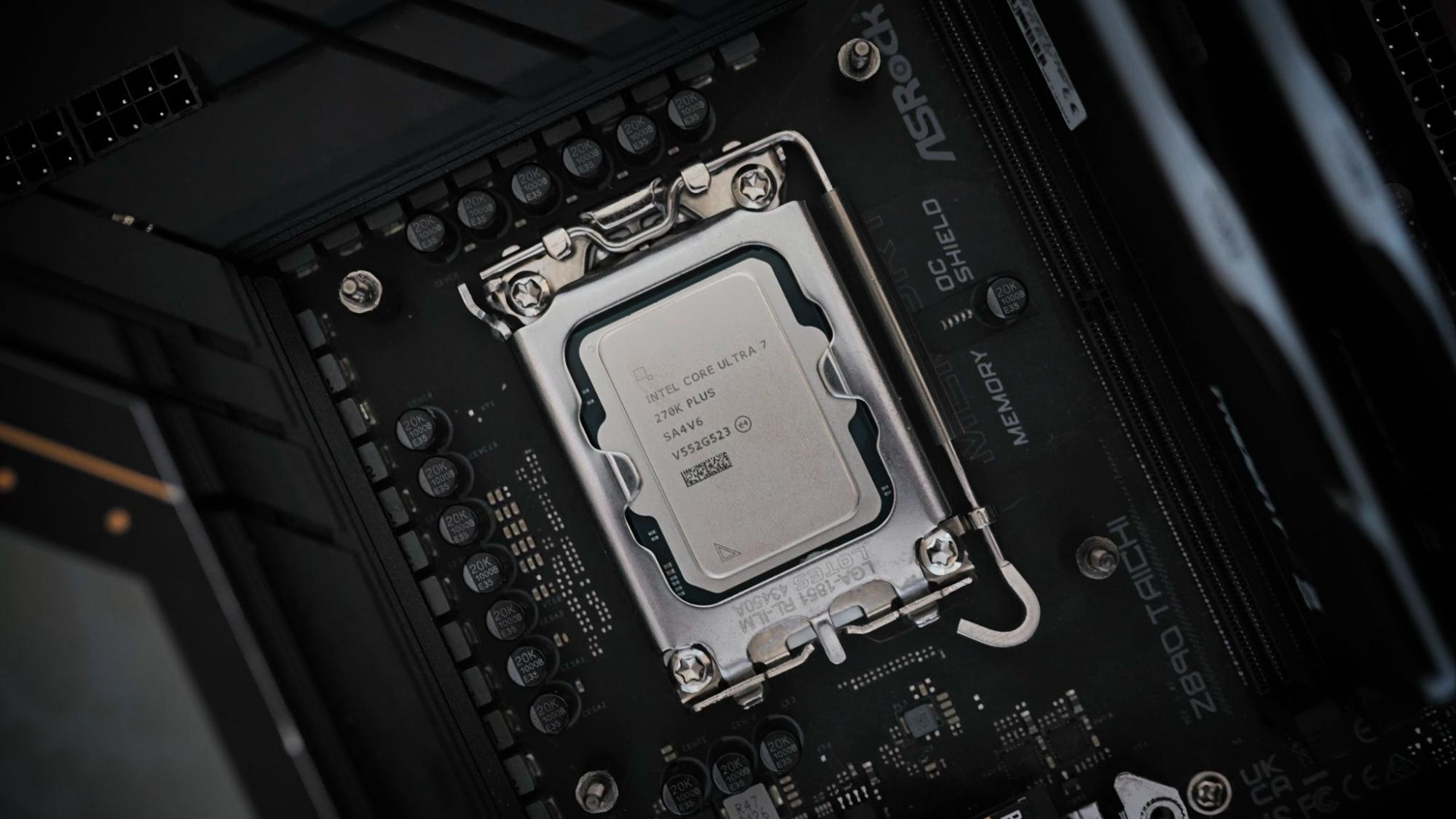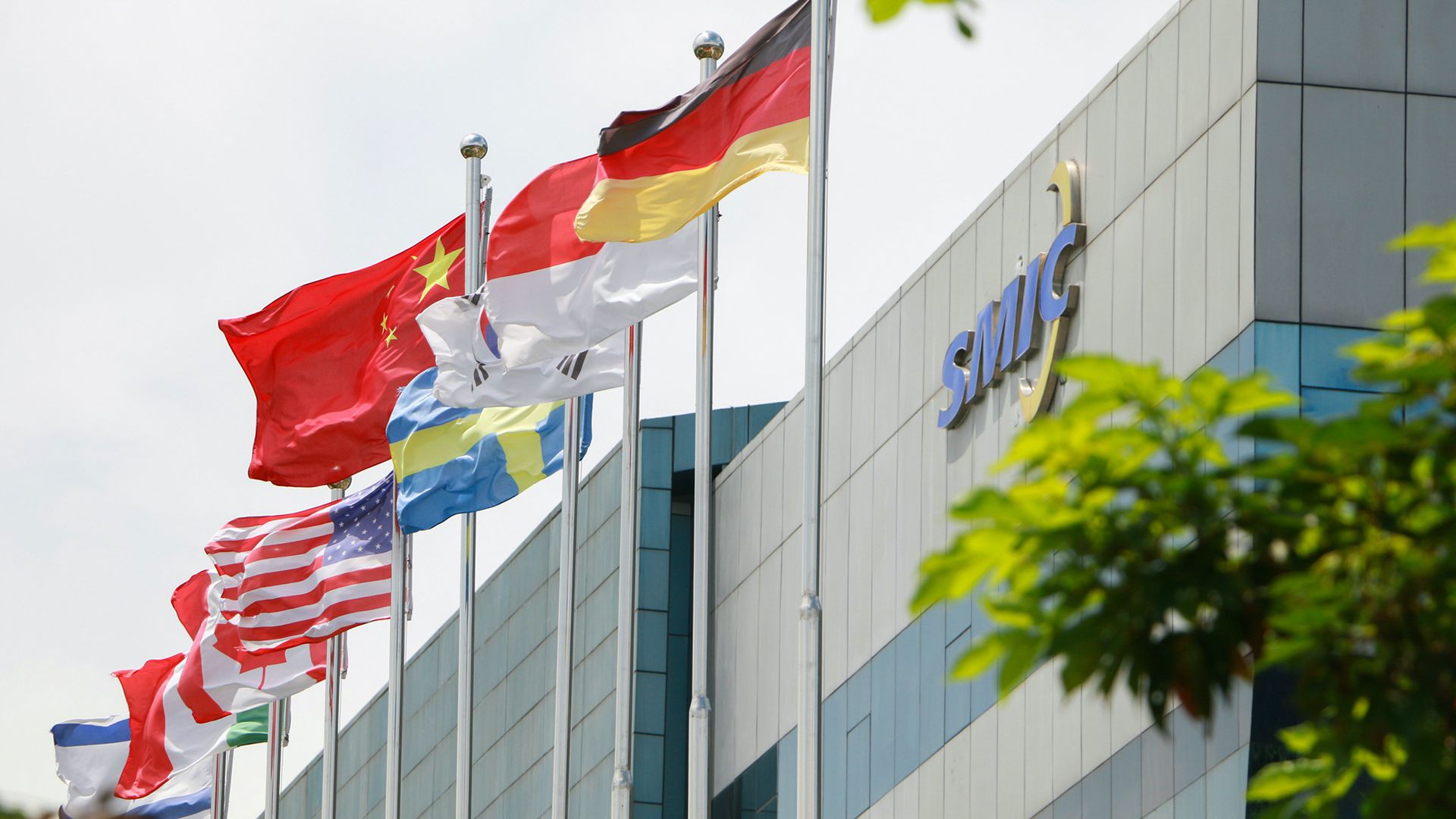
SMIC pumps out 7nm chips using DUV tools meant for older fabs—over 100,000 wafers a month, whispers say, fueling Huawei’s AI push.
And here’s the thunderclap: a bipartisan pack of US senators just dropped the MATCH Act, a bill that slams the door on exporting deep ultraviolet (DUV) chipmaking and etching tools to China’s heavy hitters like Huawei, SMIC, CXMT, YMTC, and Hua Hong. Picture this — it’s like yanking the oxygen mask off a dragon mid-flight, watching its silicon wings sputter.
Look, AI isn’t just software fairy dust anymore. It’s a platform shift, built on mountains of specialized silicon. Without cutting-edge fabs, China’s AI dreams? They flicker out. This ban doesn’t mess around; it shifts from policing individual factories to blacklisting entire companies, no more ‘oops, we shipped to the old plant but it wandered to the 5nm line.’
“Certain entities, including [CXMT, Hua Hong/HLMC, Huawei, SMIC, and YMTC] are engaged in efforts to produce advanced-node integrated circuits that are especially crucial for the Military-Civil Fusion efforts of the People’s Republic of China and warrant comprehensive export controls…”
That’s straight from the proposal — cold, precise, and aimed at the heart of Beijing’s tech-military mashup.
Why DUV Tools Are the Silicon Lifeblood
DUV lithography? Think of it as the master sculptor carving transistors smaller than viruses. ASML’s Twinscan beasts — the NXT:1950i, upgradable to 5nm monsters — they’re the gold standard. Right now, US rules let these ship to China fabs as long as they’re ‘for 14nm or older.’ But enforcement? A joke. Chinese firms nod, sign papers, then shuffle tools to shiny new lines cranking N+1, N+2 nodes at 7nm-ish.
Audits? Forget it — Beijing doesn’t roll out the red carpet for Uncle Sam. So tools vanish into the night, reappearing in Huawei’s Kirin factories or YMTC’s NAND empires. The MATCH Act flips the script: company-level bans. SMIC wants an etcher for its dusty 28nm plant? Nope. Affiliation rules catch subsidiaries too. It’s hybrid — fabs still watched, but owners now in the crosshairs.
Boom. No more shell game.
This one’s short because the genius is in the simplicity.
Will the MATCH Act Force Global Lockstep?
But wait — ASML’s Dutch, etching tools from Tokyo Electron or Lam Research (US roots). The bill’s killer app: arm-twisting allies. Netherlands, Japan, South Korea, Taiwan — get in line, or face extraterritorial wrath. Tools with even a whisper of US tech? Blocked. Servicing? Forget annual tune-ups; those machines grind to dust without them.
Here’s my unique spin, one you won’t find in the original: this echoes the 1980s CoCom export controls that starved the Soviets of Cray supercomputers, delaying their tech by decades. Back then, it bought the West time to lap the field. Today? It could buy us years in the AI arms race, letting Nvidia and TSMC pull further ahead while China scrambles for homegrown alternatives. Bold prediction: by 2027, expect Beijing’s ‘EUV breakthroughs’ — forced innovation, wild west R&D, but riddled with yields 30% below par.
Allies might balk — Dutch GDP ties to ASML exports — but US use is ironclad. Remember Huawei’s 5G choke? Same playbook.
Skeptical? Sure, black markets hum — one-off smuggling, shady intermediaries. But the Act plugs those: controls chain to end-use, reexports, servicing. Route through Vietnam? Caught. Your tools die slow, unserviced. Reliable supply? Vaporized.
Can China Really Be Stopped?
China’s not asleep. They’ve hoarded tools, built stockpiles — etching gear enough for years, insiders claim. Domestic players like Naura Tech eye deposition thrones. But here’s the 75% escape hatch: if China hits 75% self-sufficiency in a tool type (etching, say), bans lift. Smart calibration — keep pressure where it hurts, ease off elsewhere.
Yet wonder this: AI chips demand perfection. SMIC’s 7nm? Heroic, but power-hungry, yields meh. Without DUV inflows, scaling to 5nm for next-gen LLMs? Brutal. Imagine Grok or GPT-4o equivalents wheezing on subpar silicon — that’s China’s horizon.
Energy surges here. We’re witnessing a fab war that makes Cold War proxy fights look quaint. US lawmakers — bipartisan, no less — betting big on AI supremacy. Corporate hype from Big Tech cheers quietly; this shores their moats.
Critique time: Tom’s Hardware spins it neutral, but smells PR polish — ‘calibration mechanism’ downplays the hammer. It’s a chokehold, calibrated or not.
And the ripple? Global chip prices spike short-term, but long-game, West wins the platform shift.
🧬 Related Insights
- Read more: LlamaAgents Builder: No-Code Agents or Beta Bait?
- Read more: AI’s Robbing Kids of Brainpower, Teachers Say – And Government’s All In
Frequently Asked Questions
What is the MATCH Act?
Bipartisan US bill banning DUV chip tools and etchers to China firms like SMIC, Huawei—shifts to company bans, closes fab loopholes, forces ally alignment.
Will MATCH Act stop China’s AI chips?
Not overnight—stockpiles exist—but kills reliable access, forces lower yields, buys West years in AI hardware race.
Can China bypass US chip export bans?
Smuggling persists small-scale, but Act targets intermediaries, servicing—making sustained fab builds impossible.