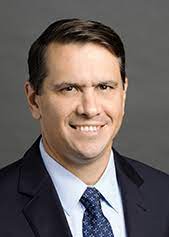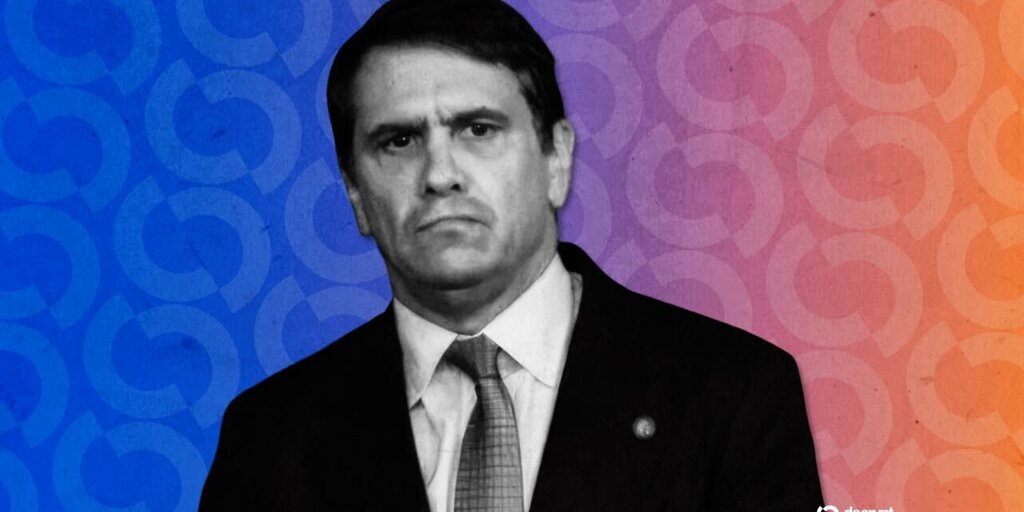
Todd Blanche sat down at the Department of Justice last Thursday, promoted from deputy to the top job after Pam Bondi’s abrupt firing. He’s got Bitcoin in his portfolio. He’s pushed to dismantle the DOJ’s crypto enforcement unit. He even told federal prosecutors to ease up on exchanges and mixing services. So why are crypto developers still landing in prison?
That’s the question eating at industry advocates right now—and it gets at something deeper than just one man’s contradictions. Blanche’s tenure as deputy attorney general has created a schizophrenic DOJ crypto policy that talks reform while swinging prosecutorial hammers. For a sector that’s been bracing for regulatory clarity under Trump, this is not the relief they expected.
The Crypto Investor Who Shut Down Crypto Enforcement
When Blanche entered government last year, he had serious skin in the game. The man now running federal law enforcement disclosed holdings of $100,000 to $250,000 in Bitcoin, plus $50,000 to $100,000 in Ethereum, along with smaller positions in Solana, Cardano, Polygon, and others—all held through Coinbase. Then, in an ethics filing, he transferred those assets to his adult children and a grandchild. (Whether that move actually distances him from crypto interests is, let’s say, an open question.)
Within weeks of taking the deputy AG role, Blanche did something concrete: he disbanded the DOJ’s dedicated crypto enforcement team. He also signaled that federal prosecutors should back off crypto exchanges and mixing services. This wasn’t subtle positioning—it was a structural dismantling of the apparatus the prior administration had built to wage war on digital assets.
“The prior Administration used the Justice Department to pursue a reckless strategy of regulation by prosecution, which was ill conceived and poorly executed,” Blanche said at the time.
Crypto industry leaders nodded in recognition. Here was someone who actually understood the problem. A top DOJ official later told crypto policy leaders that the Trump administration wouldn’t charge software developers with the unlicensed money transmitter crime—a charge that had become the blunt instrument for prosecuting privacy tool builders. The relief was palpable. For about five minutes.
When Reform Collides With Reality
Then reality hit. Hard.
Last fall, under Blanche’s direct leadership as deputy AG, two Bitcoin privacy software developers got sent to prison for operating an illegal money transmitter. The very charge the DOJ supposedly wasn’t going to use anymore. The very charge Blanche had signaled would be retired.
And it didn’t stop there. When the DOJ tried Roman Storm—an Ethereum developer who built similar privacy software—a Manhattan jury convicted him of the money transmitter charge, then deadlocked on two additional counts. Under Blanche and Bondi’s leadership, federal prosecutors moved to retry him on those hung counts. This wasn’t prosecutorial inertia. This was active pursuit, deliberate and sustained.
So what we have is this: a deputy attorney general who dismantled crypto enforcement infrastructure while simultaneously overseeing some of the most aggressive crypto developer prosecutions in recent memory. It’s not quite hypocrisy. It’s worse. It’s incoherence.
Why This Matters More Than Blanche’s Bitcoin Holdings
The crypto industry’s real problem isn’t that Blanche owns digital assets—that’s almost irrelevant. The problem is institutional. The DOJ under his leadership has created a policy environment where the top leadership says one thing (“we’re not prosecution-happy”) while field prosecutors do another (“we’re going to retry this developer until we get the conviction we want”).
Peter Van Valkenburgh, executive director of the Coin Center policy think tank, captured the vertigo: the Trump DOJ’s combination of pro-crypto rhetoric and continued developer prosecutions has left the industry in “a very bad state.” That’s the politest way possible to say the department has become unpredictable and contradictory.
Now Blanche is at the very top. Trump suggested the promotion might be temporary, a performance test. But even a temporary appointment to lead the DOJ carries immense power. Blanche can reshape prosecutorial priorities, redirect resources, issue guidance to U.S. attorneys across the country. He could actually enforce the pro-crypto statements he made as deputy. Or he could do nothing and let the machine keep grinding.
The Pardon Question Hanging Over Everything
There’s one variable that could cut through this mess: presidential pardons. Back in December, Trump said he would “look at” pardons for the crypto developers his DOJ convicted. None have materialized. The question isn’t rhetorical anymore—it’s operational. Does Trump’s new AG push for those pardons? Or do they fade into the background while the DOJ’s actual enforcement apparatus keeps doing what it’s been doing?
If Blanche genuinely believes the prior administration’s approach was “reckless” and “ill conceived,” there’s one way to prove it: stop executing that strategy. Recommend pardons. Direct prosecutors to stand down. Convert the rhetoric into actual policy.
But if his promotion to the top job doesn’t change anything—if the prosecutions continue, if the retries move forward, if crypto developers keep going to prison—then the crypto community will have learned something crucial: Blanche’s pro-crypto positioning was reform theater, not reform.
The architectural shift that matters isn’t whether the DOJ’s leadership likes Bitcoin. It’s whether the institution’s behavior changes. Right now, Blanche has the power to make that happen. The industry is watching to see if he actually will.
🧬 Related Insights
- Read more: Drift’s $280M Exploit Shows Why Onchain Negotiation With Hackers Is Becoming Standard Practice
- Read more: Why Wall Street’s Wealth Gap Is Creating a $100B Opportunity for Gen Z Founders
Frequently Asked Questions
Does Todd Blanche still own cryptocurrency? Blanche disclosed transferring his crypto holdings to adult children and a grandchild in ethics filings, though the substance of that arrangement depends on how independent those transfers actually are. He no longer formally owns the assets.
Will Trump pardon the crypto developers prosecuted by his DOJ? Trump said in December he would “look at” pardons, but none have been granted so far. Whether Blanche as AG will advocate for those pardons remains unclear.
How can the DOJ say it won’t prosecute crypto developers while still prosecuting them? The contradiction stems from institutional fragmentation—top leadership signals one direction while U.S. attorneys and field prosecutors continue existing cases and strategies, especially when cases are already in trial.