Look, in the endless parade of productive programmer manifestos, you’d expect some killer app or AI sidekick to save the day. Silicon Valley’s been peddling that for years: tools promising to obliterate bugs, autocomplete your soul, make you code like a caffeinated god. But here’s this framework from a battle-tested coder, stripping it back to the stone age stuff we’ve all heard a million times. Sleep. Walks. Quiet desks. And damn if it doesn’t flip the script—because ignoring the hype machine, it might just work.
And yet. We’ve been here before.
Remember the Hacker Ethos Before Energy Drinks Ruined It?
Back in the ’90s, when I first pounded keys in garages-turned-startups, productive programmers weren’t mainlining Red Bull or staring at dashboards. They hacked all-nighters in quiet basements, fueled by decent sleep and the kind of focus that comes from not having your phone buzz every five seconds. This framework echoes that—physical state first, then environment, then actual work habits. It’s cynical gold: no one’s making billions off your nap schedule.
But let’s dissect it, because PR spin loves to dress up grandma’s advice as revelation.
The original post nails the interplay. You’re golden if body and mind are primed, office is a fortress, and you’re not sabotaging it with scrolls. Screw one up? Productivity craters.
The rich love quiet because they’re trying to work.
— Paul Graham (@paulg) June 15, 2024
Paul Graham gets it. Quiet isn’t a luxury; it’s oxygen for thought. No wonder night owls rule coding—everyone else is snoring or slamming doors. I’ve seen conference rooms turn into idea factories simply because someone killed the AC hum. Total silence? Magic for debugging that gnarly race condition.
Sleep: The Real 10x Multiplier Tech Bros Skip
Sleep. Foundation of it all. Ditch the alarm, wind down early, cool dark room. Nap if you’re dragging—10-30 minutes trumps espresso. Huberman and Bryan Johnson? Yeah, their protocols are solid, but don’t turn it into a cult. I’ve interviewed founders who crashed empires from sleep debt, bragging about 4-hour nights like badges. Guess who burned out first?
Exercise next. Walk between deep blocks, lift a few times weekly. Don’t go CrossFit zealot—overdo it, and you’re sidelined with tweaks. Stretch daily; thoracic opens fixed my desk hunch after decades. Massages? Underrated. Tension’s a silent thief of focus.
Eating smart. No hanger crashes. Hearty breakfast—eggs, avo, sourdough—beats granola fluff. Hydrate constantly; sparkling with citrus keeps it fun.
Loose ends? Nuke ‘em weekends. Schedule real downtime—no screens, just wander or read. Eyes hurting? 20-20-20 rule, basically, plus breaks.
This isn’t rocket science. It’s anti-hype.
But my hot take—and it’s one the original misses: this mirrors the monastic routines of early Unix wizards. Think Ken Thompson, pounding away in Bell Labs’ hush, body tuned like a Stradivarius. No Slack pings, no “agile” meetings. Predict this: in five years, as AI handles boilerplate, the coders who win are the ones owning their biology first. The tool-chasers? They’ll be first out the door.
Why Does a Quiet Desk Beat Your Fancy Standing Setup?
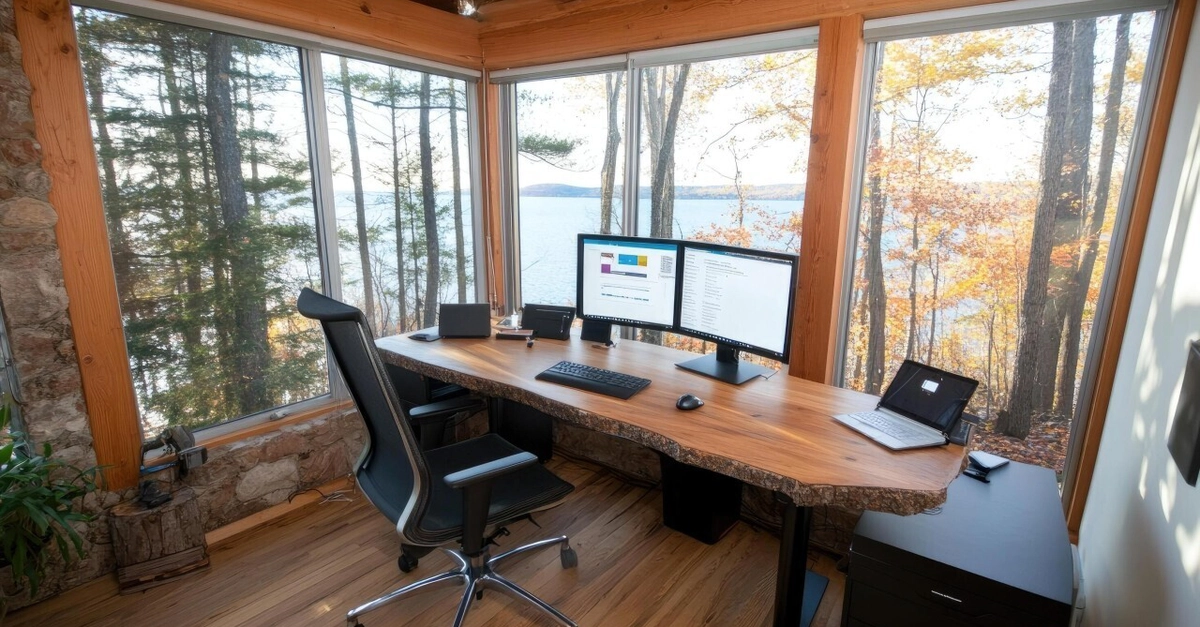
Environment. Desk, chair, monitor—ergonomics matter. I laughed off home offices too, until a proper standing desk ended my back screams. Laptop on couch? Recipe for agony.
Temperature. Lee Kuan Yew called AC civilization’s savior. Hot room? Brain melts. Cool, consistent—productivity soars.
Noise. Libraries over coffee shops. No headphones needed if it’s dead silent.
Here’s the cynicism: who profits from your chaos? Tool vendors love distracted devs buying pomodoro apps. This framework? Free. Boring. Effective.
Is Working Effectively Just Not Watching TikTok?
Last pillar: habits. No distractions mid-flow. It’s obvious, yet we all fail.
Deep work blocks. Walks in between. No social media sabotage.
Chiro if pain nags. Eyes: distance gazes, blink, proper setup.
Skeptical me asks: does this scale? Solo dev, sure. Team lead with meetings? Trickier. But start here—fix your base, then layer tools.
I’ve seen it. Veteran engineers outpace juniors not from gray hair, but from nailing these basics. The rest chase squirrels.
Corporate spin alert. Tech loves “biohacking” this into $500 wearables. Nah. Bed, walks, silence—zero VC funding required.
Will This Framework Make You a Productive Programmer Overnight?
Short answer: no. Consistency’s the grind. Track a week: sleep log, distraction tally. Tweak.
Unique edge? Pair with old-school tools like Vim—minimalist, no bloat. Modern IDEs? Feature overload kills flow.
Bold prediction: as remote work sticks, noisy homes birth a quiet-office rental boom. Libraries 2.0 for coders.
Bottom line. This isn’t sexy. No APIs, no integrations. But in 20 years covering the valley, I’ve learned: sustainable output crushes hype cycles. Try it. Your pull requests will thank you.
🧬 Related Insights
- Read more: WebGPU: The Browser Trick Turning Your Laptop into an AI Beast
- Read more: Inside the Adaptive VR Sandbox: ML That Senses a Child’s Hidden Stress Signals
Frequently Asked Questions
How much sleep does a productive programmer need?
Whatever your body demands without an alarm—usually 7-9 hours. Nap 10-30 mins if daytime drag hits.
Best environment for coding productivity?
Quiet, cool, ergonomic: standing desk, good chair, silence over music. Test a library shift.
Does exercise really boost programming focus?
Absolutely—15-30 min walks between blocks, plus weekly strength. Earns your screen time.