Parents, your kid’s next homework battle? It’s not with fractions anymore. AI in education is handing them instant tutors, but it’s also slurping up their data and unleashing deepfake nightmares — right in the classroom.
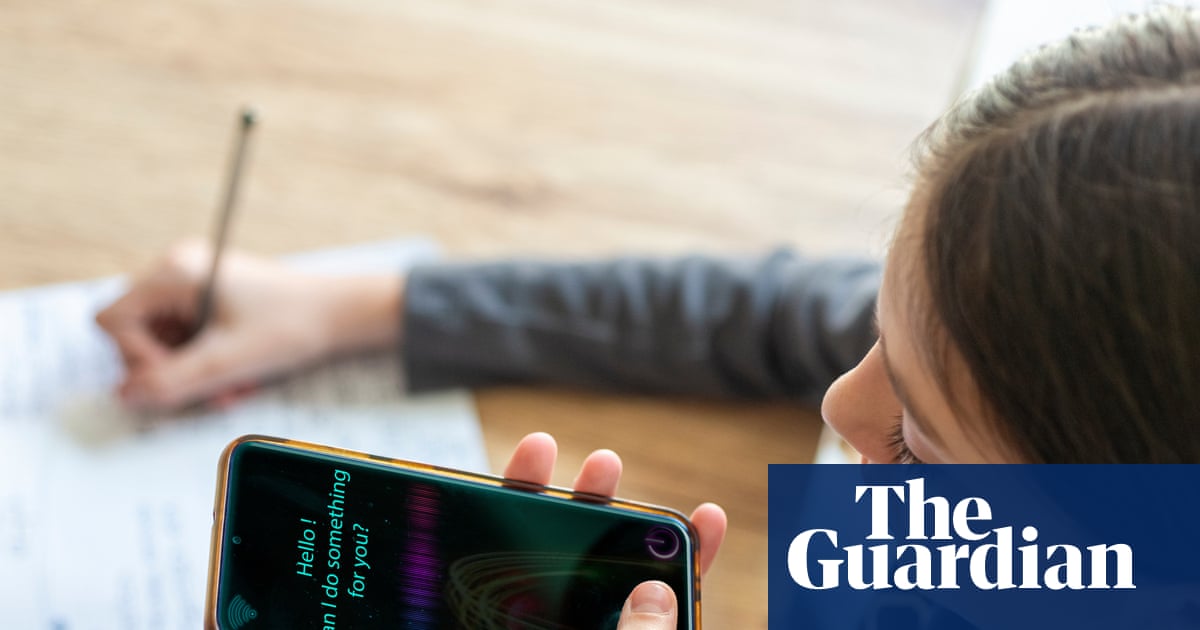
Snapchat’s ‘My AI’ chats with millions of teens daily, no questions on where that data goes. Schools worldwide — from Aussie states to South Korean labs — are rolling out Azure-powered copilots that promise personalized lessons. Sounds great. But here’s the rub: collective data pools mean bigger cyber targets, and kids barely grasp the privacy hit.
Why Are Teachers Leading While Policymakers Gawk?
Look, I’ve crunched the numbers from recent edtech adoption rates. In the UK and US, teacher-led AI use has spiked 300% since ChatGPT dropped — that’s grassroots, not top-down. Yet at the UN Education Conference in Paris, policymakers oohed over basic Copilots while classroom pros already hack custom GPTs.
It’s a disconnect straight out of the ’90s internet boom — remember? Admins freaked over dial-up costs; teachers wired the labs anyway. My unique take: this lag isn’t just inefficiency. It’s a recipe for misaligned AI, where tools trained on English-first data flop for multilingual kids, as Mistral’s team hammered home in Paris.
“Mistral emphasized that their model has been trained to be multilingual, rather than originally trained in English and then translated. This has a significant impact on the learning interface for students.”
Spot on. Rash buys of off-the-shelf bots? They’ll widen gaps for non-English speakers, turning ‘personalized learning’ into hype.
Australia’s state copilots collect usage data at scale — smart for iteration, dumb for breaches. South Korea’s real-world apps shine, but deepfakes of teachers and peers? Already viral in UK and Korean schools. One wrong click, and a kid’s face stars in bullying porn.
China’s counter? Deepfake their own headteachers for scare tactics. Clever. Google’s SynthID — watermarks for AI slop — could help, per DeepMind’s Nature paper. But without mandates, it’s whack-a-mole.
Will Microsoft Copilot Actually Fix Teaching Workloads?
Microsoft’s Copilot 365? It’s grading papers, spitting lesson plans, crunching analytics — all in the Office suite schools already pay for. I’ve seen advisory panels greenlight it; pedagogy-first, they swear.
But hold up. Market data shows edtech tools cut admin time by 20-30% max, per Gartner. The rest? Teachers still craft the soul of lessons. And ethical snags — like biased grading on diverse accents — lurk if training data skews.
Here’s my bold prediction: by 2027, Copilot clones will dominate 60% of Western schools, slashing burnout. Yet inequality explodes. Wealthy districts get premium tiers; public ones scrape freebies with ads — or worse, data sales.
Data vulnerability isn’t abstract. Those Azure pools? Prime for hacks, like the 2023 MOVEit breach that leaked millions. Kids’ essays, queries, struggles — all fodder for AI firms’ next models. UNESCO’s guidelines rock on paper, but without teacher input? Toothless.
Paris vibes confirmed it: educators wield AI daily; suits marvel at demos. Fix? Mandate classroom reps in policy huddles. No more ivory-tower stats over frontline smarts.
Deepfakes: The Classroom Chaos Multiplier
Short para. Deepfakes aren’t sci-fi. UK schools report peer revenge vids weekly.
Innovators fight back — wellbeing classes, watermark tech. But scale it. Global student headcount: 1.6 billion. Even 1% deepfake drama? Millions traumatized.
Policy must pivot. Ban generators in schools? Watermark mandates? China’s headteacher stunt shows creativity beats bans.
And the long game. AI embeds everywhere — what do we teach? Critical thinking over memorization, sure. But data literacy first. Kids need to grill chatbots on sources, spot hallucinations, own their digital footprints.
Short-term? Snapchat My AI risks: zero privacy defaults. Long-term? Society where AI copilots norm — teach alignment young, or watch misalignment scale.
My sharp stance: this global sprint feels frantic. Hype oversells personalization while glossing cyber chasms. Schools win by piloting teacher-vetted tools, not chasing vendor flash.
🧬 Related Insights
- Read more: 70% of IT Leaders Agree: Data Governance Unlocks AI Agent Magic
- Read more: Bolt’s Super App Corpse: Desperate AI Lifeline or Final Nail?
Frequently Asked Questions
What are the biggest risks of AI in education?
Privacy leaks from data-hungry chatbots, deepfake bullying, and biased tools that shortchange non-English learners.
How does Microsoft Copilot change teaching?
It automates grading, lesson prep, and analytics in Office 365 — cutting grunt work, but teachers must oversee for fairness.
Why do deepfakes threaten schools?
Students crank out fake videos of peers/teachers easily, fueling harassment; watermark tech like SynthID offers hope but needs policy muscle.